SOUTH AFRICA
SOUTH AFRICA THE RAINBOW NATION
Bordered by the Atlantic and Indian Oceans, South Africa is a land of stunning landscapes, rich history, and vibrant cultures. From the arrival of the Dutch at the Cape of Good Hope to the rise of Nelson Mandela, its past is as dramatic as its scenery.
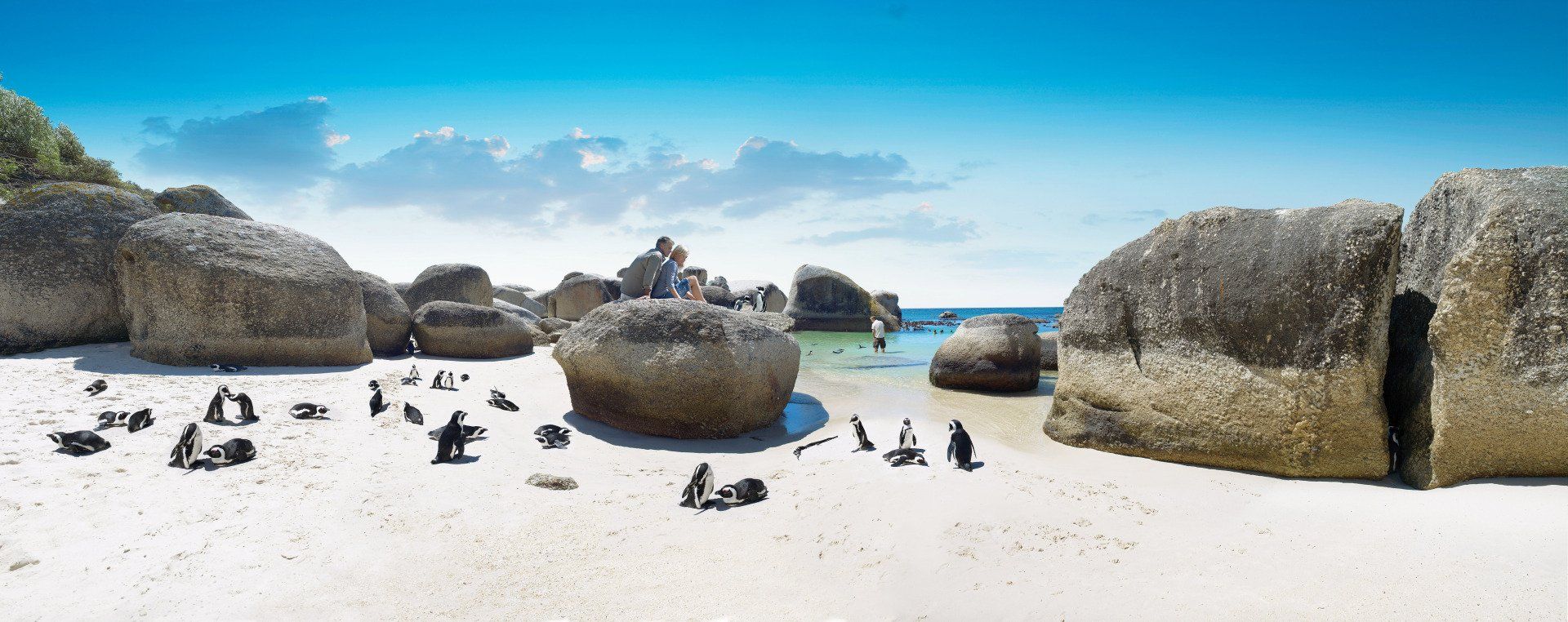
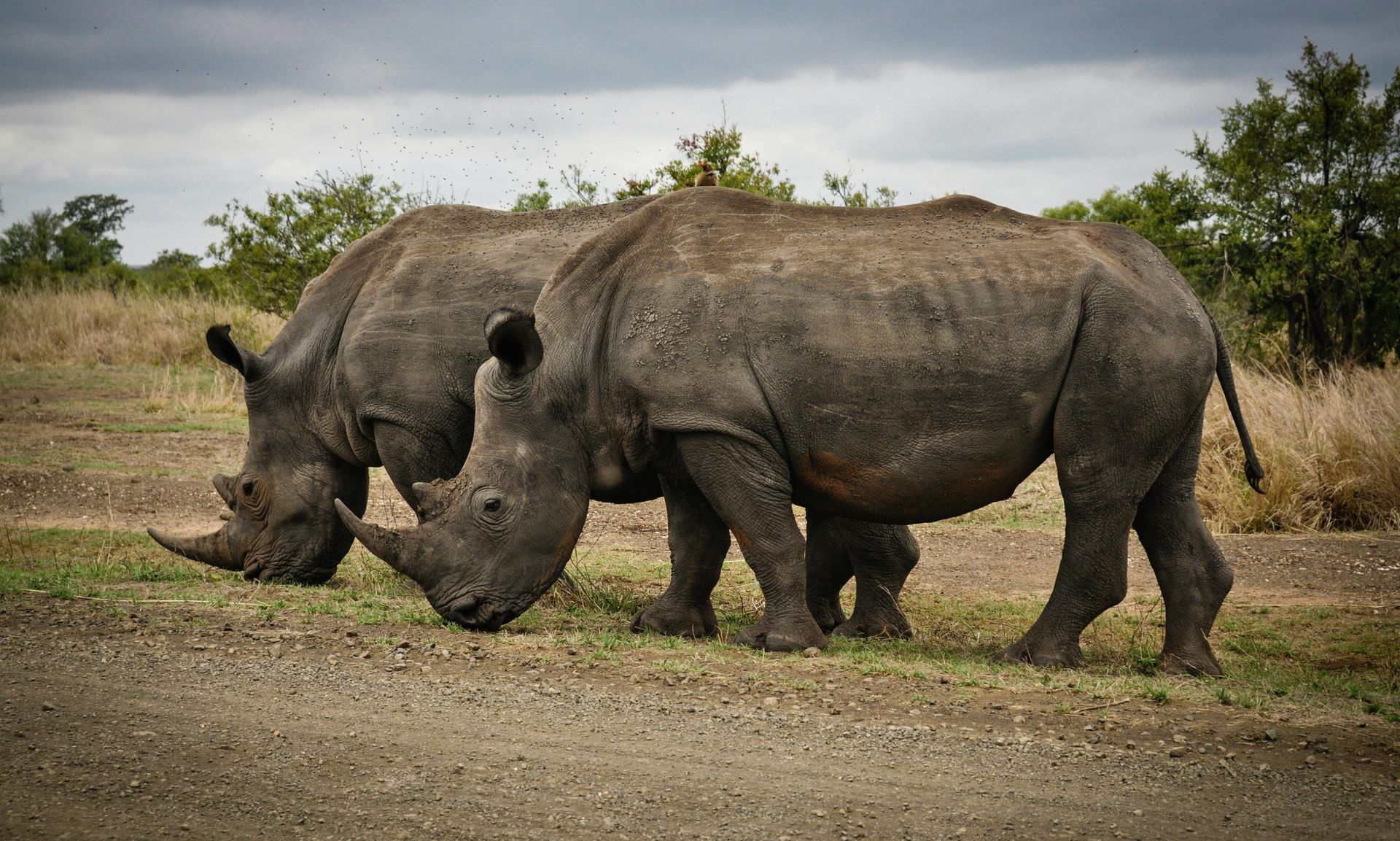
Today, the “Rainbow Nation” is home to 46 million people speaking 11 official languages. With 3,000 km of coastline, majestic mountains, deserts, and national parks teeming with wildlife, South Africa offers unforgettable experiences. Spot lions, elephants, giraffes, whales, penguins, and more, a true paradise for nature and adventure lovers alike.
Slide title
Write your caption hereButton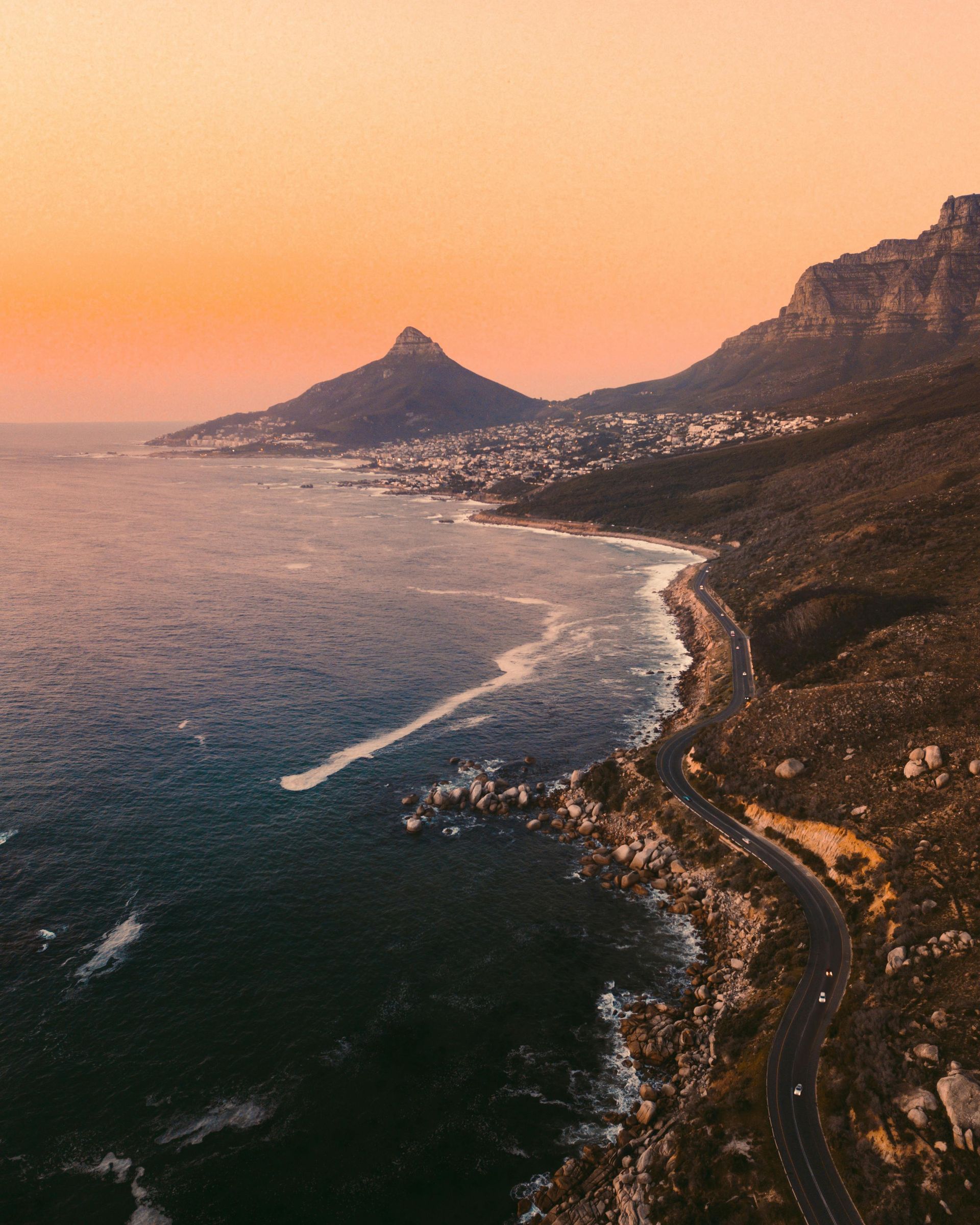
Slide title
Write your caption hereButton
Slide title
Write your caption hereButton
Slide title
Write your caption hereButton
Slide title
Write your caption hereButton
Slide title
Write your caption hereButton
Slide title
Write your caption hereButton
Cape Town & Cape Peninsula
Slide title
Write your caption hereButton
Slide title
Write your caption hereButton
Slide title
Write your caption hereButton
Slide title
Write your caption hereButton
Garden Route
Slide title
Write your caption hereButton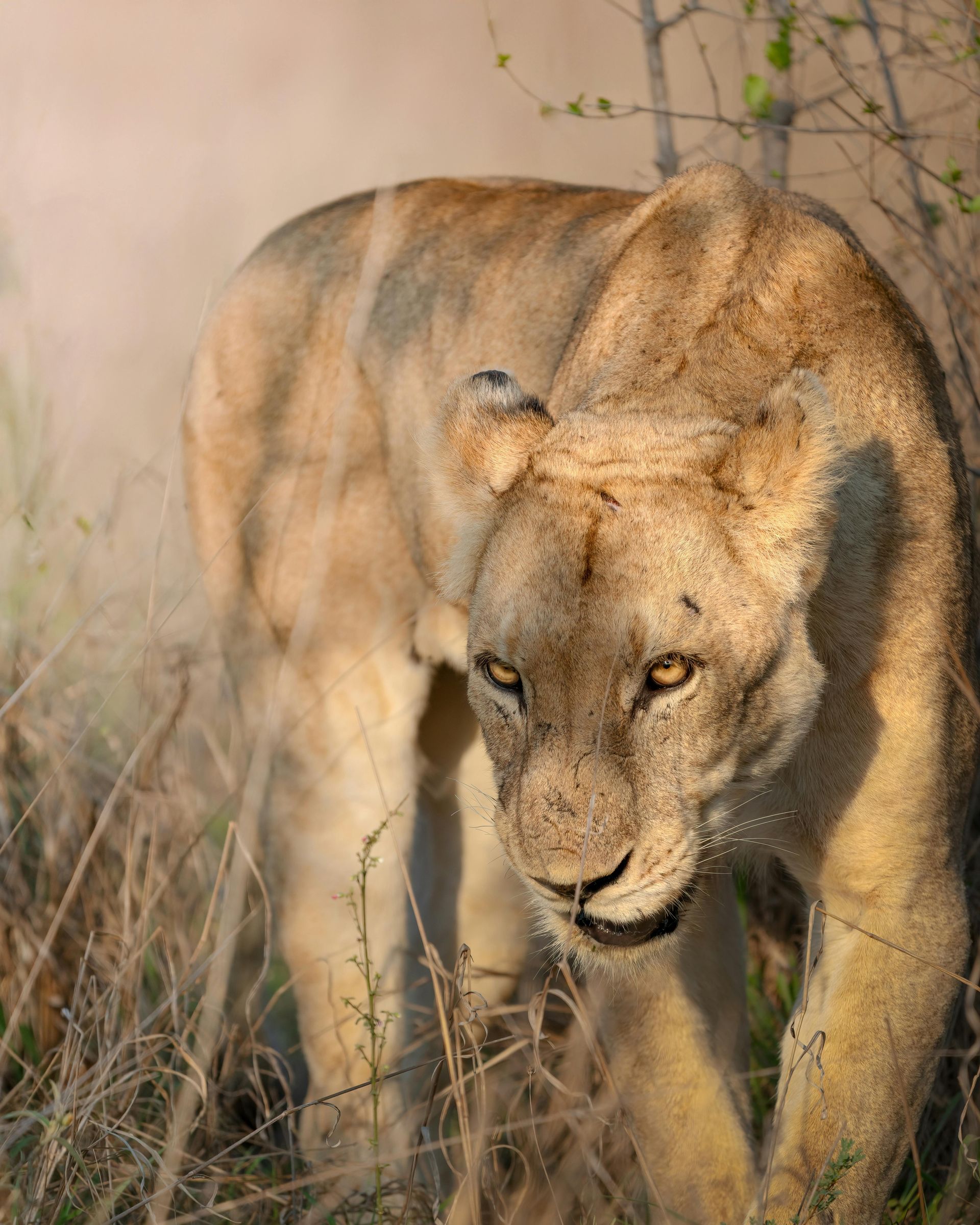
Slide title
Write your caption hereButton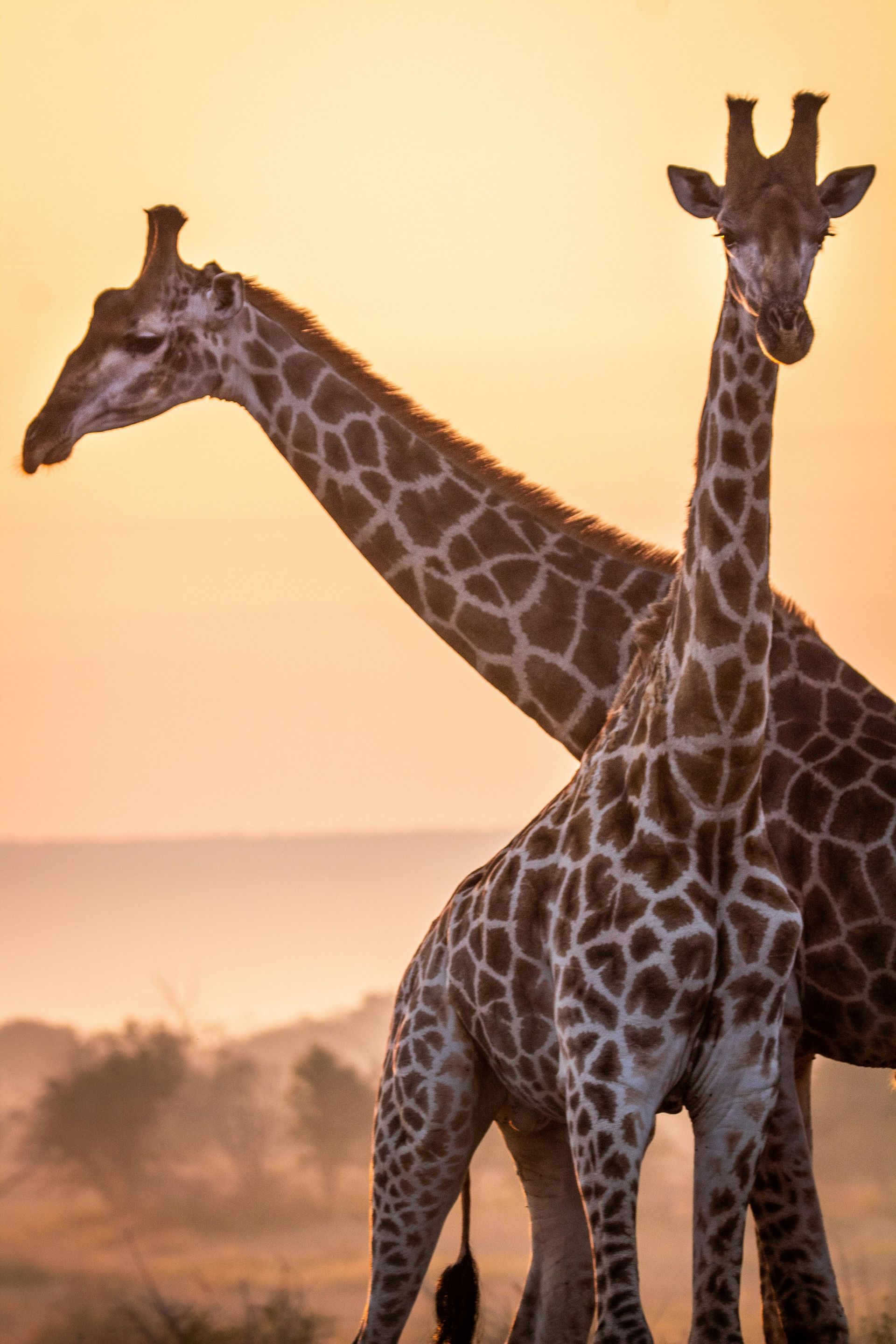
Slide title
Write your caption hereButton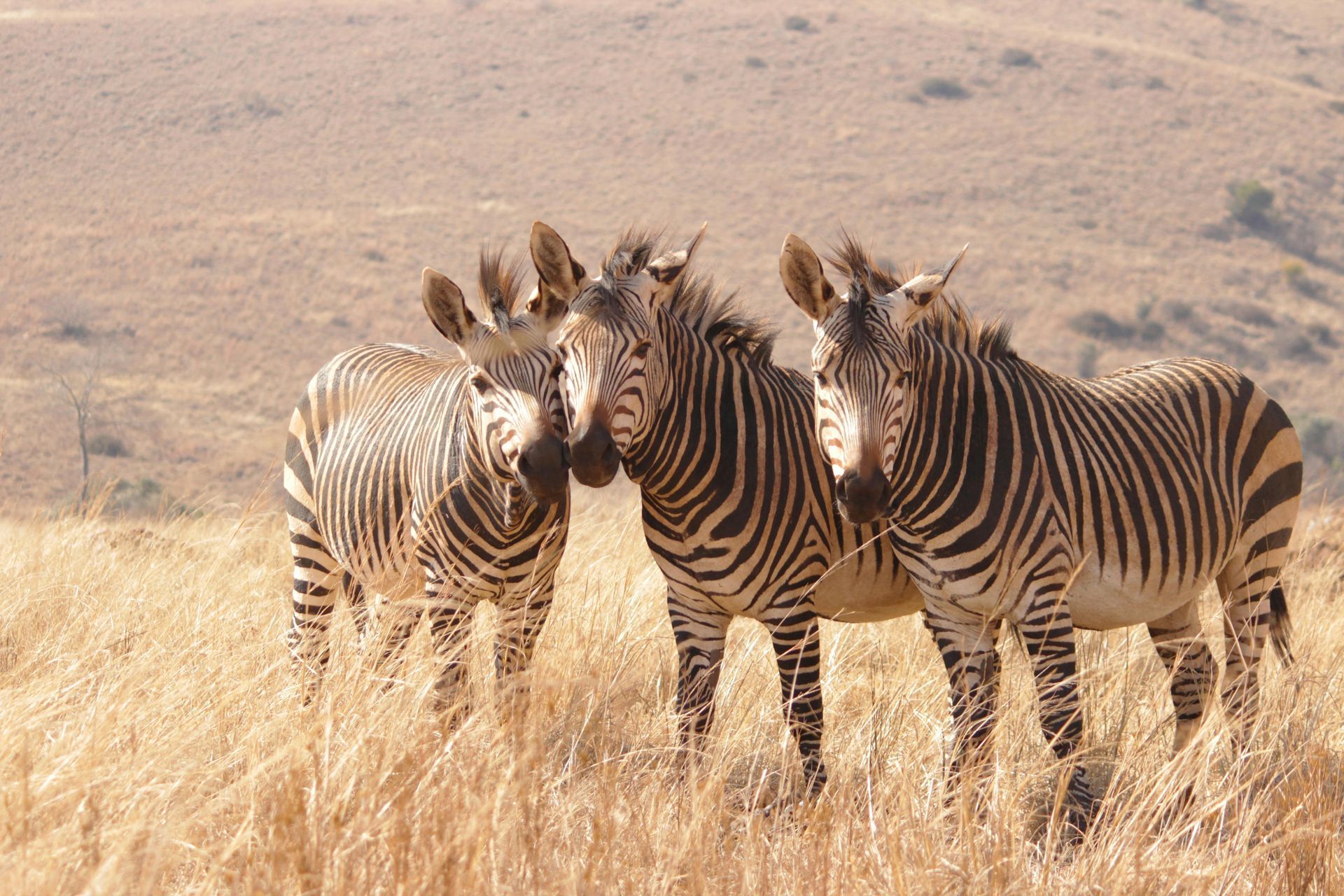
Slide title
Write your caption hereButton
Slide title
Write your caption hereButton
Kruger National Park
Slide title
Write your caption hereButton
Slide title
Write your caption hereButton
Slide title
Write your caption hereButton
Slide title
Write your caption hereButton
Kwazulu-Natal
Slide title
Write your caption hereButton
Slide title
Write your caption hereButton
Slide title
Write your caption hereButton
Slide title
Write your caption hereButton
Slide title
Write your caption hereButton
Slide title
Write your caption hereButton
Slide title
Write your caption hereButton
Mpumalanga & Drakensburg
Slide title
Write your caption hereButton
Slide title
Write your caption hereButton
Slide title
Write your caption hereButton
Slide title
Write your caption hereButton
Madikwe Game Reserve
Slide title
Write your caption hereButton
Slide title
Write your caption hereButton
Slide title
Write your caption hereButton
Slide title
Write your caption hereButton
Slide title
Write your caption hereButton
Waterberg Region
Slide title
Write your caption hereButton
Slide title
Write your caption hereButton
Slide title
Write your caption hereButton
Slide title
Write your caption hereButton
Wild Coast
Slide title
Write your caption hereButton
Slide title
Write your caption hereButton
Slide title
Write your caption hereButton
Slide title
Write your caption hereButton
Slide title
Write your caption hereButton
Gauteng
Itineraries
-
Slide title
Exclusive Return To The Wild
* 12 Nights
View Itinerary -
Slide title
Exclusive Return To The Wild
* 12 Nights
View Itinerary
-
Slide title
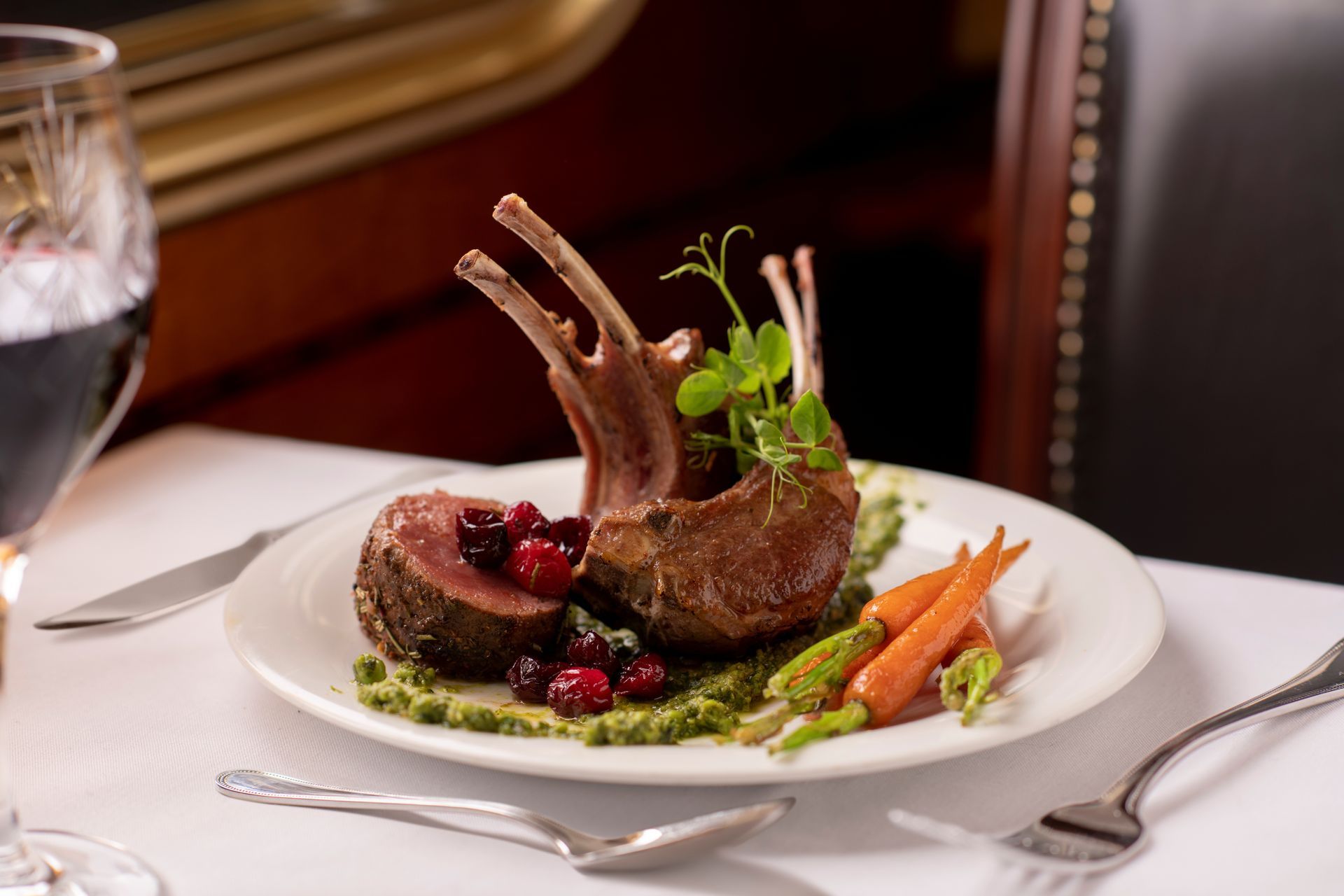
South African Culinary Cuisine Destinations
* 14 Nights
View Itinerary -
Slide title
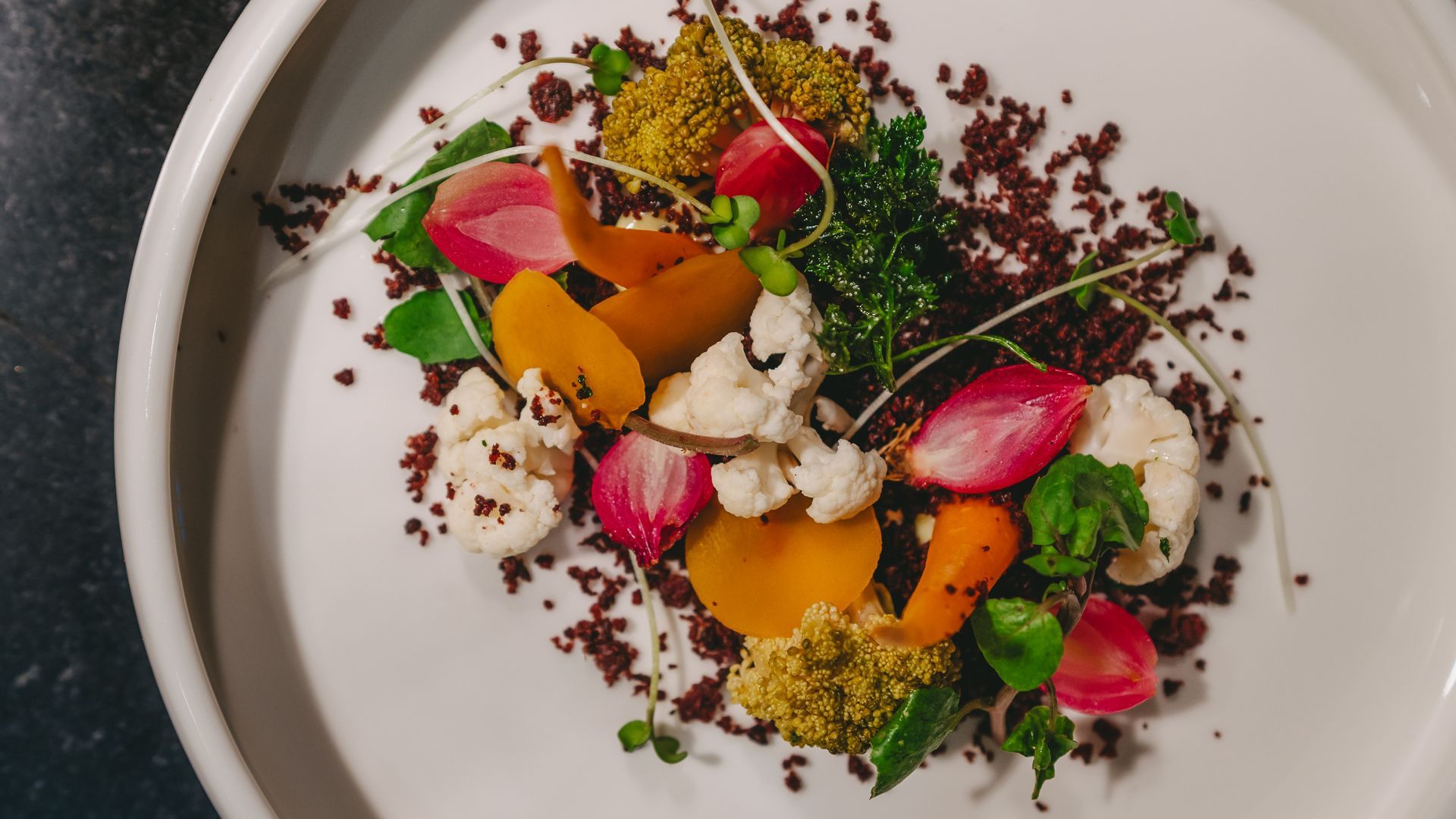
South African Culinary Cuisine Destinations
* 14 Nights
View Itinerary -
Slide title
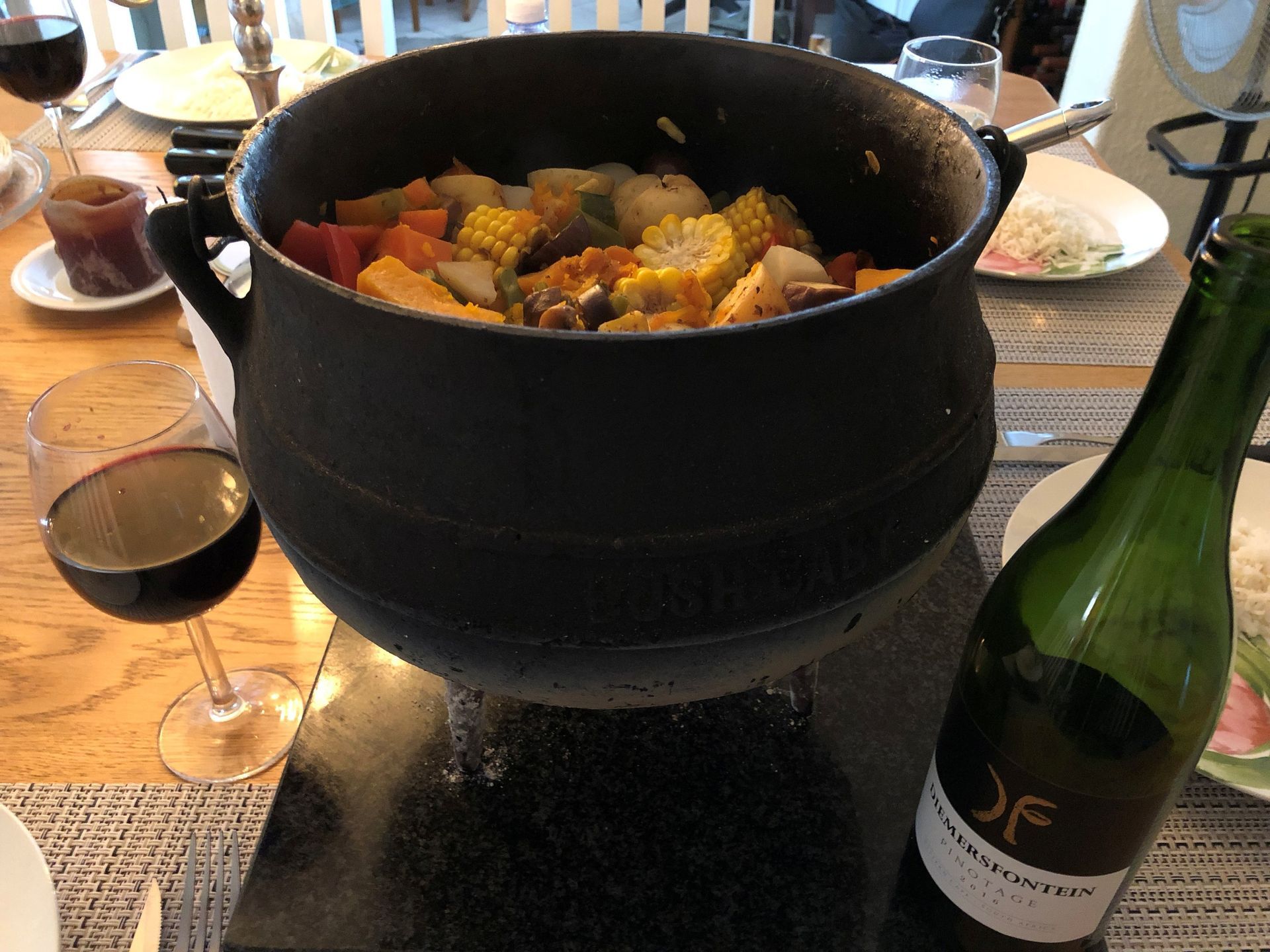
South African Culinary Cuisine Destinations
* 14 Nights
View Itinerary -
Slide title
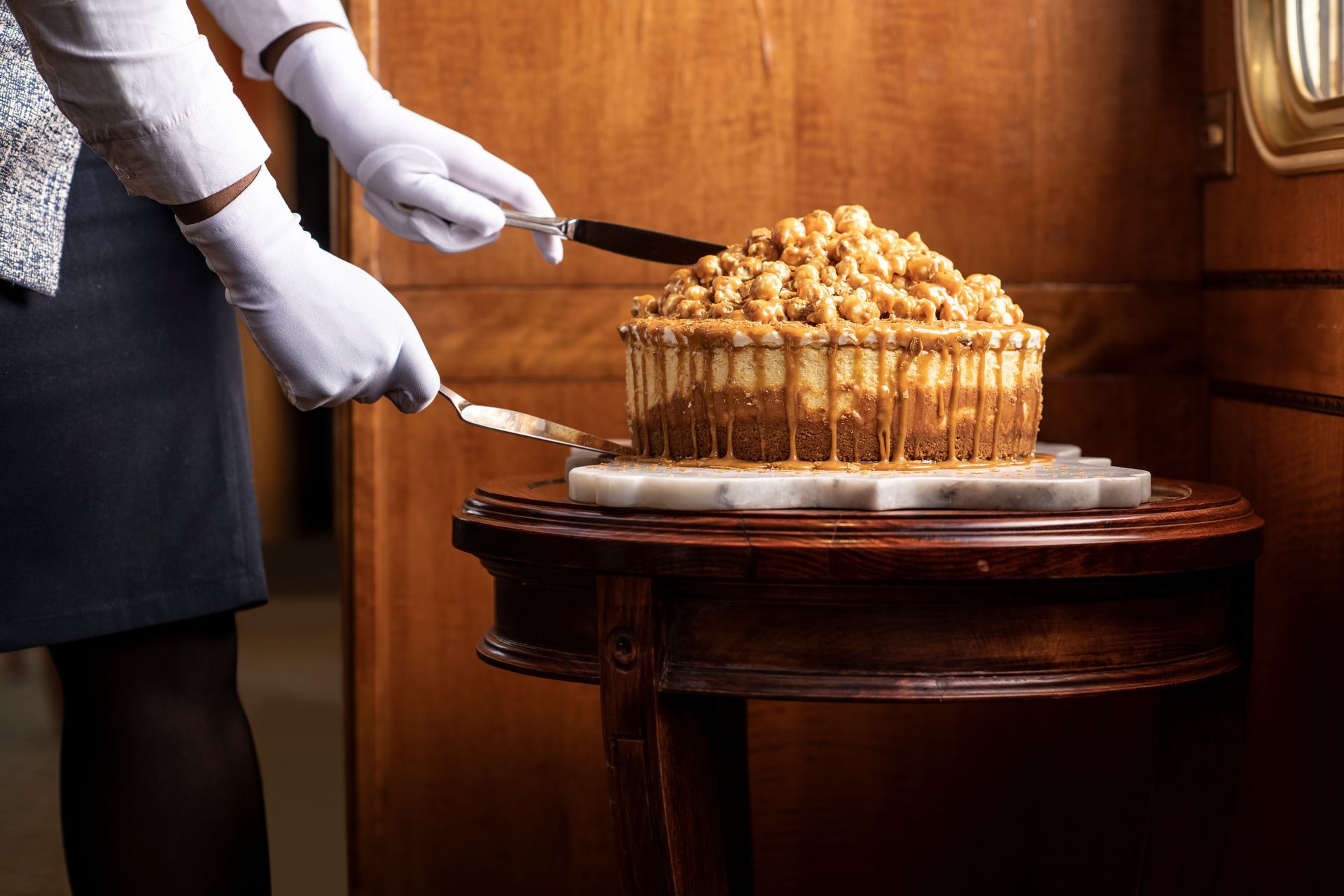
South African Culinary Cuisine Destinations
* 14 Nights
View Itinerary
-
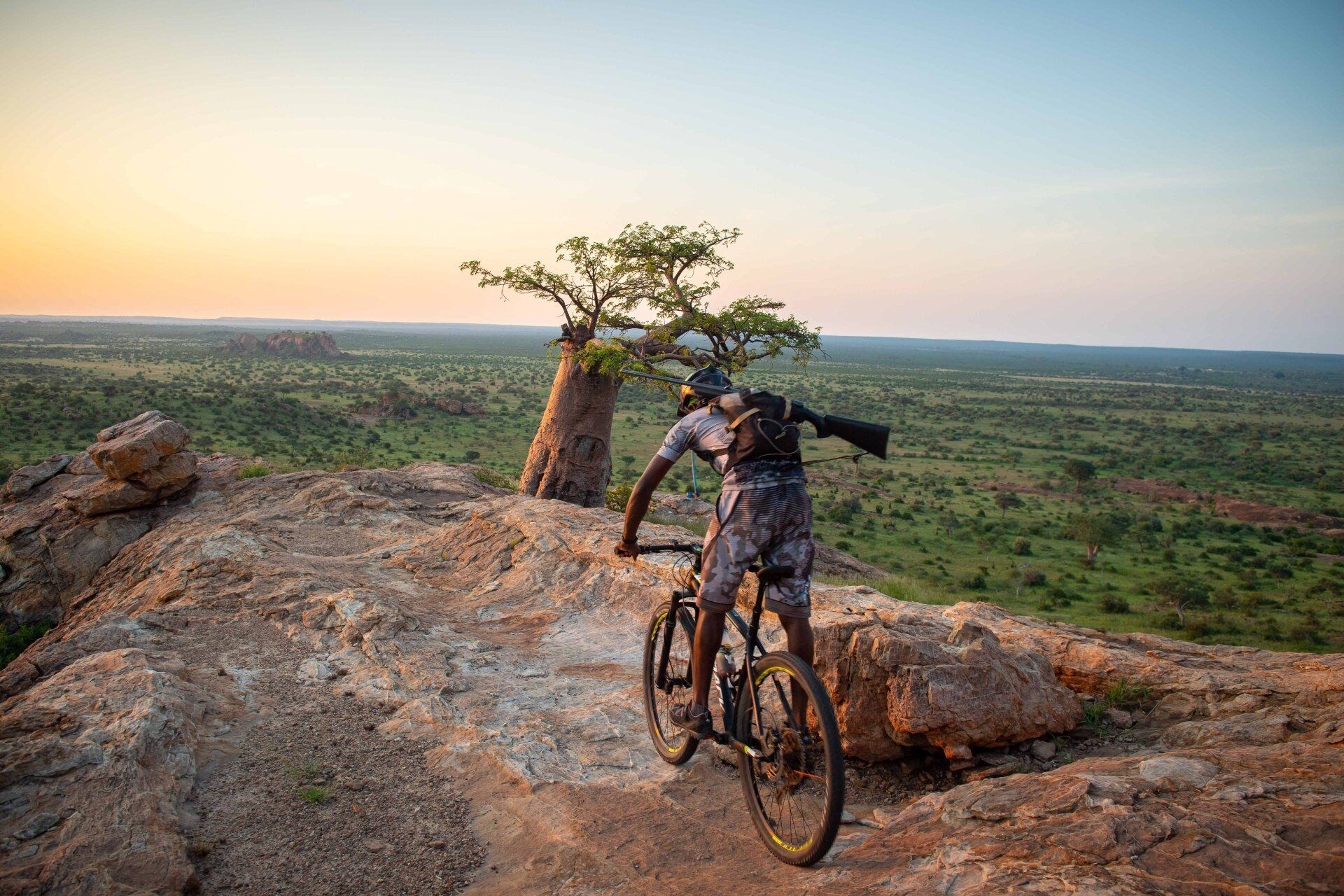
Slide title
NorthWest South Africa and the Botswana Tuli Block
*16 Nights
View Itinerary -
Slide title
Write your caption hereButton
-
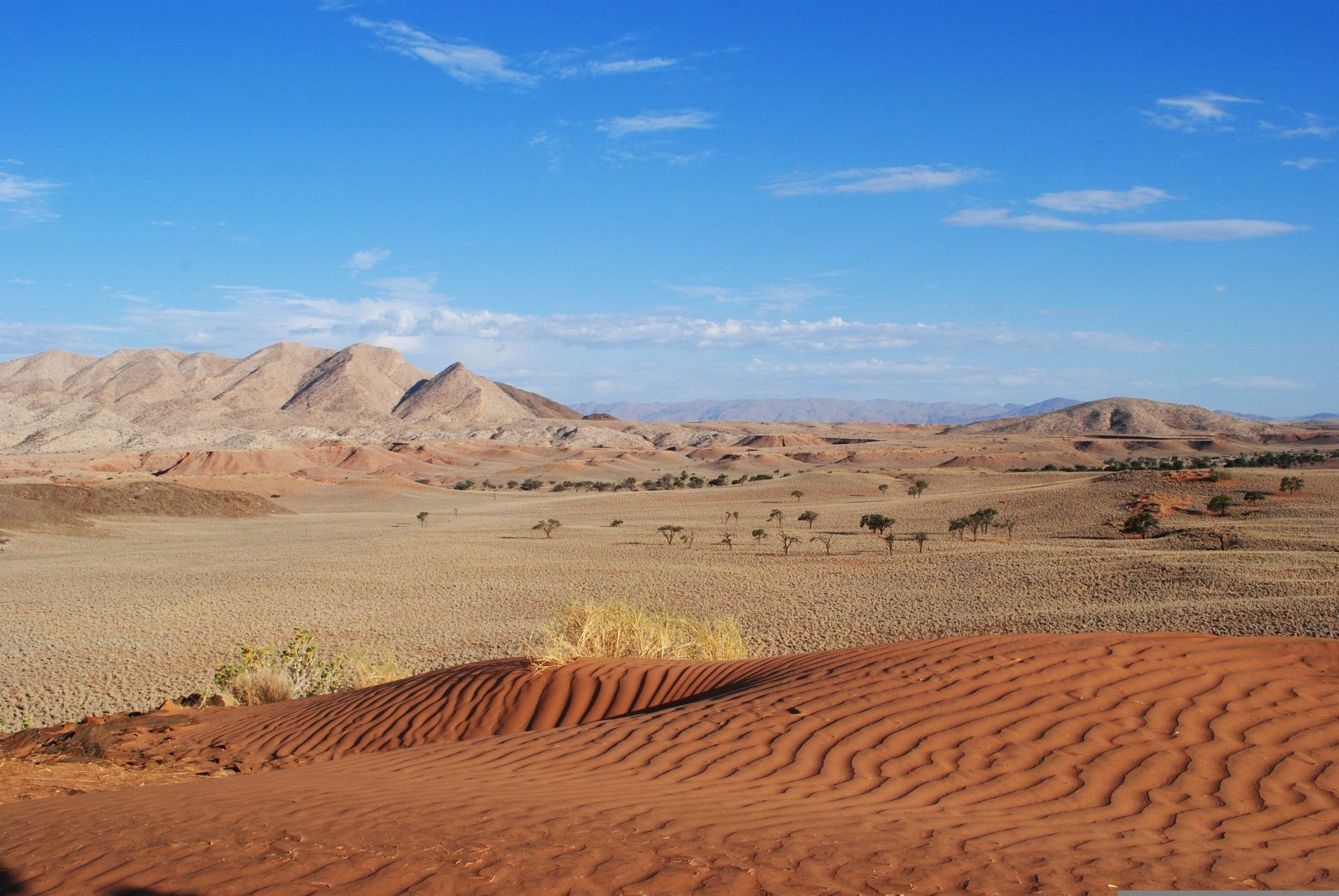
Slide title
South Africa, Namibia and Botswana
* 17 Nights
View Itinerary -
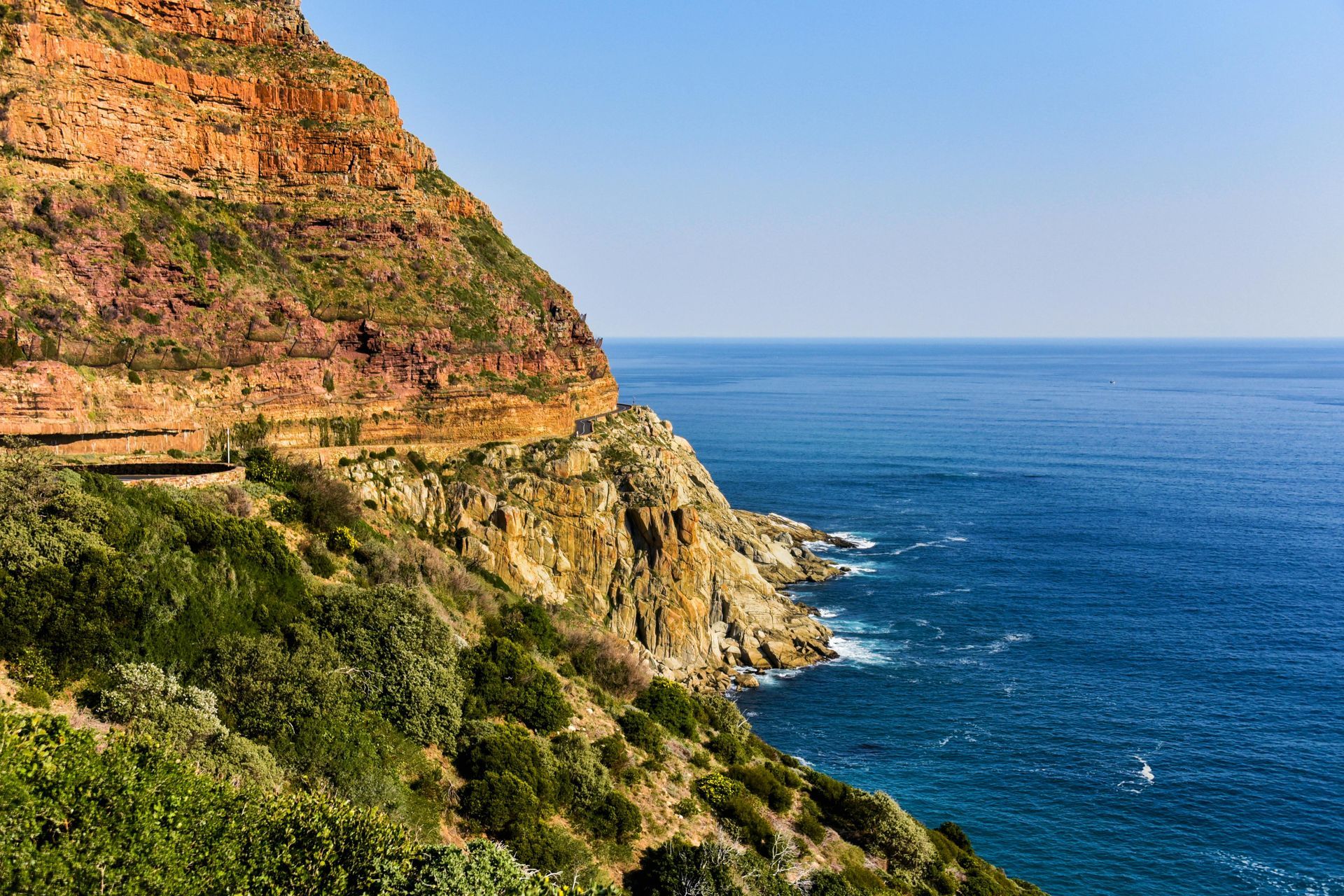
Slide title
South Africa, Namibia and Botswana
* 17 Nights
View Itinerary -
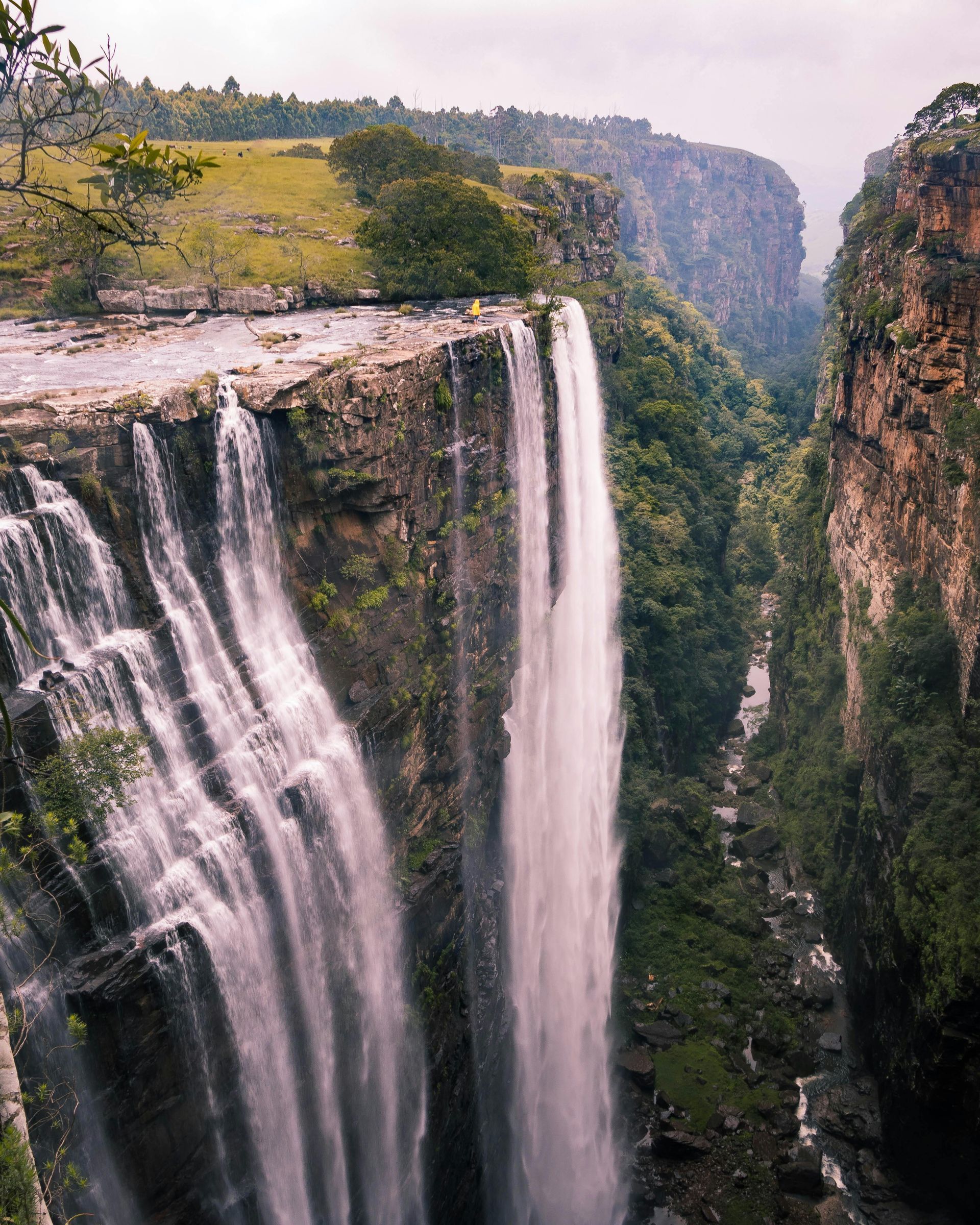
Slide title
South Africa, Namibia and Botswana
* 17 Nights
View Itinerary -
Slide title
South Africa, Namibia and Botswana
* 17 Nights
View Itinerary -
Slide title
South Africa, Namibia and Botswana
* 17 Nights
View Itinerary -
Slide title
South Africa, Namibia and Botswana
* 17 Nights
View Itinerary
GENERAL INFORMATION
-
Visa
European citizen must be in possession of an international passport and a return flight ticket (except when other agreements were obtained by your local South African embassy/consulate). You will be granted a maximum stay of three months in the country. A passport must be at least another 6 months valid on arrival and have at least two blank pages left. The same rules are for most Common Wealth Countries and the United States citizen.
South Africa has introduced the e-visa online system in March 2022, however the system is experiencing a lot of issues (online applications disappear, get no response or are only responded upon to many weeks later.
For more information, please contact your local South African Embassy or consulate.
-
Time
South Africa has the same time as Western Europe during the European summer months. There is a one hour time difference during the European winter. There are no time zones within the country.
-
Customs allowance
Duty-free allowances:
A person under 18 is not entitled to tobacco, cigarettes or drinks allowances. Cigarettes: 200, cigars 20, cigarette or pipe tobacco 250 g, wine: 2 L, spirituous or other alcoholic beverages: 1 L, perfume: 50 ml, toilet water: 250 ml, gifts, souvenirs and all other goods: R3000.
Flat Rate Assessment:
you may elect to pay duty at a flat rate of 20% on goods up to a value of R12.000 over and above your duty free allowances.
-
Tip
Service charge is not included, a tip of 10% is given and 1 – 2 rand at petrol stations. It is also recommended to tip local guides.
-
VAT
VAT can be claimed back at the airport. Keep the payment slips from your purchased goods. The payment slips should show ‘VAT number’, VAT amount paid, the total payment and a short description of the purchased goods (not valid for consumption goods like wine, photo rolls, batteries…). The paperwork can be prepared at the Victoria & Alfred Waterfront in Cape Town (take your passport and flight ticket/e-ticket with you).
Preparing the documents at the Waterfront will safe you much time as the goods only have to be showed at the airport. It is of course also possible to arrange everything at the airport but it can be time consuming during peak season. In case you have a domestic flight before leaving the country, refund can only be done at the international airport where you take your international flight.
-
Population
South Africa has an estimated 54 million people spread out over the 9 provinces. The federal government is based in Cape Town, Pretoria (today Tswane) is the administrative capital and Bloemfontein the juridical capital.
Bordered by two oceans: the Atlantic and the Indian, South Africa is a fascinating country whether one focuses on its history, the diversity of its inhabitants, cultures, or the splendour of its landscape.
The first Dutch sailors set foot at the Cape of Good Hope in April 1652, a first step that would eventually lead to three and a half centuries of conflict and violence, shaping the destiny of the people of South Africa. From the British occupation to the reign of the Great Shaka of the Zulus, from the Great Trek to the Anglo-Boer wars, from the official onset of Apartheid to the election of Nelson Mandela in 1994, history has left its mark in the memories of South Africans.
Now, however, South Africa is a democratic country of about 40 million inhabitants, and 11 official languages: Afrikaans, English, Xhosa and Zulu being dominant. To describe their country, Desmond Tutu and Nelson Mandela use the expression “The Rainbow Nation”.
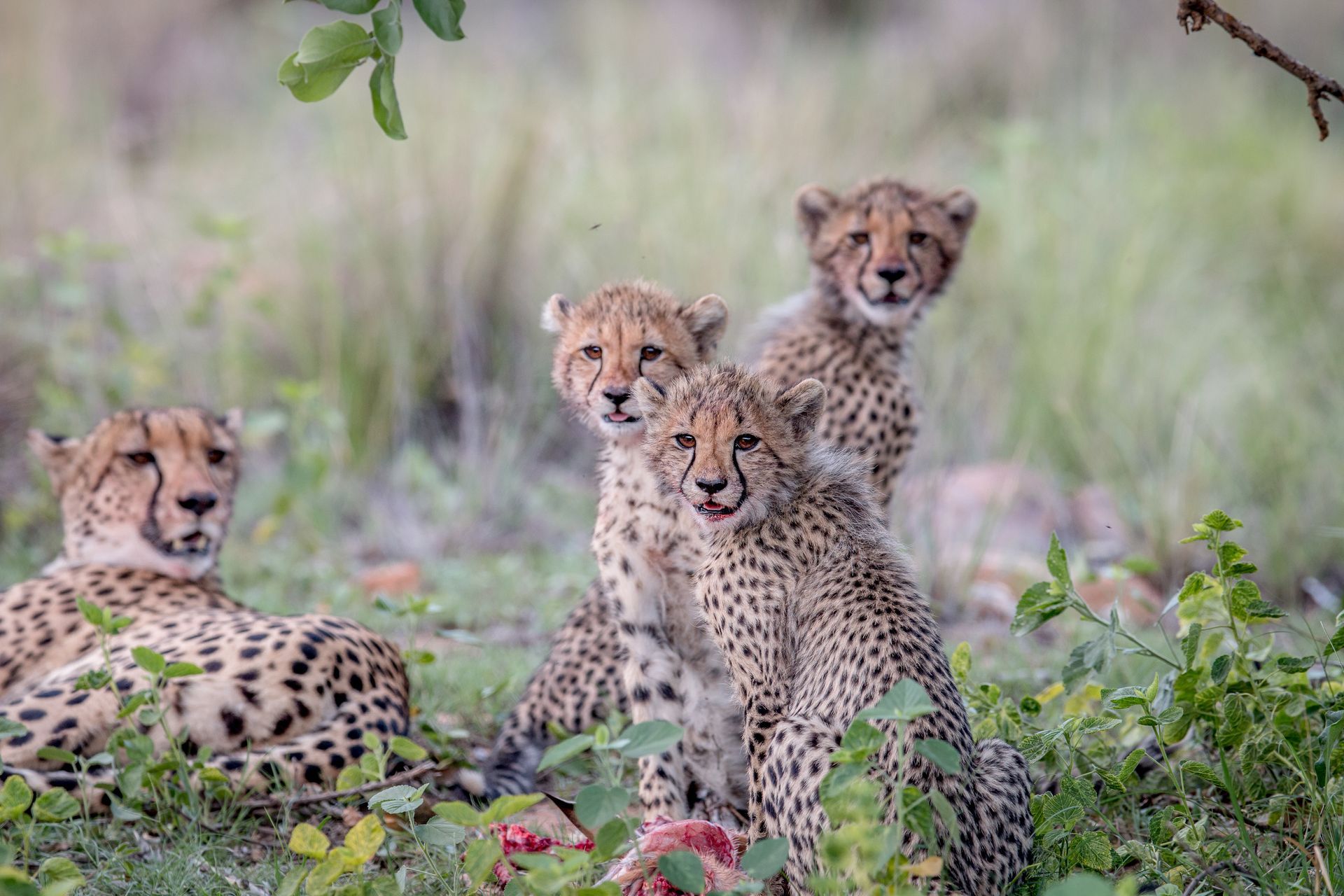
With its 3000 kilometre-long coastline, its tropical beaches, mountain ranges, bush areas and deserts, South Africa is also a land of natural beauties. Numerous National Parks teeming with flora and big game allow for many an opportunity to go on memorable scenic- and game-drives. Each and every area boasts a typical flora and fauna. Among others, one might expect to spot lions, cheetahs, elephants, giraffes, eagles and ostriches, seals, penguins, whales and many more. South Africa is a paradise for nature lovers.
-
Electricity
The power net in South Africa works on 220V – 50Hz. Some hotels provide European two pin adaptors while others have international power point in a desk. It is advisable to buy an adaptor in any supermarket.
-
Climate
South Africa is in the southern hemisphere, this means that the seasons are different than in the northern hemisphere. The winter months are June and July. Rain and even snow in the mountains around the Cape is common during winter while night temperature in the Karoo can drop way below zero. The weather in Augustus changes, rain is still possible but the temperatures are on the rise, nights are still cool. August and September are the true springtime months.
Heavy snowfall in the Drakensberg is normal during winter.
Day temperatures in the north (Limpopo, Mpumalanga and Kwazulu Natal) are lovely (up to 25?C), the nights are cool. The winter months are the dry season in the African savannah, this is the ideal time for safari as the lush green is dry and the change to see game larger.
The hottest months of the year are December and January. There is a moderate to very strong south easterly wind in the Cape (Cape Doctor) which can be compared with the mistral winds in south Europe.
-
Safety
Be aware of pickpockets and street children. Try to act inconspicuous and preferably do not take any money out of bank machines (ATM) on the street. It is better to take money inside the bank or ATM within the building.
Driving at night is not to be recommended!
The general emergency number is: 10111.
-
Traffic
We drive in South Africa on the left. The maximum speed is 120 km/h, on provincial roads 100 km/h, in the city 60 km/h. Maximum alcohol level in the blood is 0.5.
Driving on the complete left, over the yellow line is a traffic offence. This is a manoeuvre which a lot of people do, some how it is generally accepted but keep in mind that this is extremely dangerous (pedestrians, cyclists…). It is and stays a traffic offence and can be fined.
Most petrol stations are 24h open. Payment per credit card is not possible, only cash. Cooling water and oil level is checked. A small tip is appreciated.
-
Transport
Public transport is simply dangerous. Travelling by train, even in first class is very dangerous except on the big routes such as the Trans Karoo or the Algoa Train. The privately operated trains such as the Blue Train and Rovos Rail are absolutely safe!
Travelling between the big cities by bus is safe. It is possible to take a minibus taxi within the cities, this kind of public transport is cheap but very dangerous on the long distance routes (the vehicles are not always road worthy! A minibus taxi can be stopped anywhere at any time. Meter taxi is expensive. It is recommended to have your own rental vehicle.
-
Water
Drinking tap water is very safe! The drinking water in Cape Town belongs to the best in the world from all major cities. Do not drink from pools, rivers or unknown source.
-
Telephone & Internet
Public phones are hard to find and/or no longer in operation. The cheapest way of phoning with a cell phone is buy your own chip card.
Dialing abroad is recently with the ’00’ international access code.
Internet is available in most hotels and there are internet cafes in the cities.
WIFI-internet is widely available at hotels and lodges. Data vouchers are for purchase at petrol stations, supermarkets and at the telephone/internet provider shops.