Kruger National Park
KRUGER NATIONAL PARK
Kruger National Park was officially proclaimed in 1926, following decades of heavy hunting in the late 19th century that devastated local wildlife. Named after Paul Kruger, who championed early wildlife protection, the park now preserves one of Africa’s greatest natural sanctuaries.
Today, Kruger spans
nearly 2 million hectares of savannah and bushveld and is world-famous for its incredible biodiversity. It is home to the
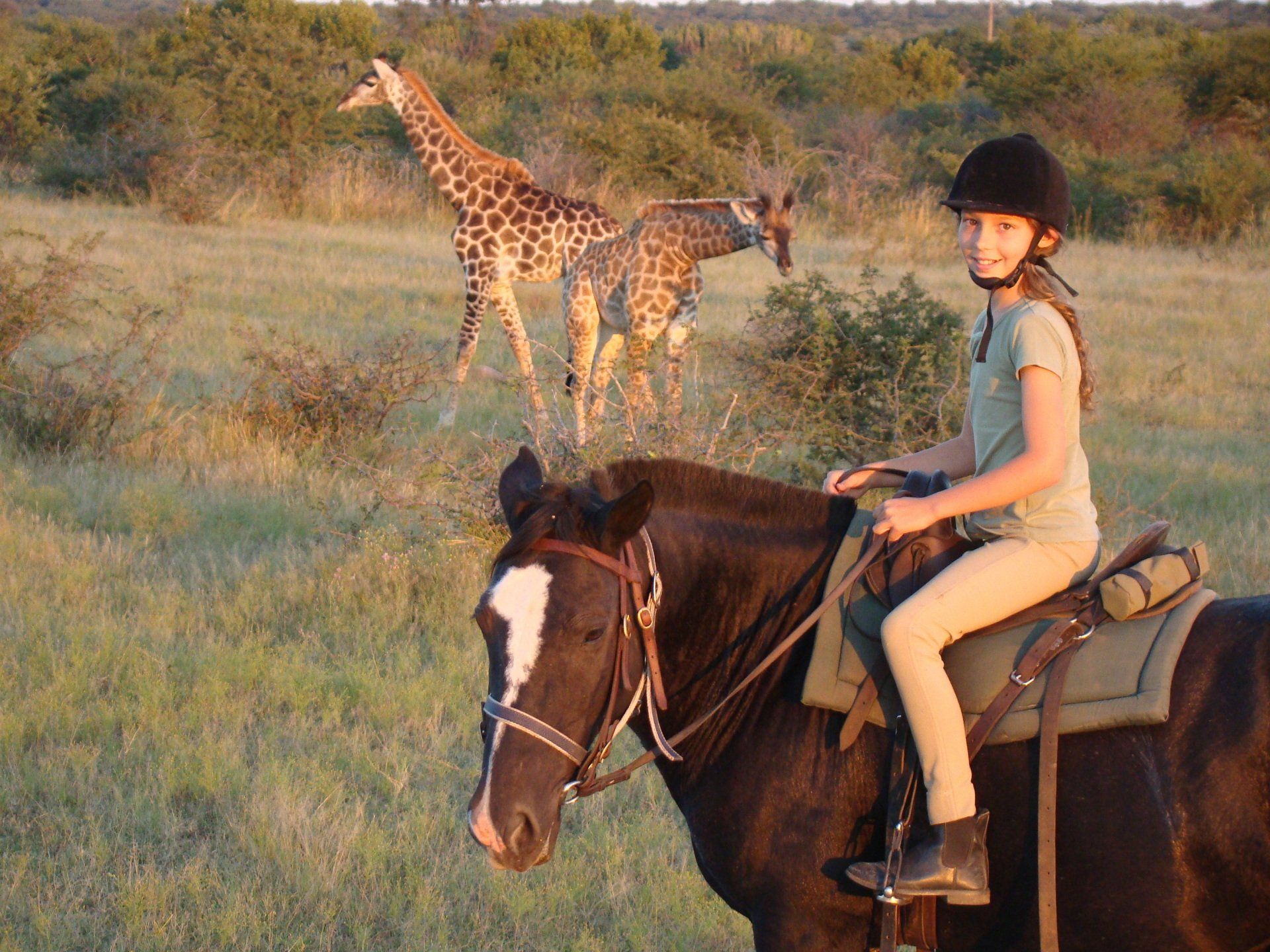
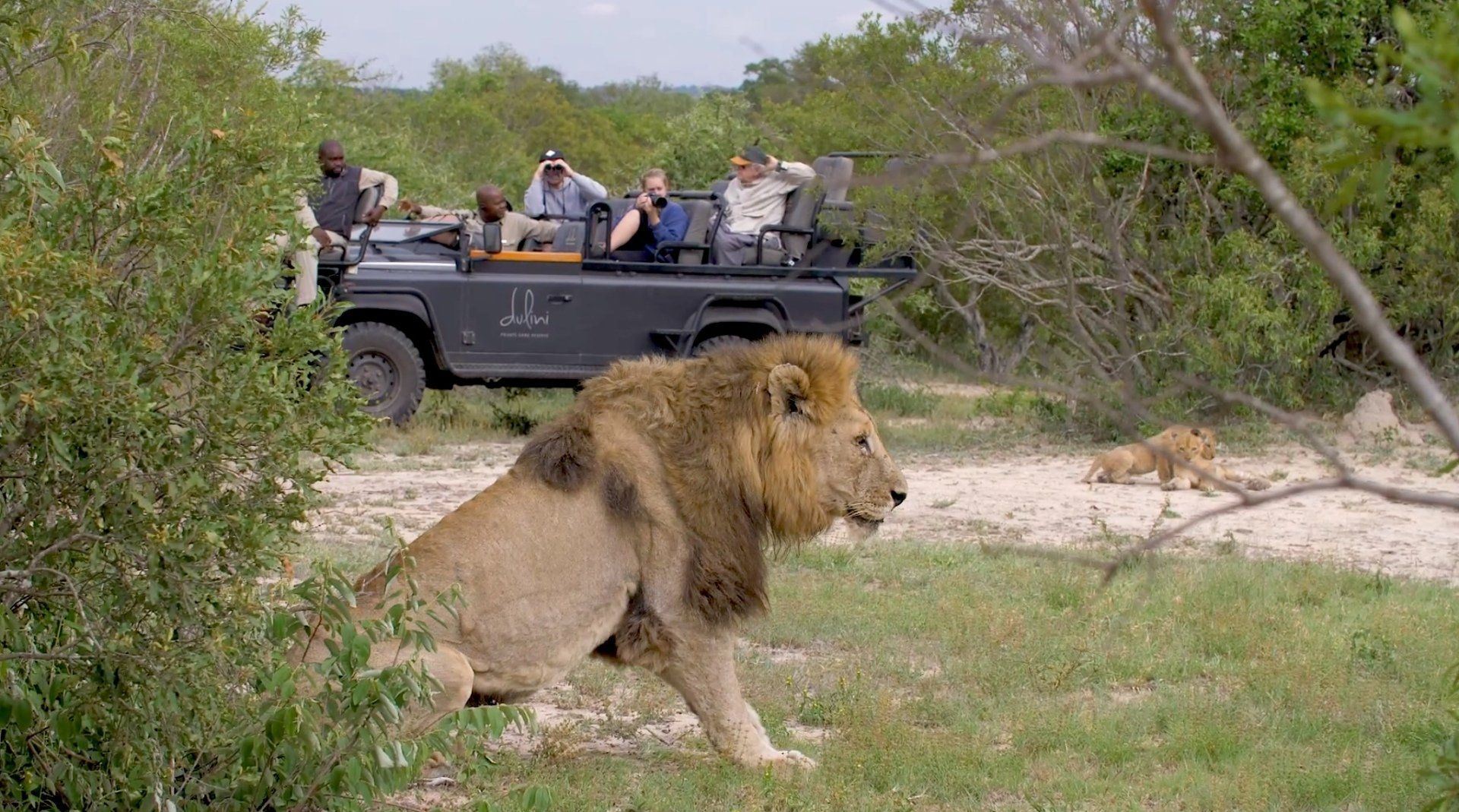
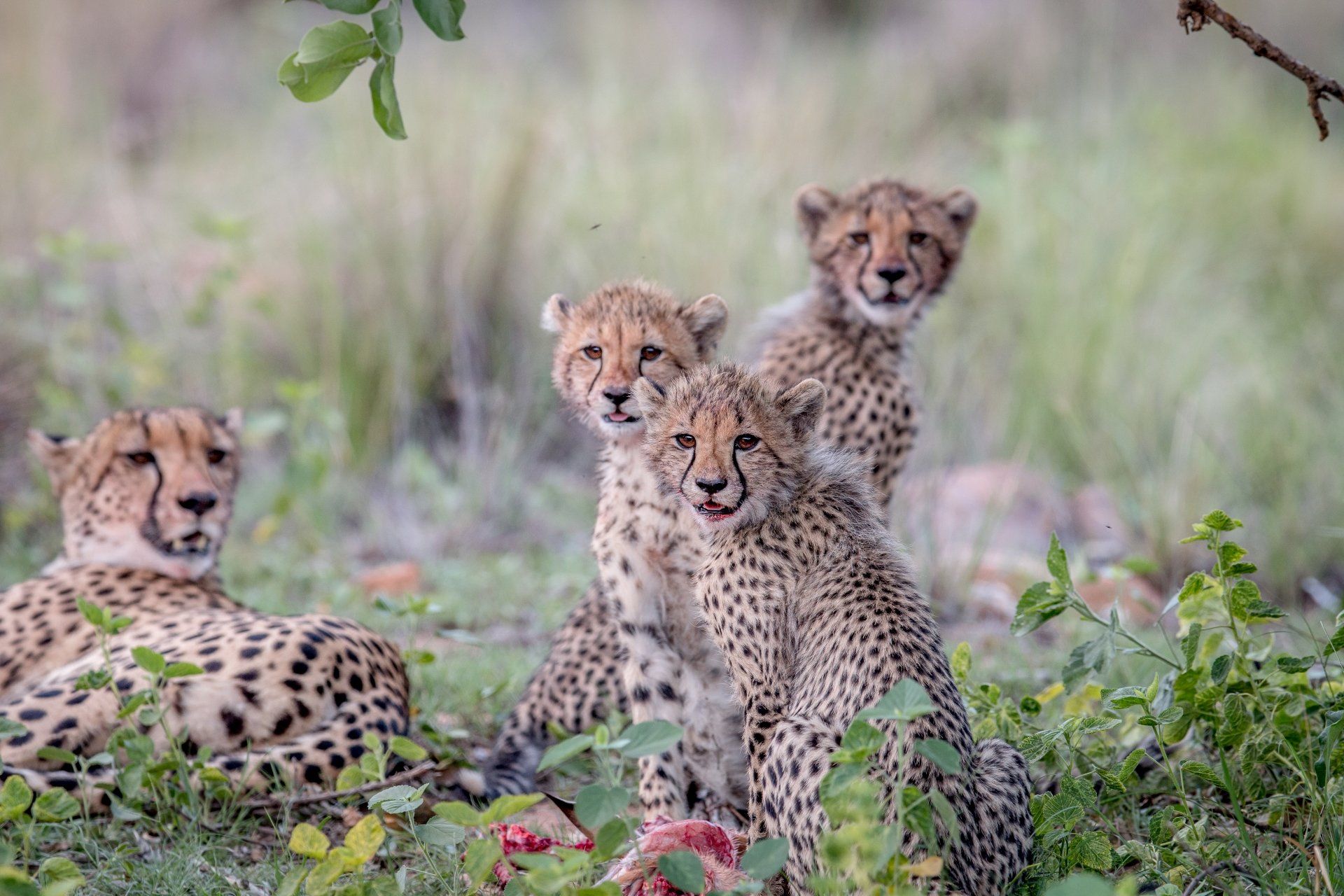
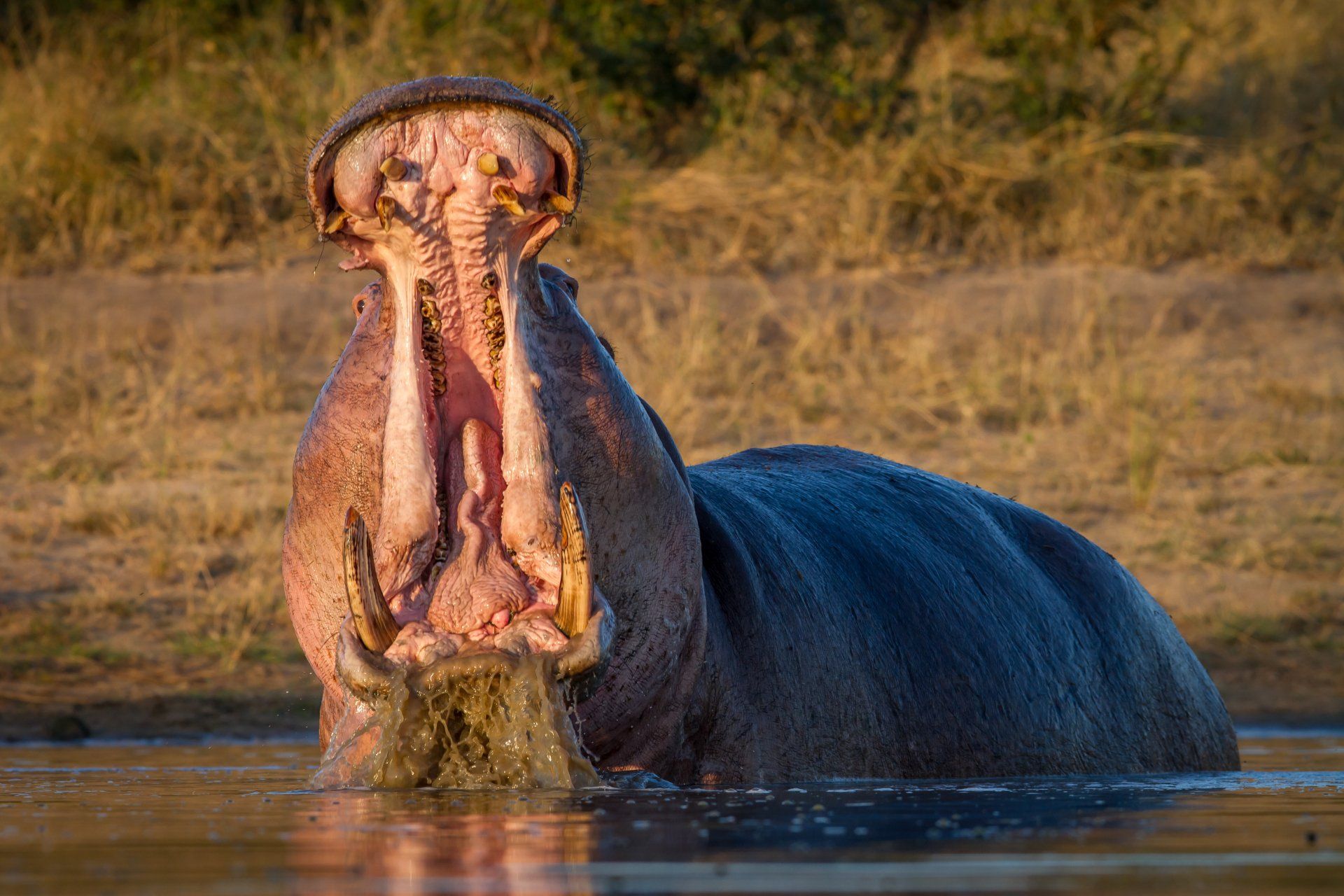
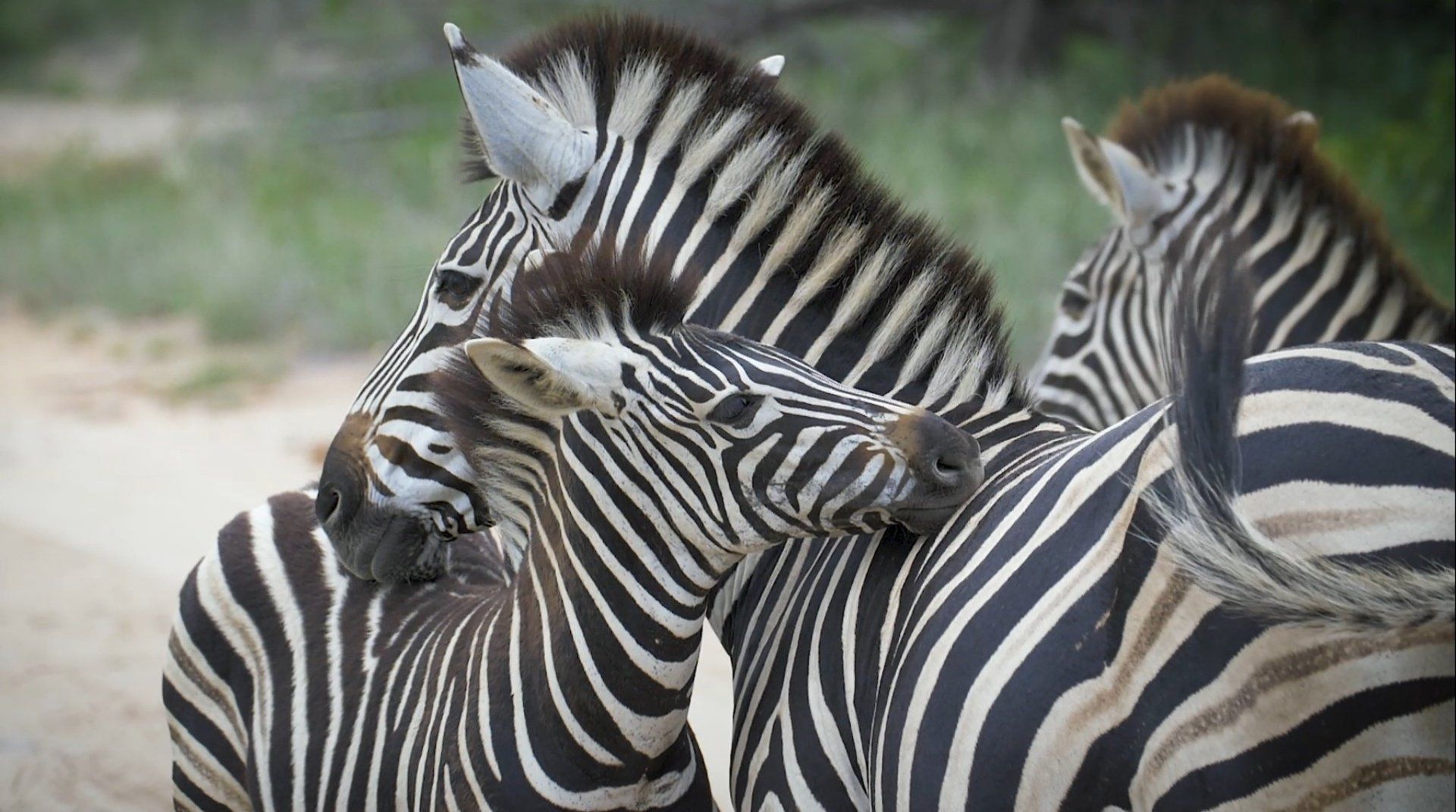
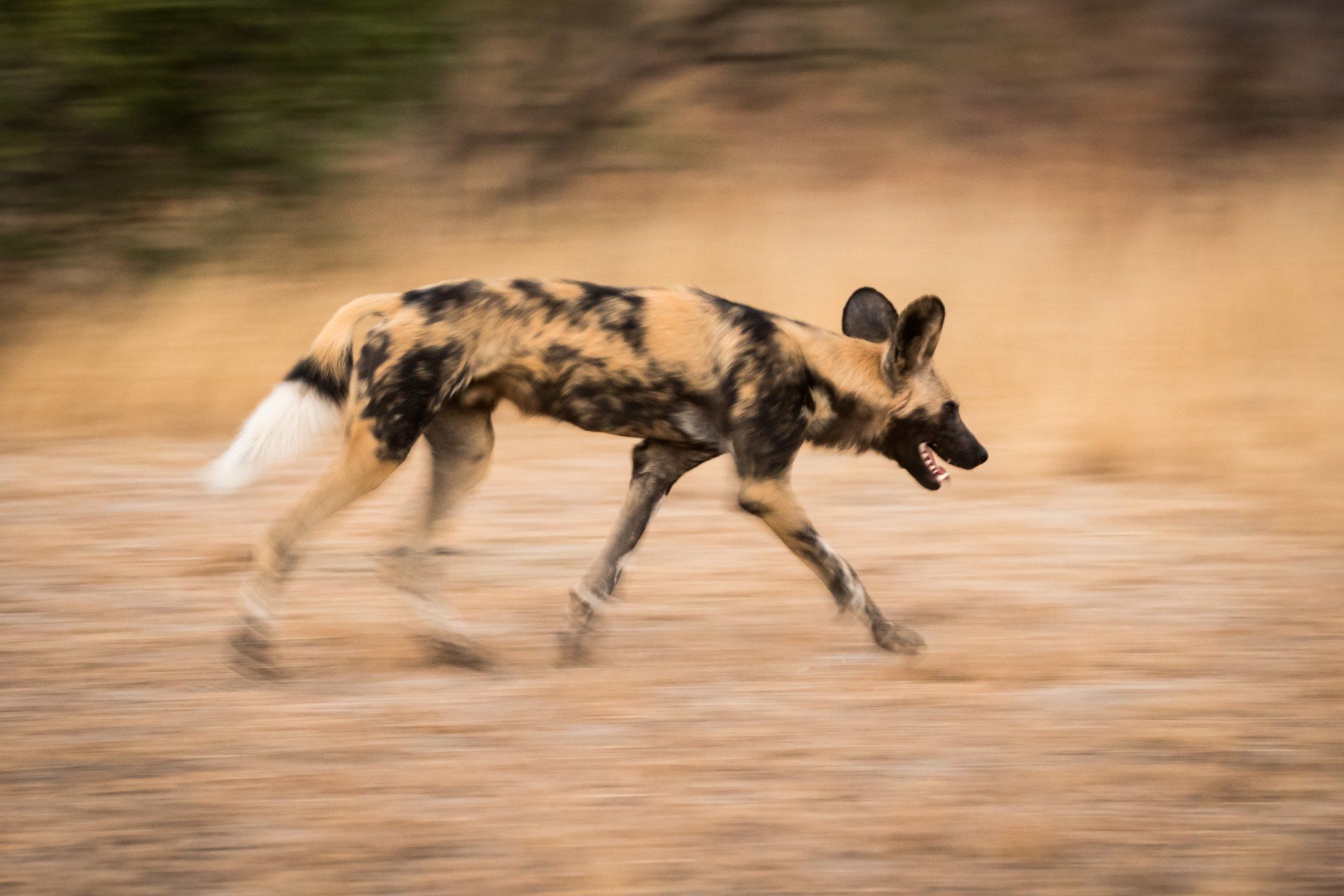
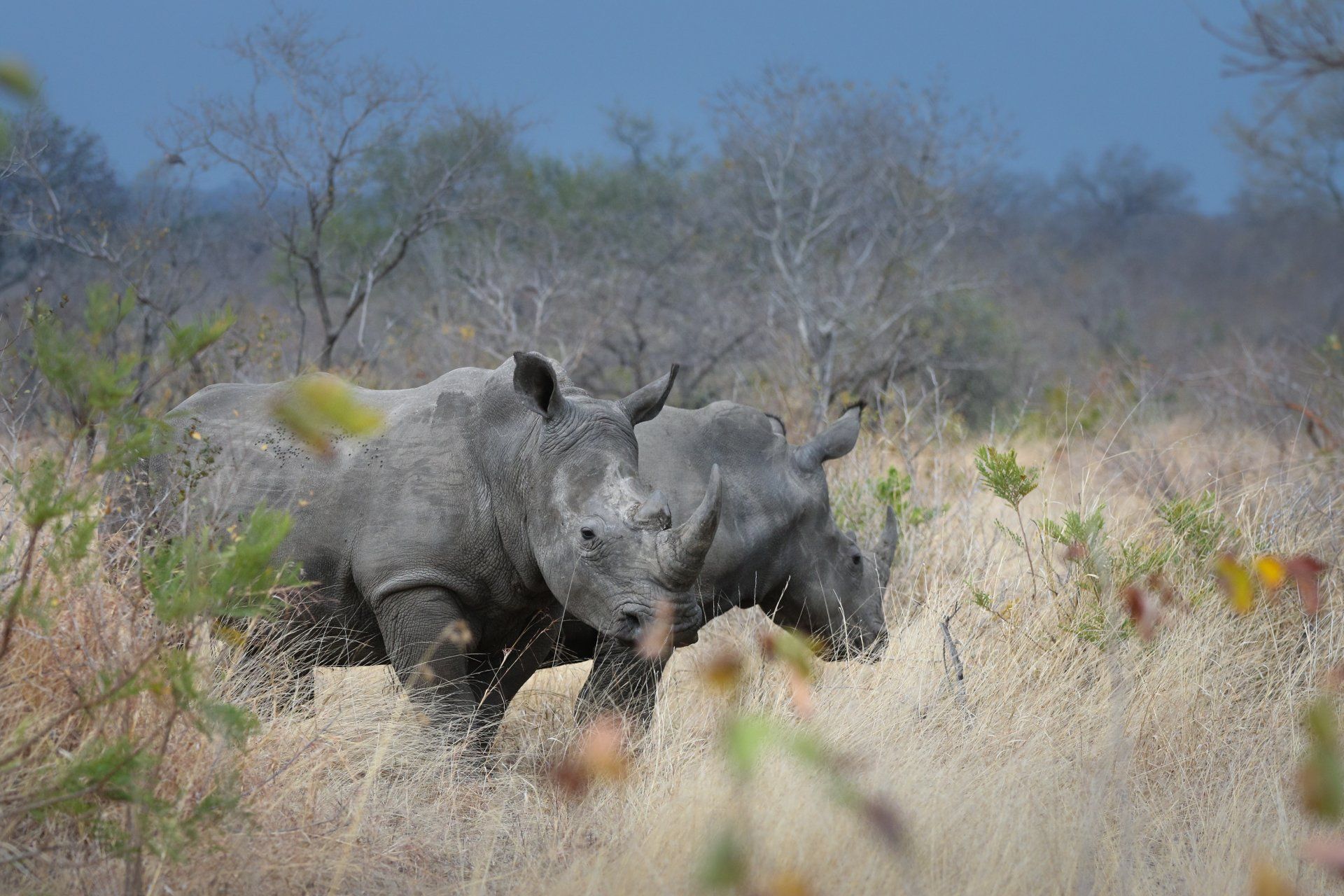
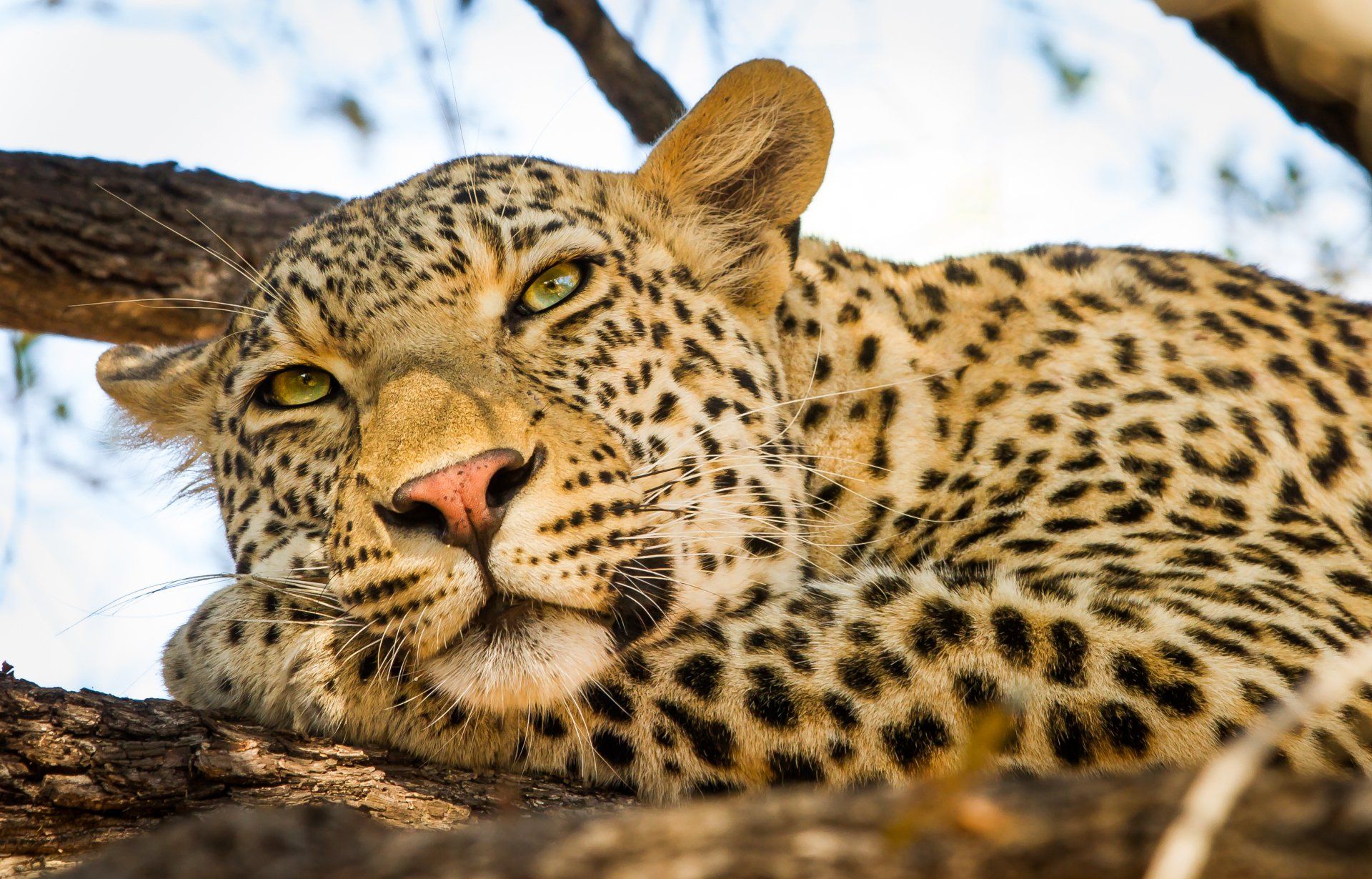
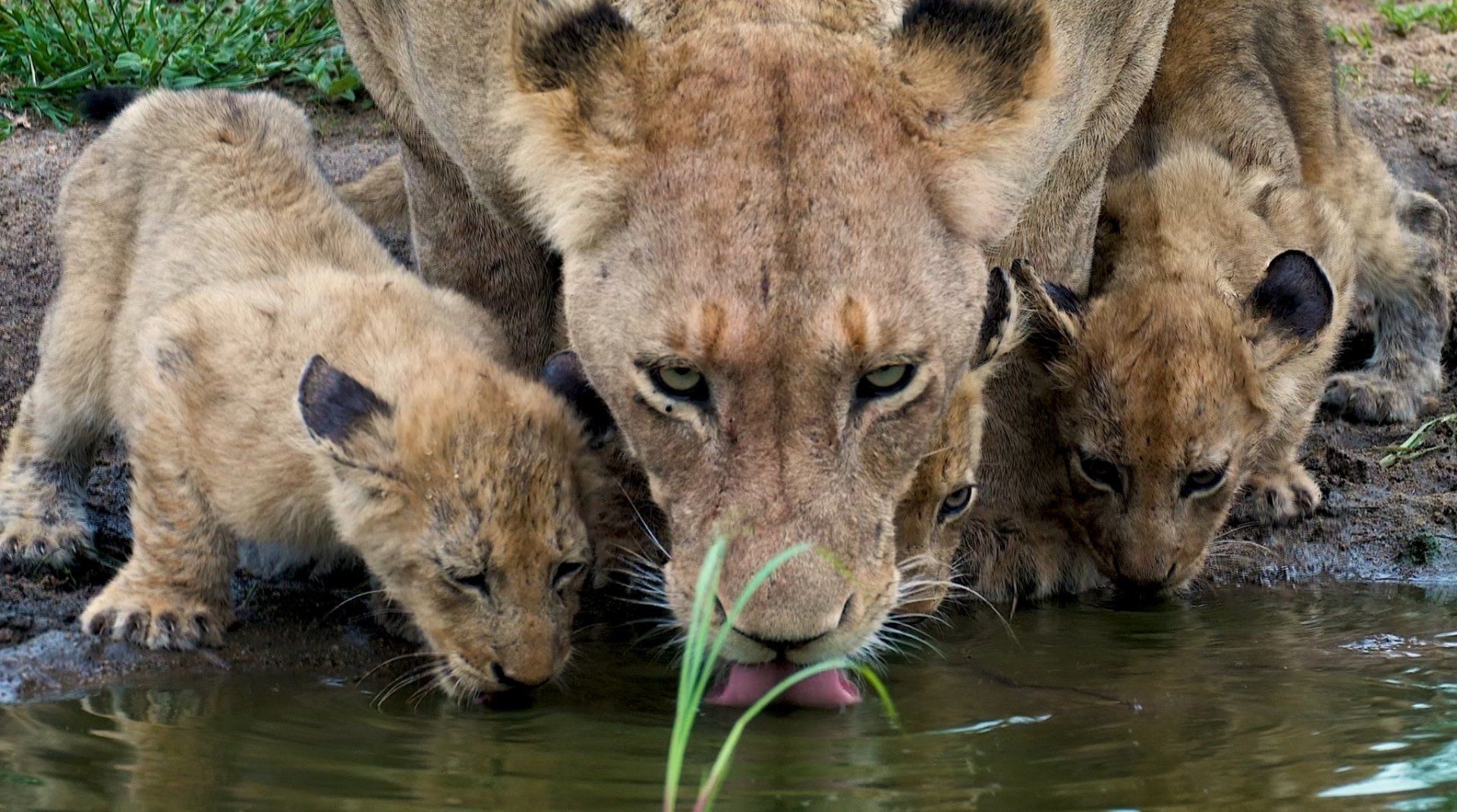
Big Five—lion, elephant, buffalo, rhino, and leopard—along with tens of thousands of antelope, 137 mammal species, around 500 bird species, and more than 100 reptiles. Vast landscapes, rich wildlife, and dramatic scenery make Kruger the pride of South Africa and a premier safari destination.
The Greater Kruger National Park
The
Greater Kruger covers an additional
344,000 hectares of protected land on the western boundary of Kruger National Park. This area is privately or community owned and used mainly for conservation-based tourism. With the fences removed, wildlife now moves freely between these properties and the national park, easing pressure on vegetation and partially restoring historical east–west seasonal movement patterns once common between Mozambique and the Drakensberg foothills.
Within this vast landscape lie some of South Africa’s most famous private reserves, including
Sabi Sands,
Balule,
Timbavati,
Klaserie,
Manyeleti, and
Thornybush. These areas offer exclusive game-viewing experiences, fewer vehicles, and exceptional chances to see wildlife up close.
For those seeking true seclusion, private concessions within Kruger National Park provide access to remote, restricted areas not open to the general public—offering an uncrowded and immersive safari experience.
Panorama Route
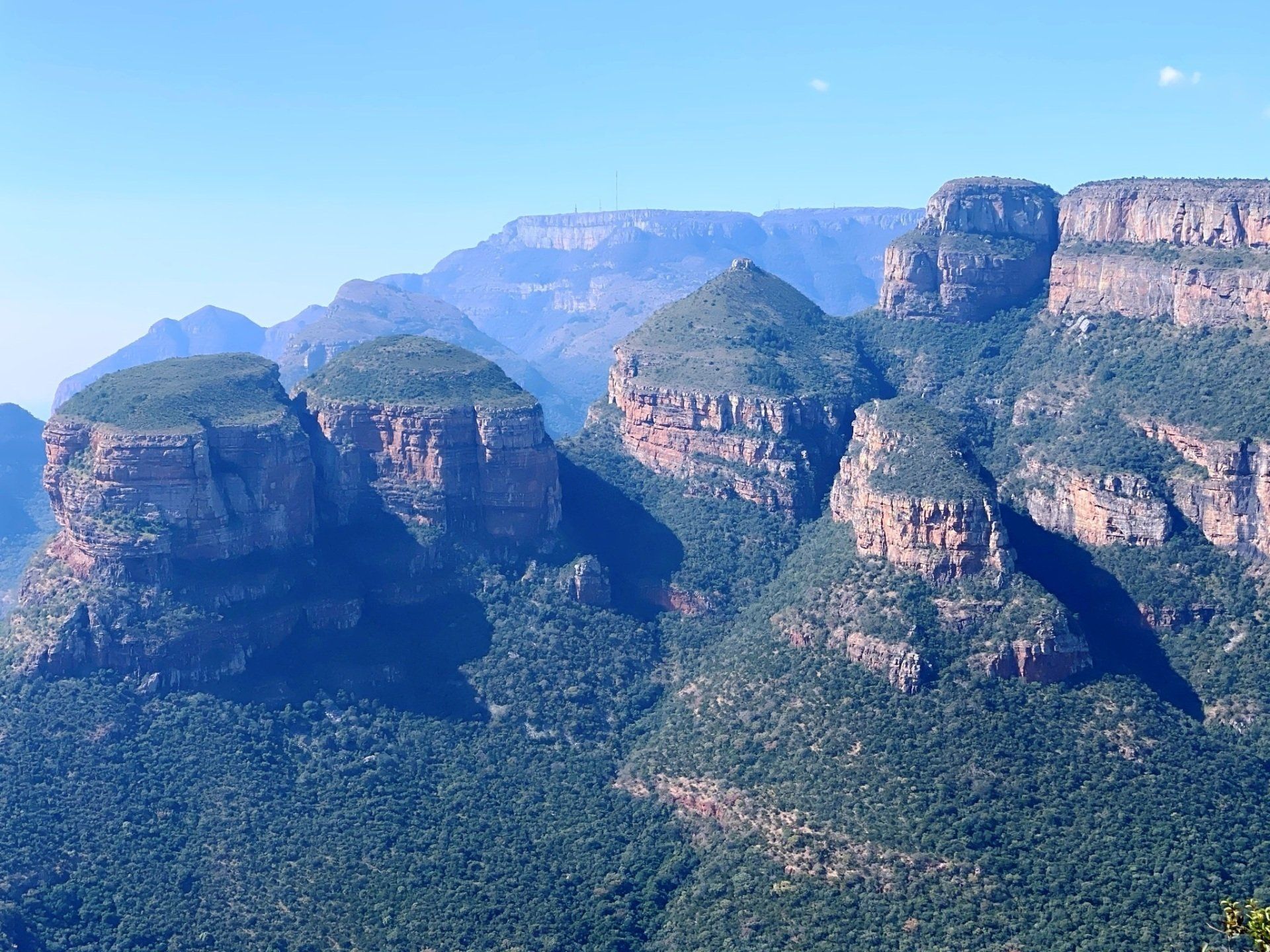
Mpumalanga Drakensburg
The northern reaches of the Drakensberg Mountains run through Mpumalanga, forming the famous
Panoramic Route between Sabie and Graskop. This scenic drive winds through the breathtaking
Blyde River Canyon, the third-largest canyon in the world after the Grand Canyon and Namibia’s Fish River Canyon. Dominated by the striking
Three Rondavels and the towering
Mariepskop, this region showcases some of South Africa’s most dramatic natural landscapes.
Along the route, the terrain shifts into rugged farmland where fruit, vegetables, and tobacco grow in rich red soil before the road leads into the historic gold-mining town of
Pilgrim’s Rest. Further along are iconic viewpoints such as
The Pinnacle,
Jock’s View,
God’s Window, and
Wonderview, all offering sweeping vistas over cliffs, forests, and the Lowveld below.
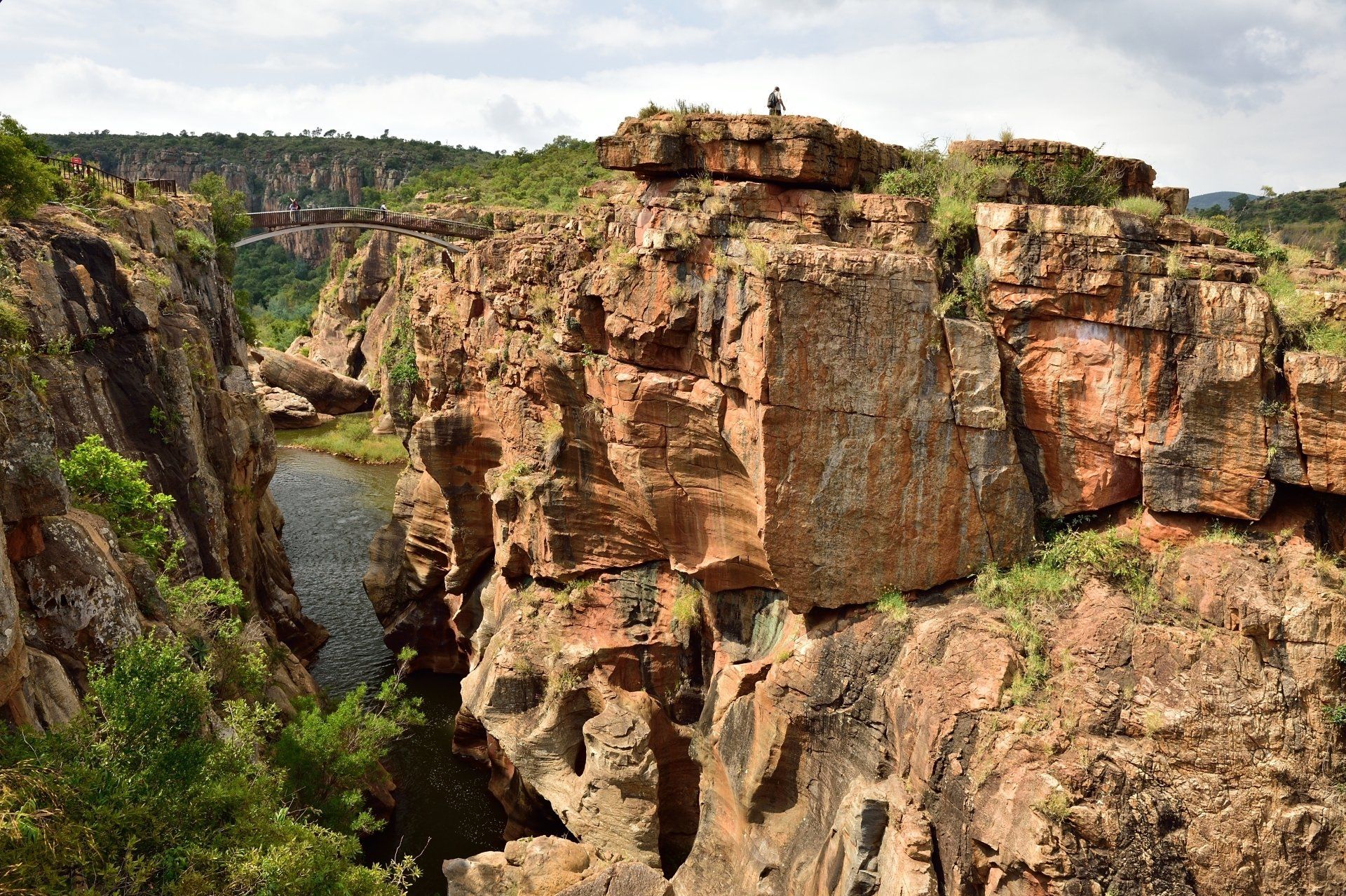
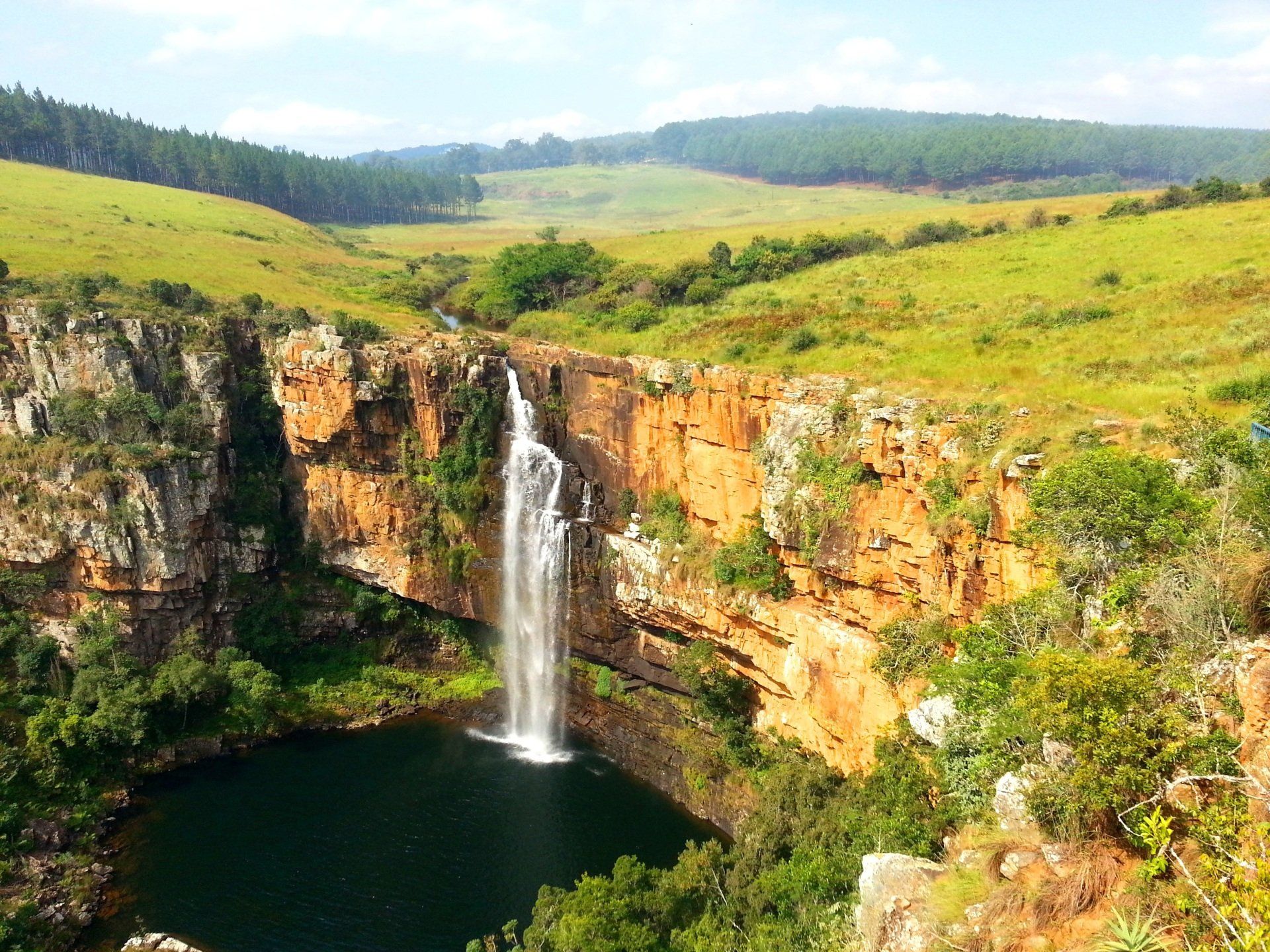
North of these lookouts lie the scenic Lisbon and Berlin Falls, followed by the remarkable Bourke’s Luck Potholes, where walkways lead visitors over fascinating rock formations carved by centuries of river erosion. Beyond this point, the Blyde River flows northward into a magnificent gorge, completing one of the most beautiful stretches of the Drakensberg.