
eSWATINI

LANDSCAPES AND CULTURE

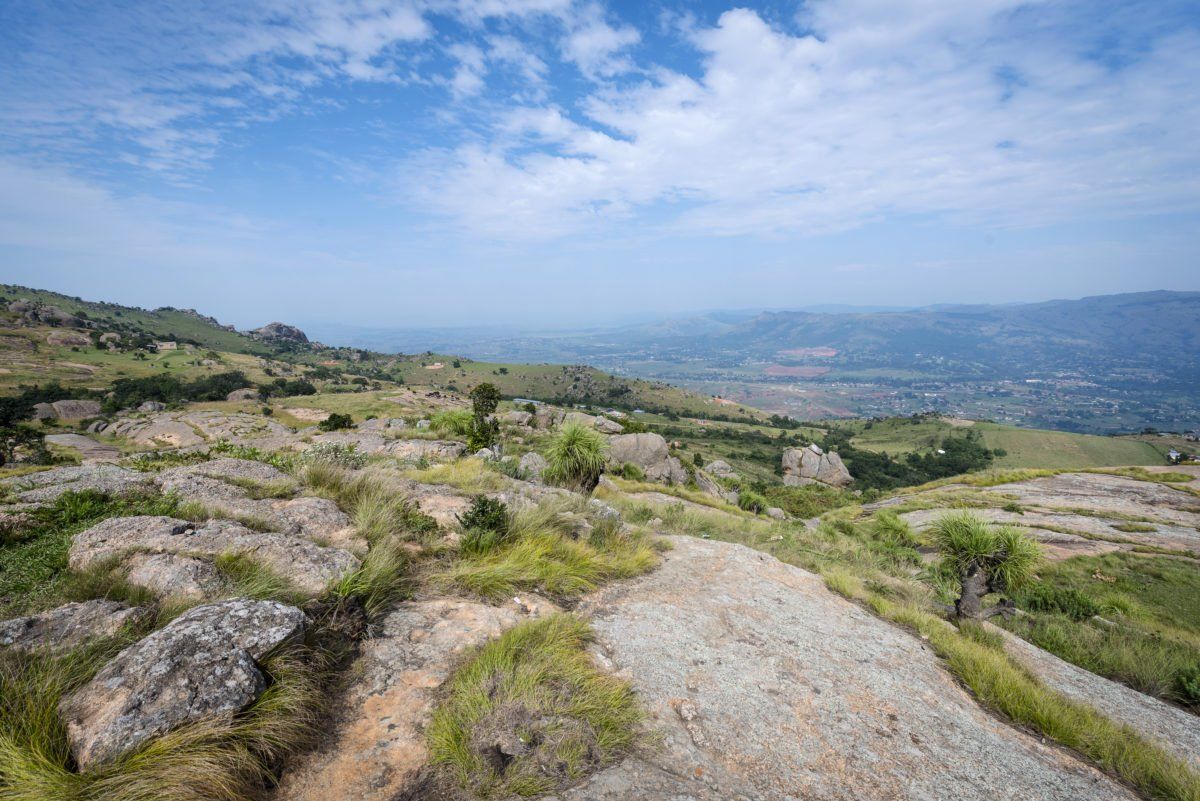
eSwatini (formerly Swaziland) is a small yet captivating kingdom completely surrounded by South Africa. Many travellers pass through on their way to the Kruger National Park or KwaZulu-Natal, and the country has become a favourite stopover thanks to its natural beauty and rich cultural heritage. One of the most popular areas is the scenic Ezulwini Valley, located just south of the capital, Mbabane.

Covering just over 17,000 km², the Kingdom of eSwatini is the smallest country in the southern hemisphere—roughly the size of Wales in the United Kingdom or the U.S. state of New Jersey. It stretches approximately 193 km from north to south and 145 km from east to west, yet within this compact space lies an impressive array of attractions.

Despite its size, eSwatini offers a vibrant and enriching travel experience. The country is renowned for its colourful arts and crafts, which can be found at numerous markets, traditional stalls, and craft outlets scattered throughout the kingdom. Its cultural traditions remain strong and proudly displayed through music, dance, festivals, and local craftsmanship.

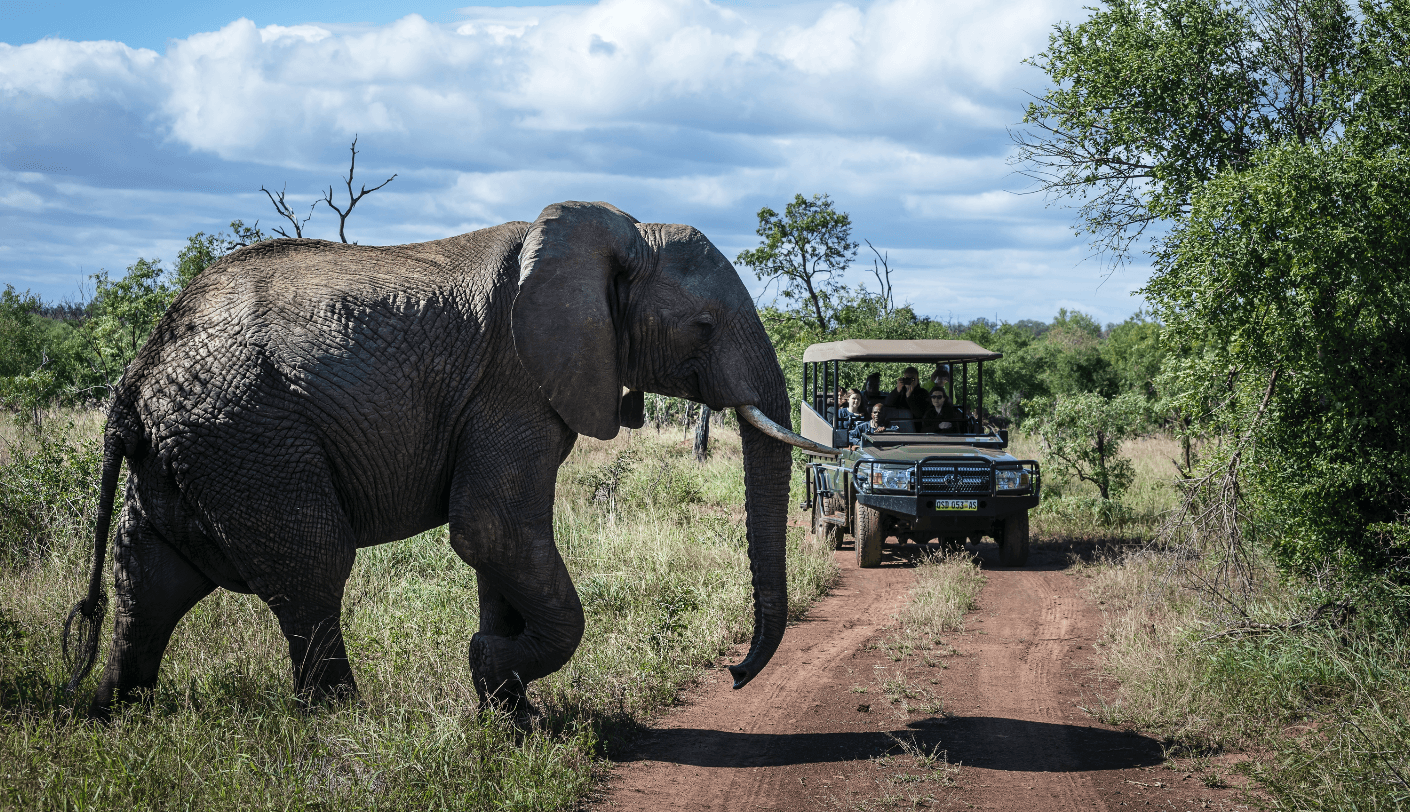
Nature lovers will also find plenty to enjoy, with several wildlife reserves offering the chance to spot a variety of animals in serene, uncrowded settings. Whether you’re exploring its creative markets or its protected natural landscapes, eSwatini delivers an authentic and memorable taste of southern Africa.
  • Slide title

    Write your caption here
    Button

Ezulwini Valley

Learn More
  • Slide title

    Write your caption here
    Button

Hlane Royal National Park

Learn More

GENERAL INFORMATION

  • Currency

    The Swazi lilangeni(SZL) is the official currency of the Kingdom of Swaziland. The lilangeni is tied to the South African rand(ZAR). Both currencies are tied to each other at a one to one exchange rate.

  • Climate and temperature

    Malaria: international visitors do not stay in Swaziland only but rather drive through from north to south.


    Malaria prophylaxis is highly recommended for visits to Mpumalanga and Limpopo (Kruger National Park) and KwaZulu/Natal (National Parks of Zululand) in South Africa as well as some of the game reserves in Swaziland itself. Suitable medication is available at local pharmacies. We recommend that you consult your doctor before departure. In addition we recommend that at dusk and down you wear clothing of light colour that covers your arms and legs and to avoid sitting outside. If possible you should sleep under a mosquito net or in a room that has been treated with insect repellent.

  • Health

    Bilharzia: The danger of Bilharzia is common in the northern and eastern parts of the country, generally in standing water. It is therefore not advisable to swim in unknown waters, not even touching it with hands and feet.


    Sun: The sun is very intense and it is advisable to protect yourself with high sunscreen lotion, sunglasses and a hat. In addition drink a lot of water to avoid dehydration.

  • Transportation

    In Swaziland you drive on the left-hand side. An international Drivers License is required. The traffic signs are mostly in accordance with international standards. Please note that at “4-way-crossings” the person who stops first is allowed to drive first as well. If in doubt, making eye contact helps to agree on right of way. The wearing of seat belts is compulsory. The permissible alcohol limit is 0.5 ml/Litre. Mobile telephones may only be used while driving when fitted with a hands-free kit.

  • Passports and visa

    Most nationals will require visas for most African countries. Some countries are free of charge but otherwise the cost varies between US$30 to US$ 100 per person per entry. We recommend that where possible you obtain your visa in

    advance, although they are available upon arrival. To know if your nationality can obtain a visa on arrival and the cost, please check with the destination country’s embassy closest to you. Some countries such as Zambia and Zimbabwe offer visitors from certain countries the benefit of a UniVisa valid for both destinations which can be obtained only at certain point of entries. In any case the onus is upon the traveller to ensure that they have the right travel documentation and visa as required.

  • Language

    National and official languages. Swazi (Swati or siSwati), a Southern Bantu language, is the national language of Eswatini, and is spoken by approximately 95 percent of Swazis. Swazi and English are the country’s two official languages, and proceedings of the Parliament of Eswatini take place in both languages.