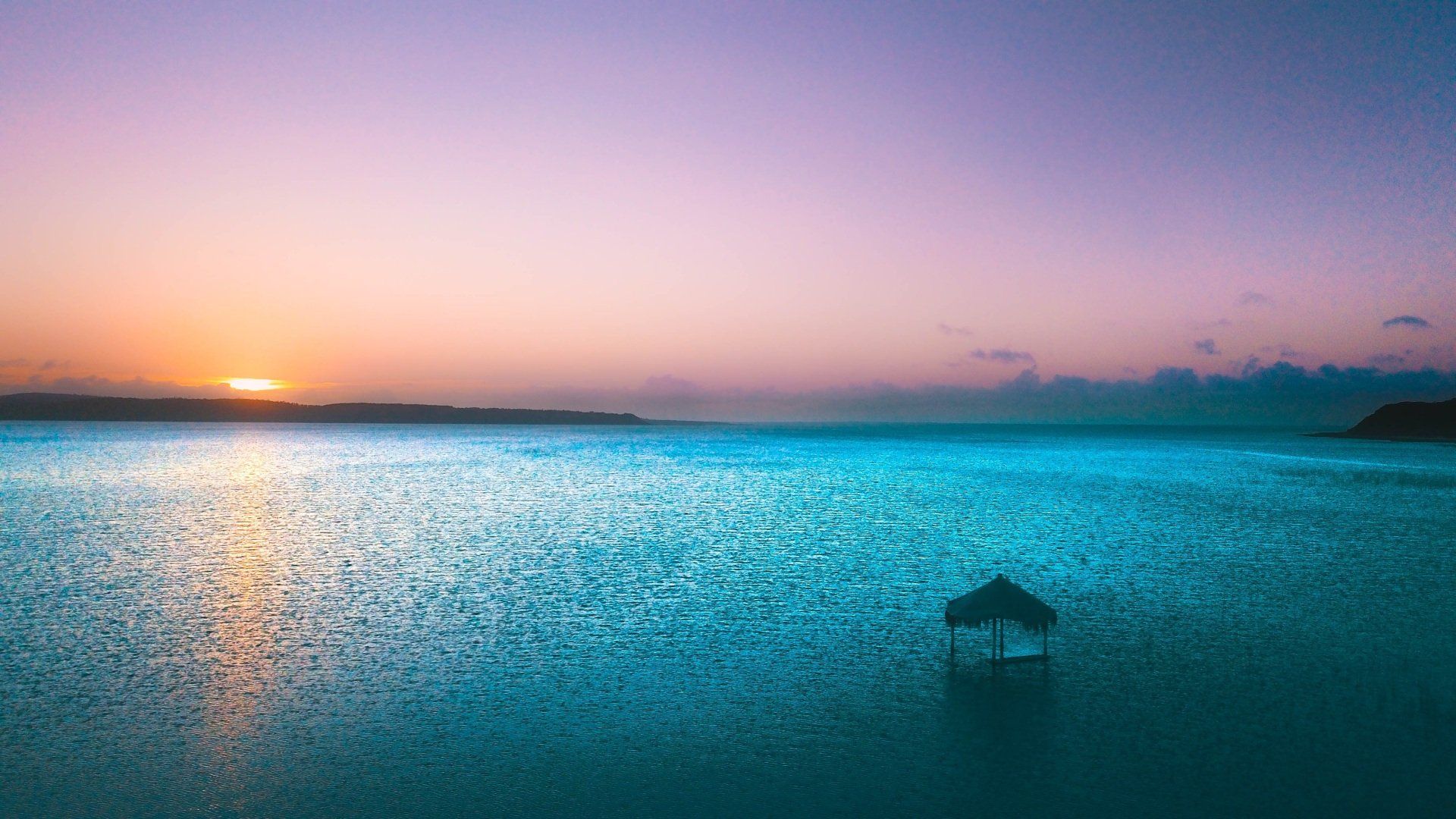
MOZAMBIQUE

SUN, SEA AND BEACHES

The Republic of Mozambique stretches for 2 504 kilometres along the southeastern coast of Africa, facing the Indian Ocean and occupies 799 384 square kilometres.


The country’s northern border is the Rovuma River, which separates Mozambique from Tanzania. The other countries bordering Mozambique are Zambia Zimbabwe South Africa and Swaziland

Nearly half of all the land in Mozambique is low lying.and as many as sixty rivers crisscross the country as they head for the Indian Ocean Amongst these rivers are the mighty Zambezi which effectively divides the country in half, forming a natural barrier to travel between southern and northern Mozambique.
  • Slide title

    Write your caption here
    Button
  • Slide title

    Write your caption here
    Button

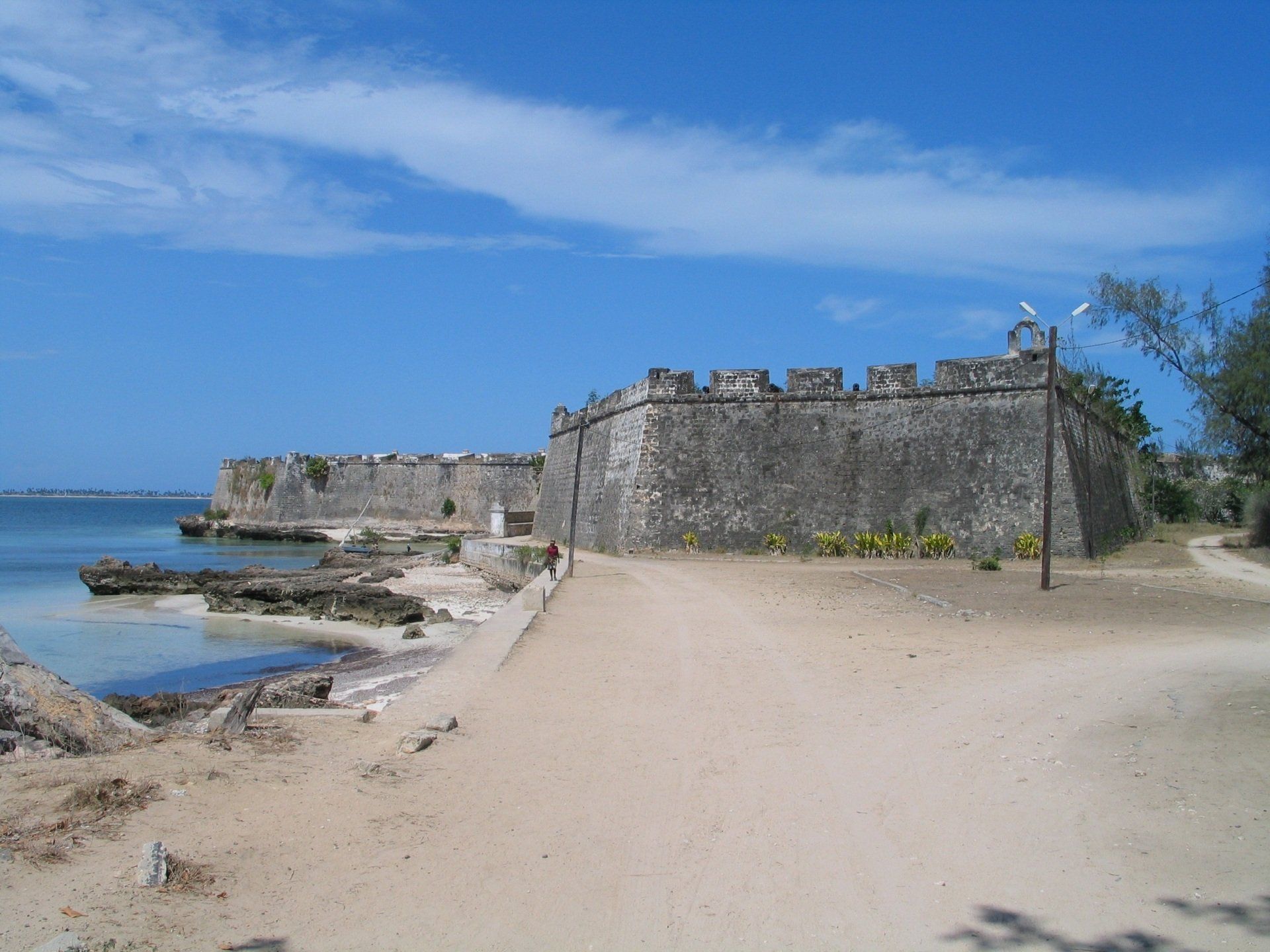
Cities & Islands

Learn More
  • Slide title

    Write your caption here
    Button
  • Slide title

    Write your caption here
    Button

Maputo & Surroundings

Learn More

GENERAL INFORMATION

  • Currency

    The currency used in Mozambique is Meticais.

    Be cautious when changing money at the Mozambique border post or anywhere other than at banks. RSA Rand, US$, GBP and Euro are usually accepted. Also accepted are Master and Visa credit cards. We do not accept Amex or Diners Club cards or travellers cheques.


    Note: Travellers cheques are difficult to exchange in Mozambique.

  • Climate and temperature

    The temperature range between day and night is not extreme.


    Summer can be very hot although not too humid due to a generally low rainfall.


    Winter is very pleasant and a light jersey may be required in the evenings. The winter days are also a lot shorter. Sea temperatures vary between 22 degrees centigrade in winter to 29 in summer.

    The tropical climate has two seasons: dry and wet. The wet season is from October to March and the dry season lasts from April to November. More than 80% of the entire years rain falls during the wet season. Most areas receive between 120 and 200 cm of rainfall. The average annual rainfall is greatest over the western hills and the central areas, and lowest in the southwest. Drought is frequent, especially in the south. 


    Temperatures range from 20 C in July to 29 C in January. About half of the land is covered with forests, scrub and woodland. The wet regions support thick forests and the drier interior supports only a thin savanna vegetation. Mangroves and coconut palms are common along the coast.


    Mozambique offers a truly unique experience and the diversity of the country’s ecology makes for interesting travelling and exploring of this largely un-explored region.

  • Passports and visa

    Passports are required for all visitors to Mozambique. South African passport holders do not need visa’s. Other nationalities need to apply for visa’s. It is advisable to obtain visa’s before travelling to Mozambique as this can often prove difficult at the various points of entry including airports and border control posts. It is possible that last minute visa’s may not be issued at all at these entry points.


    Fly-In Guests need to pay a US$ 30 departure tax (subject to change) when leaving Inhambane airport.