CAPE TOWN & CAPE PENINSULA
CAPE TOWN
Just
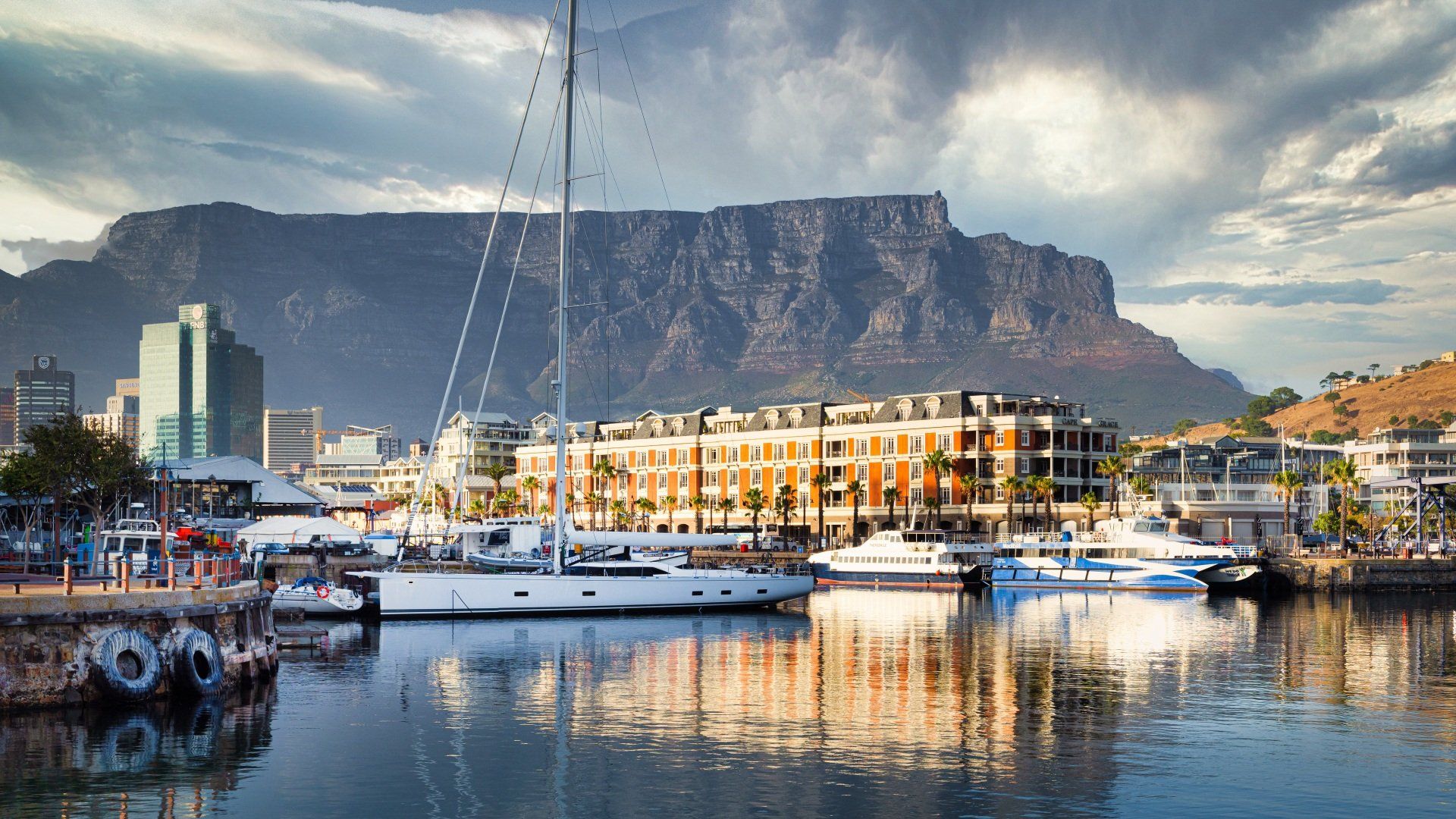
40 kilometers from the Cape of Good Hope, Cape Town is one of the world’s most breathtaking cities. Nestled beneath
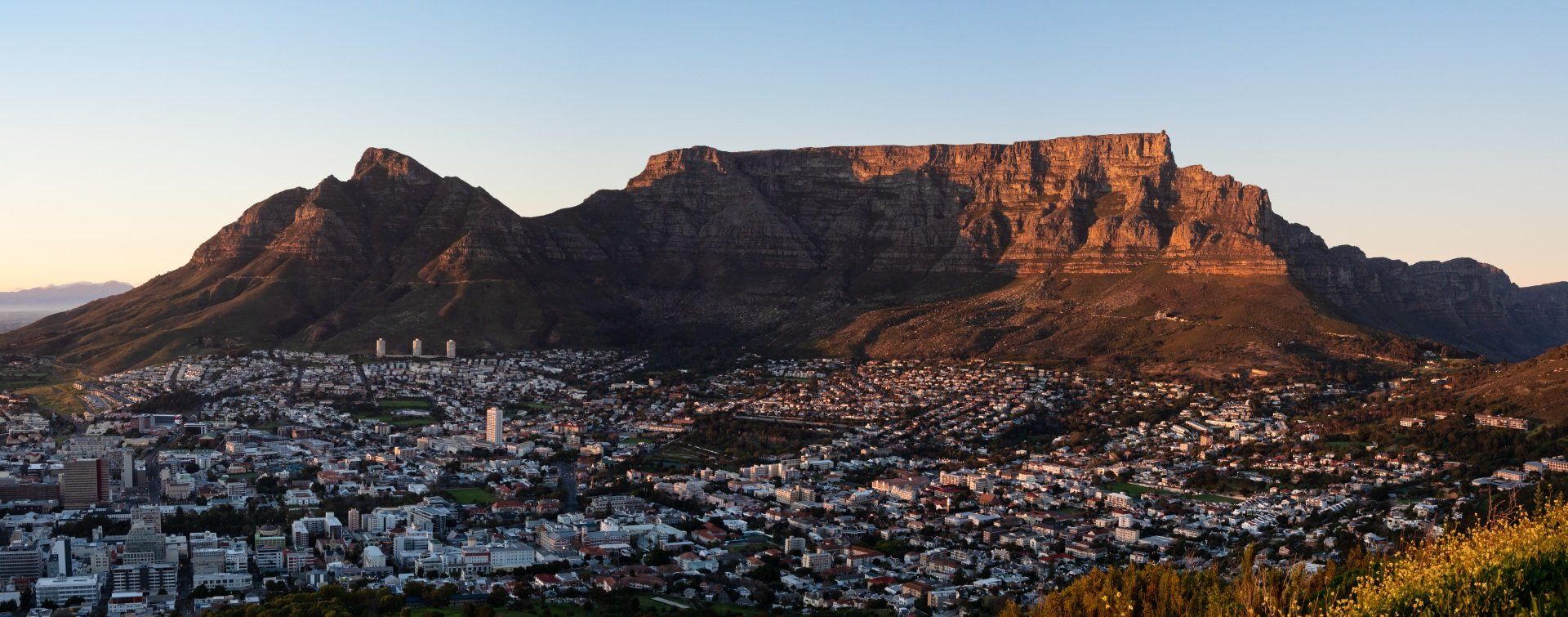
Table Mountain, Lion’s Head, and Devil’s Peak, the city is framed by dramatic natural scenery and brimming with history, culture, and energy. Few cities in the world offer a setting so spectacular, where mountains meet the sea in perfect harmony.
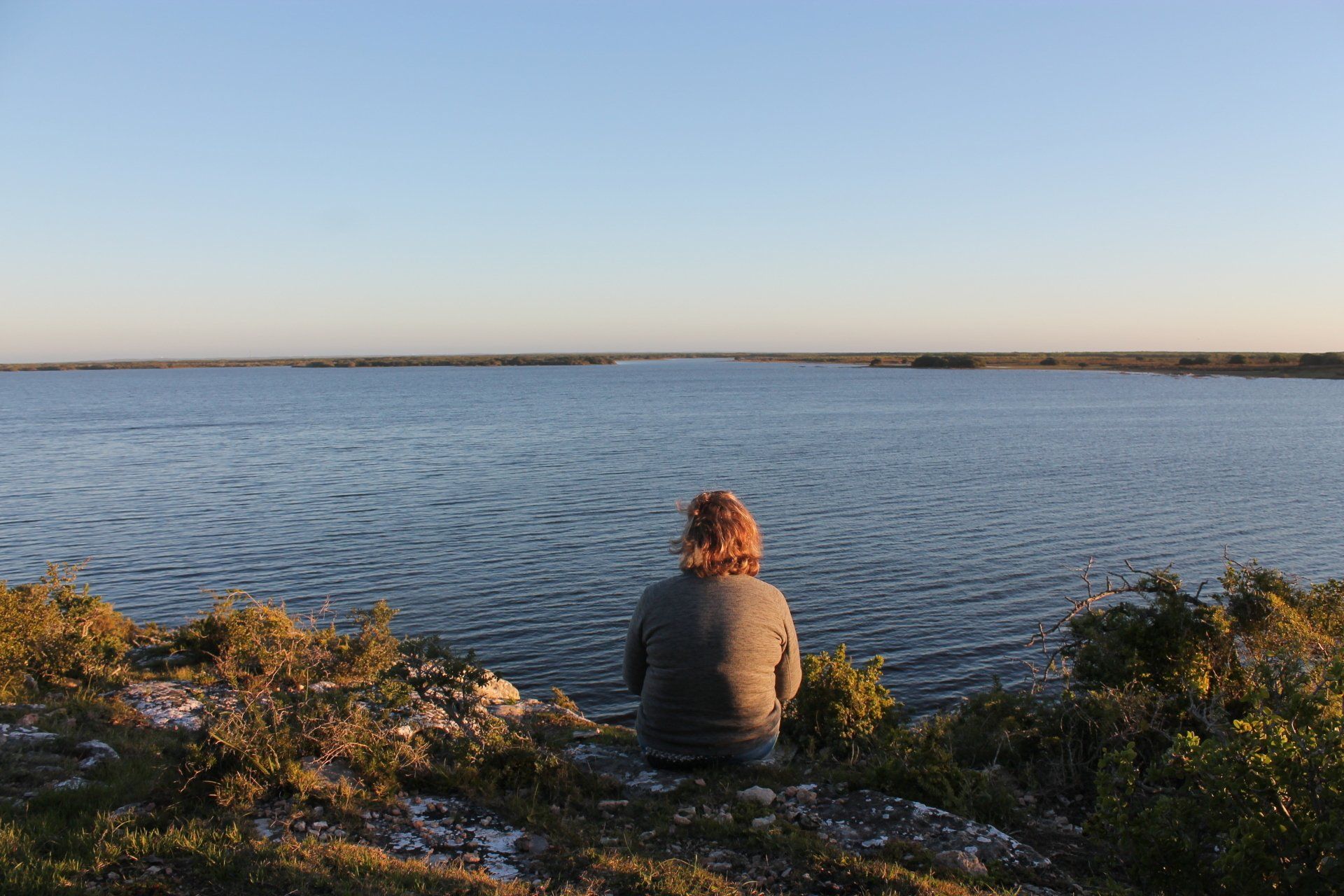
From a remote colonial outpost to a vibrant modern metropolis, Cape Town has become a hub for commerce, culture, and tourism. The city is a major port, a financial center, and a rapidly growing holiday destination, famous for its idyllic summers, stormy winters, and stunning natural surroundings. Visitors can explore its rich history, diverse neighborhood's, and cosmopolitan lifestyle all in one visit.
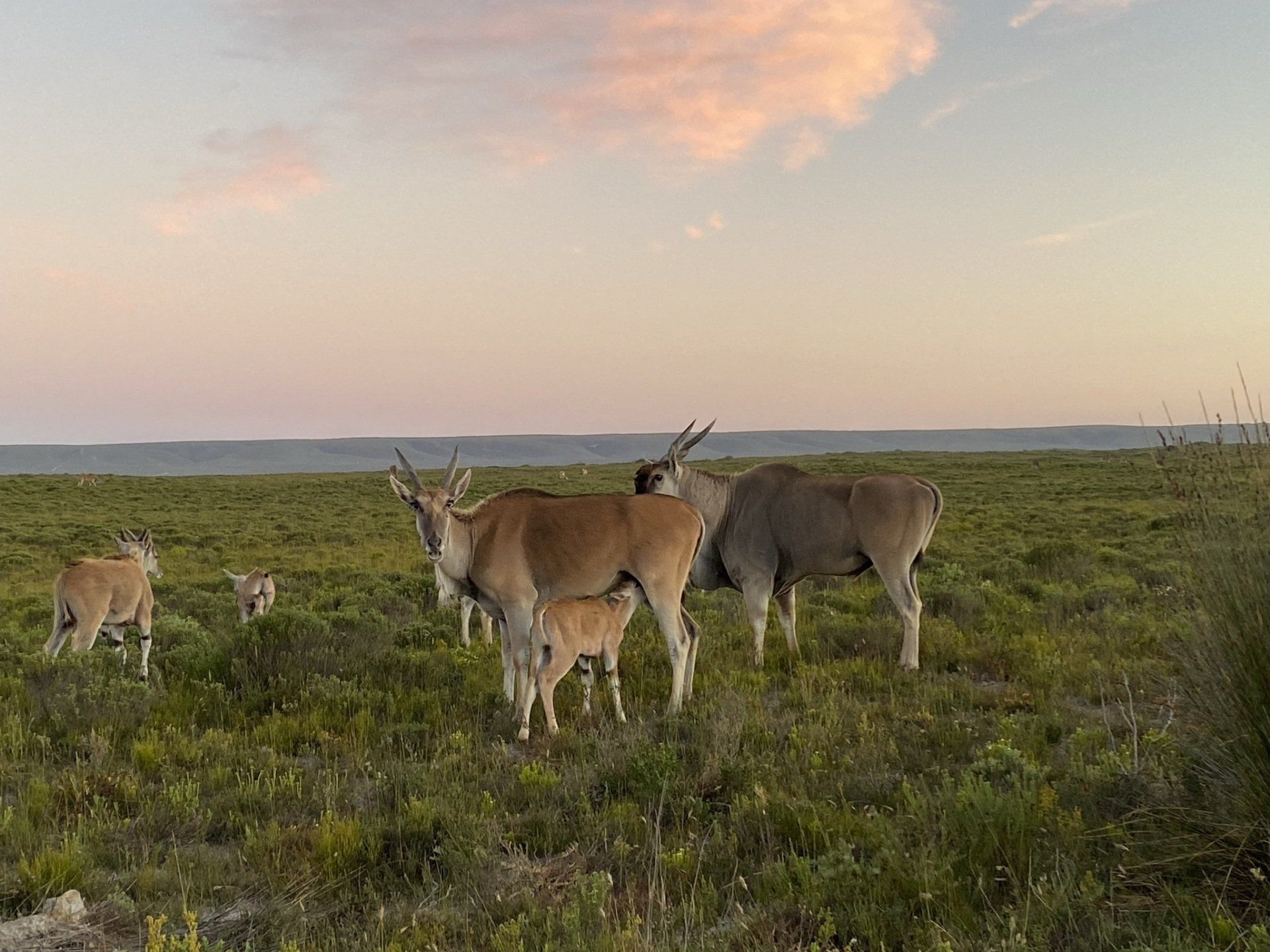
The Waterfront is a must-see, where the old harbor has been transformed into shops, restaurants, bars, cinemas, and hotels. Beyond the city center, suburbs stretch around Table Mountain, creating a city of contrasts — a unique blend of cultures, landscapes, and experiences. Cape Town is a place where adventure, nature, and history come together, promising visitors an unforgettable journey between two oceans.
Table Mountain
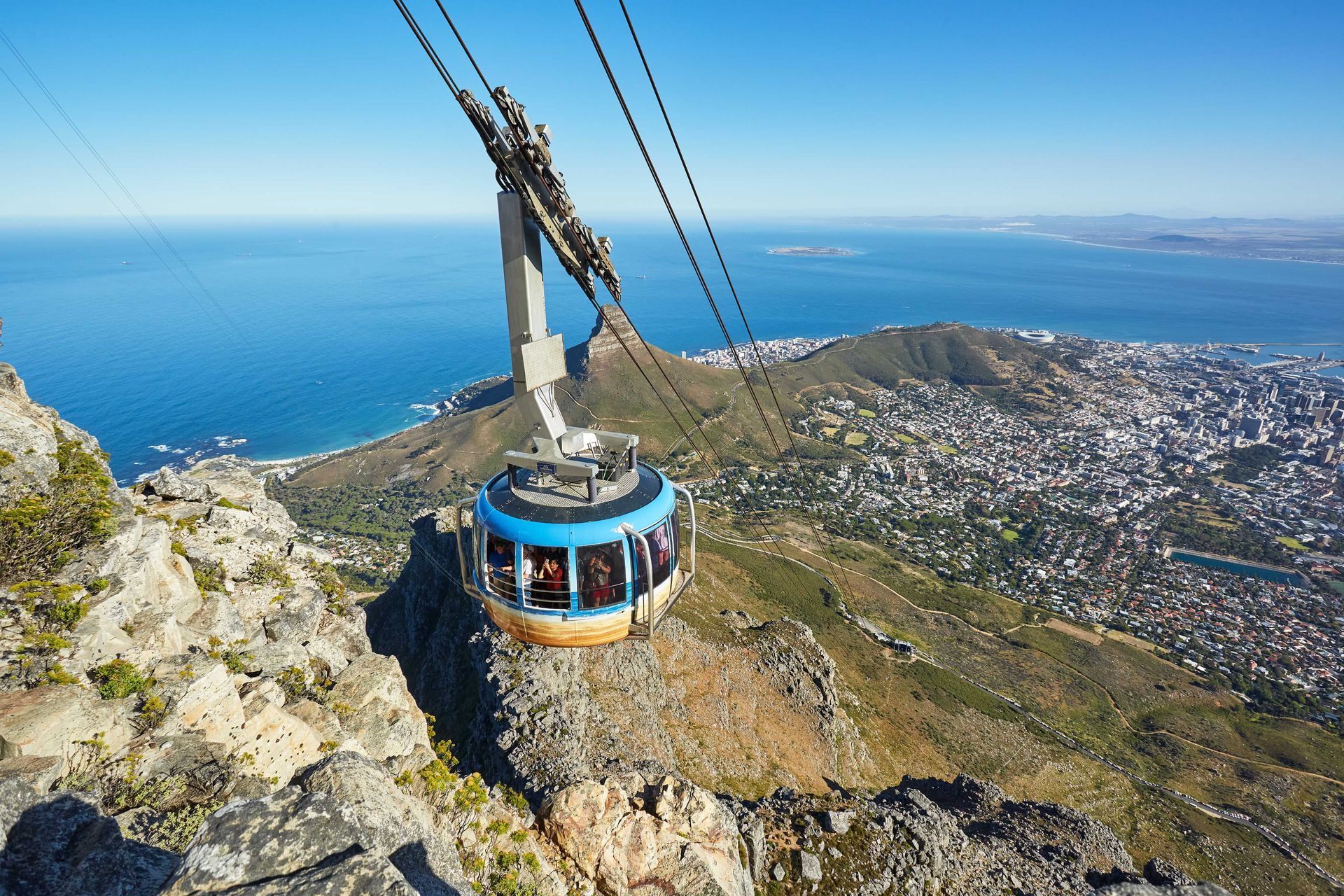
Since the first person gazed upon it, Table Mountain has captivated all who encounter it. Its dramatic sandstone plateau towers above the Cape Flats, with Maclears Beacon reaching 1,085 metres at its highest point, offering some of the best views of Cape Town. The Cableway takes visitors to the summit in under 10 minutes, with a rotating floor providing panoramic views of the city, ocean, and surrounding mountains.
The mountain’s steep cliffs and rocky outcrops are home to a remarkable variety of wildlife and plant life. With approximately 1,470 plant species, Table Mountain boasts more flora than the entire British Isles, including unique species like the famous Table Mountain Ghost Frog.
Recognised as one of South Africa’s most iconic landmarks, Table Mountain is a must-visit for nature lovers, hikers, and anyone seeking breathtaking vistas. Its combination of spectacular scenery, rich biodiversity, and world-famous status makes it an unforgettable experience in the heart of Cape Town.
Cape Peninsula National Park
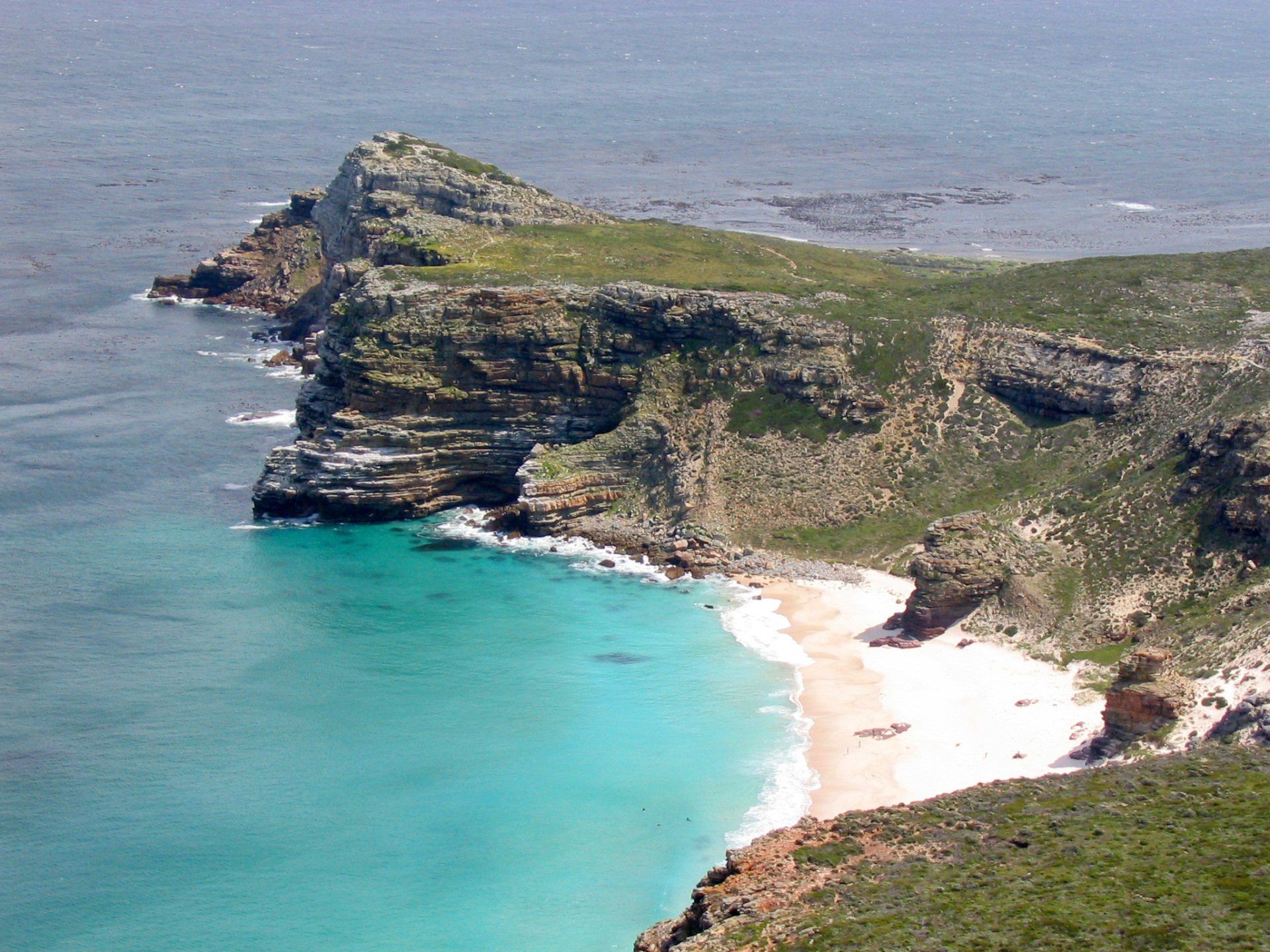
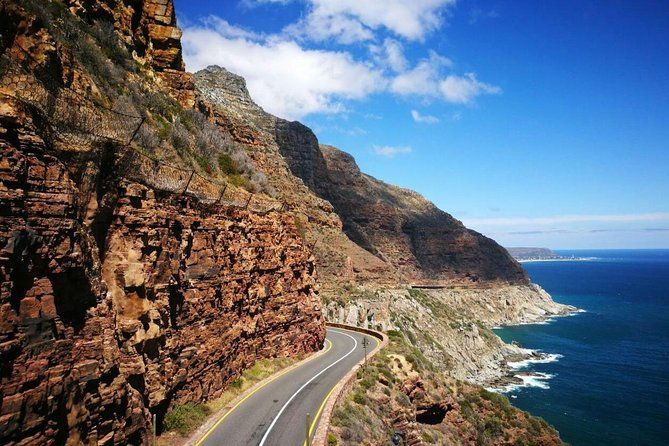
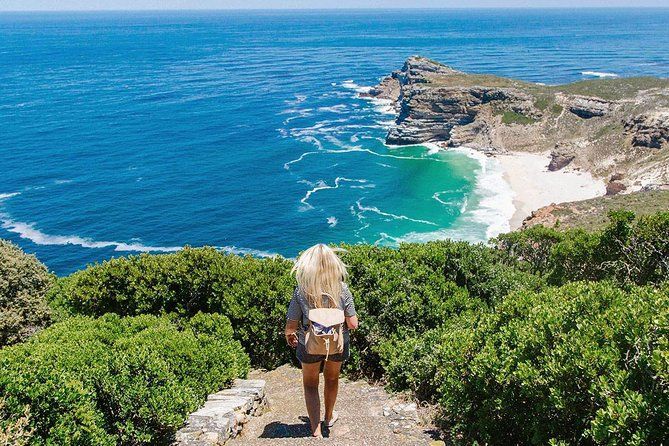
When Francis Drake sailed into Table Bay in 1580, he declared it “the fairest Cape we saw in the whole circumference of the Earth.” Over the centuries, it has been known as the
“Cape of Storms” and the
“Cape of Good Hope”, and later called the
“Tavern of the Seas” by sailors who relied on its fresh produce. Today, South Africans simply call it
“the Cape”, recognising its role as the Mother City of the nation.
The
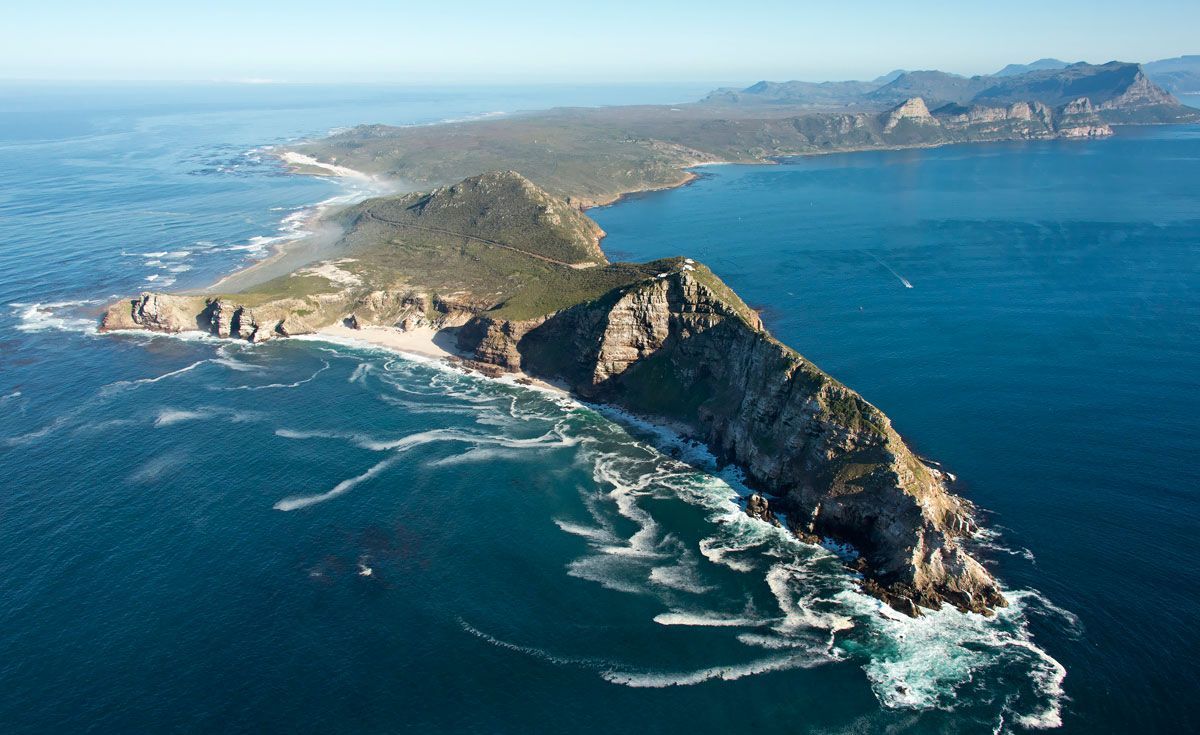
Cape Point Nature Reserve, part of
Table Mountain National Park, is a jewel of the Cape Peninsula. Spanning
7,750 hectares, it is part of one of the world’s floral kingdoms, with more plant species than the entire British Isles. Many are unique to the region, and 30 are threatened with extinction.
The reserve is not only a botanical treasure but also a wildlife haven. Visitors can encounter
baboons, wildebeest, mountain zebras, porcupines, ostriches, and a rich variety of birdlife, all set against the dramatic backdrop of cliffs, fynbos, and ocean vistas. It’s a place where nature, history, and adventure come together in one unforgettable experience.
WINELANDS
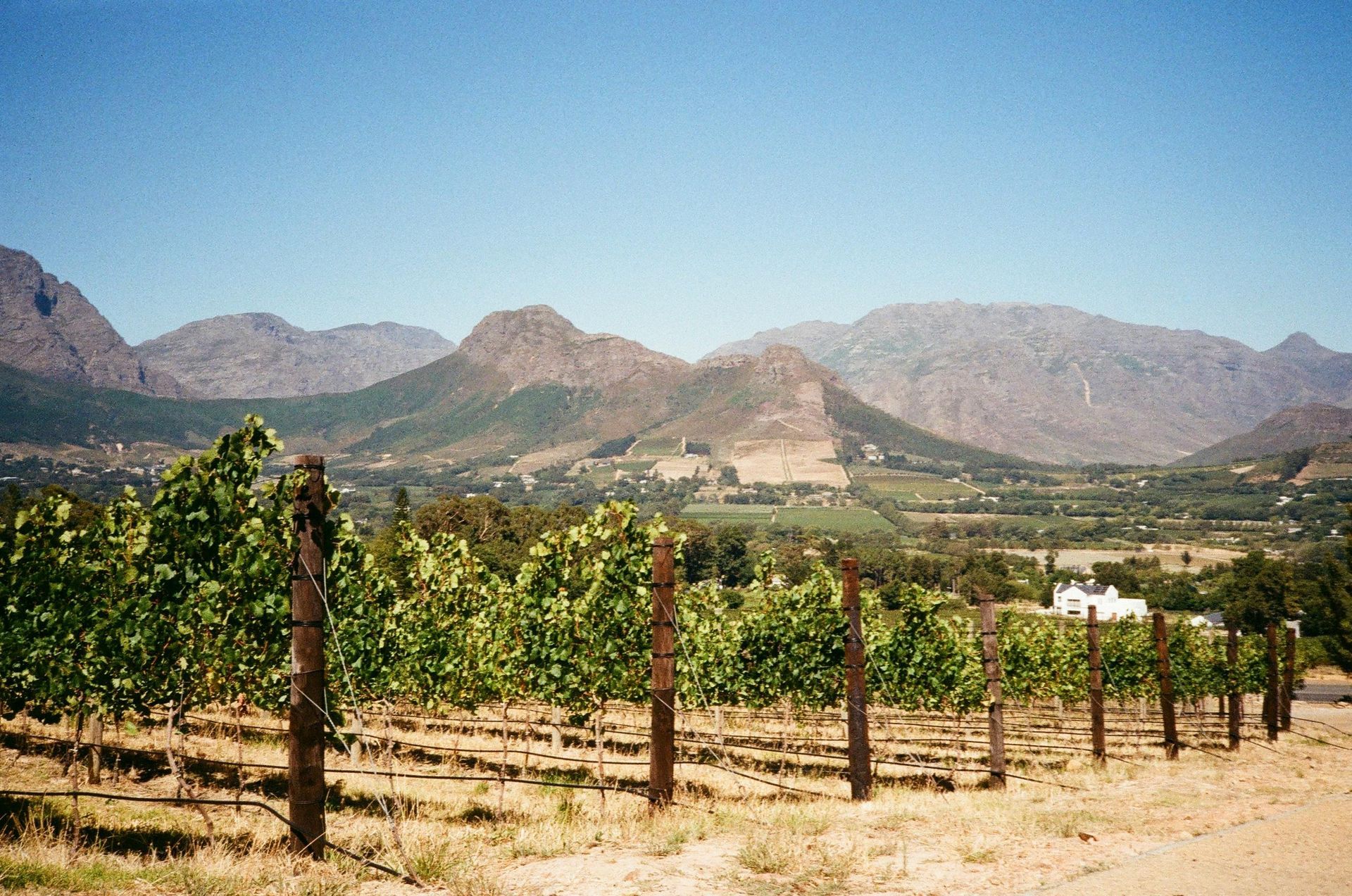
The Cape Winelands
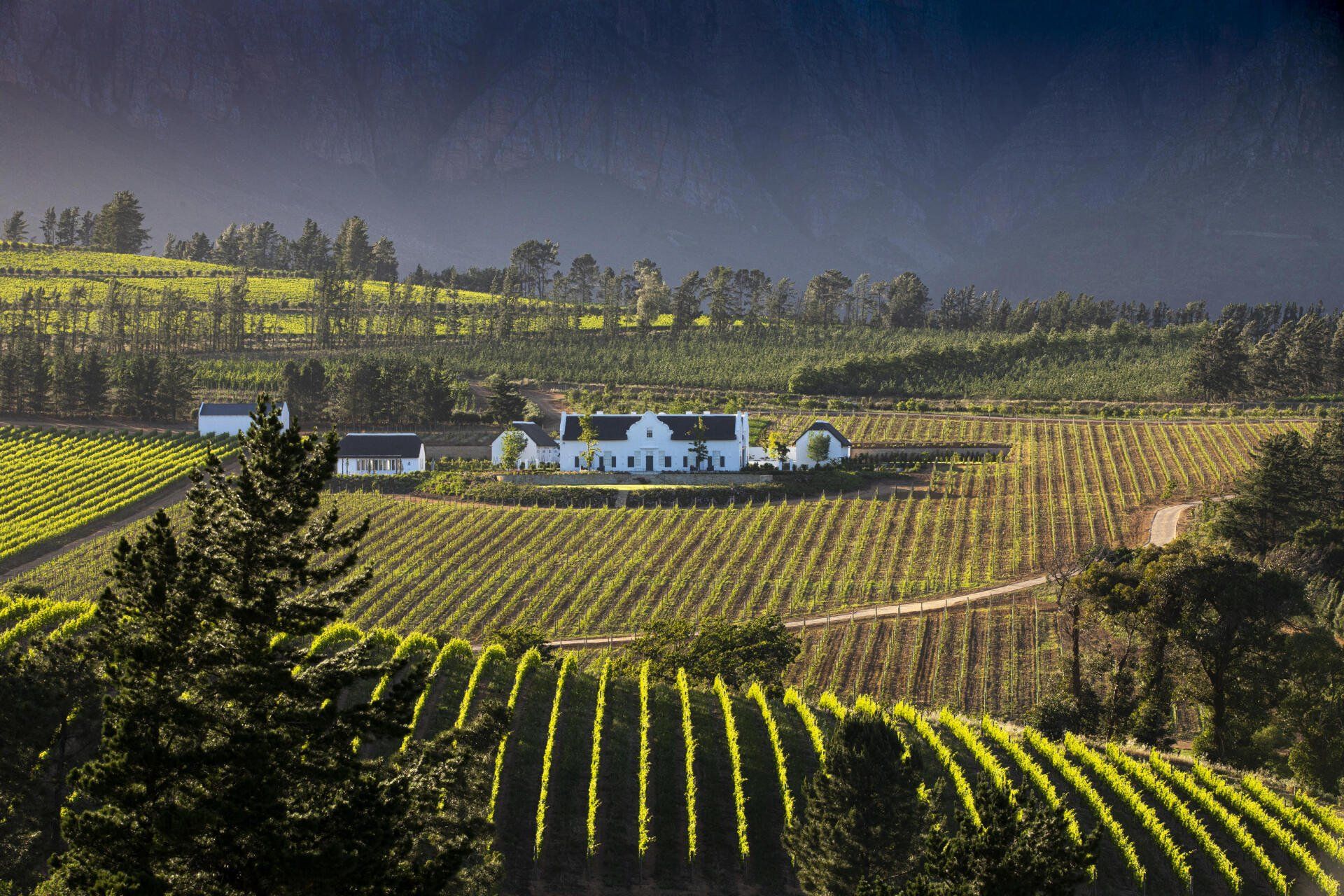
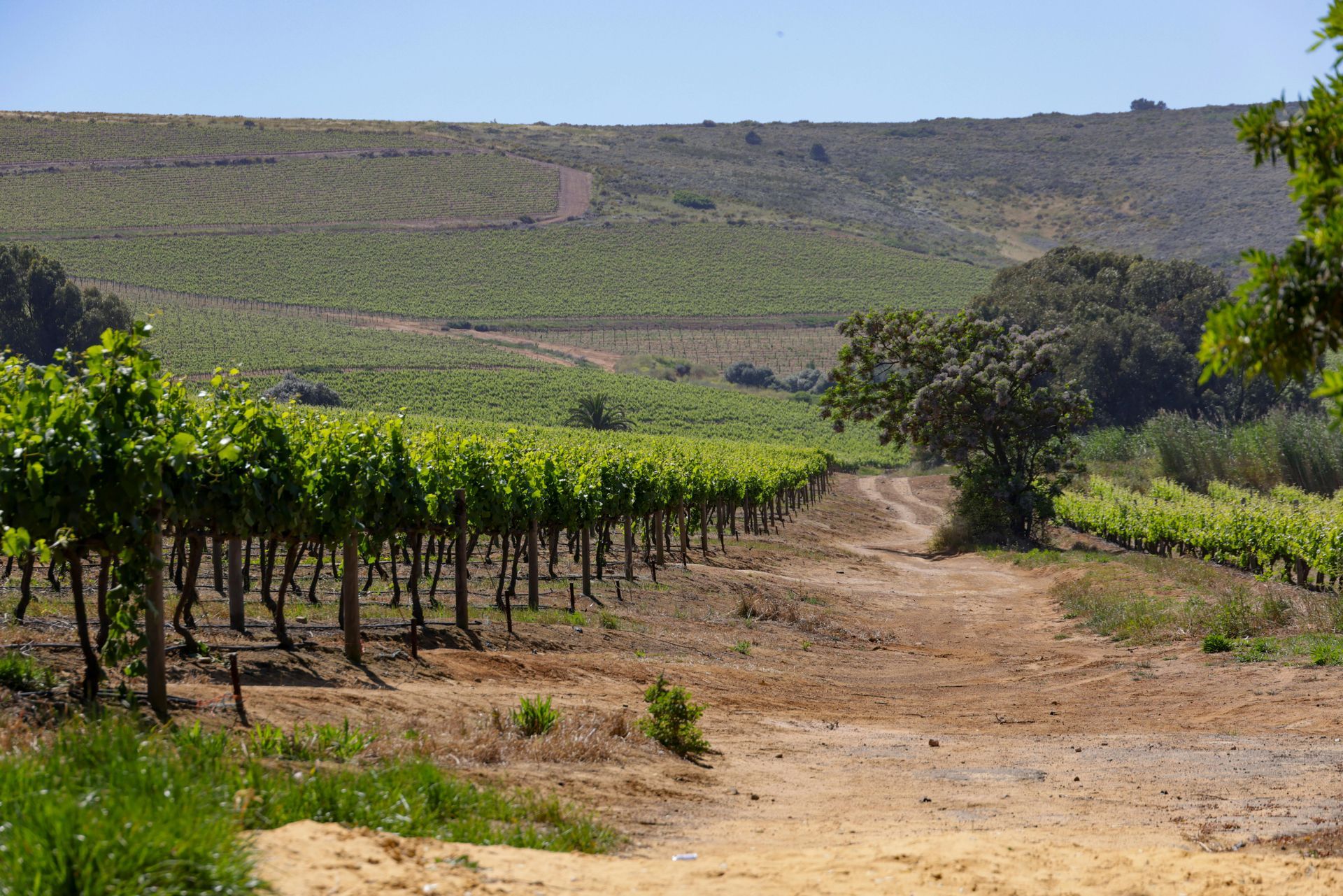
The Cape Winelands are among South Africa’s most treasured regions, famous for their
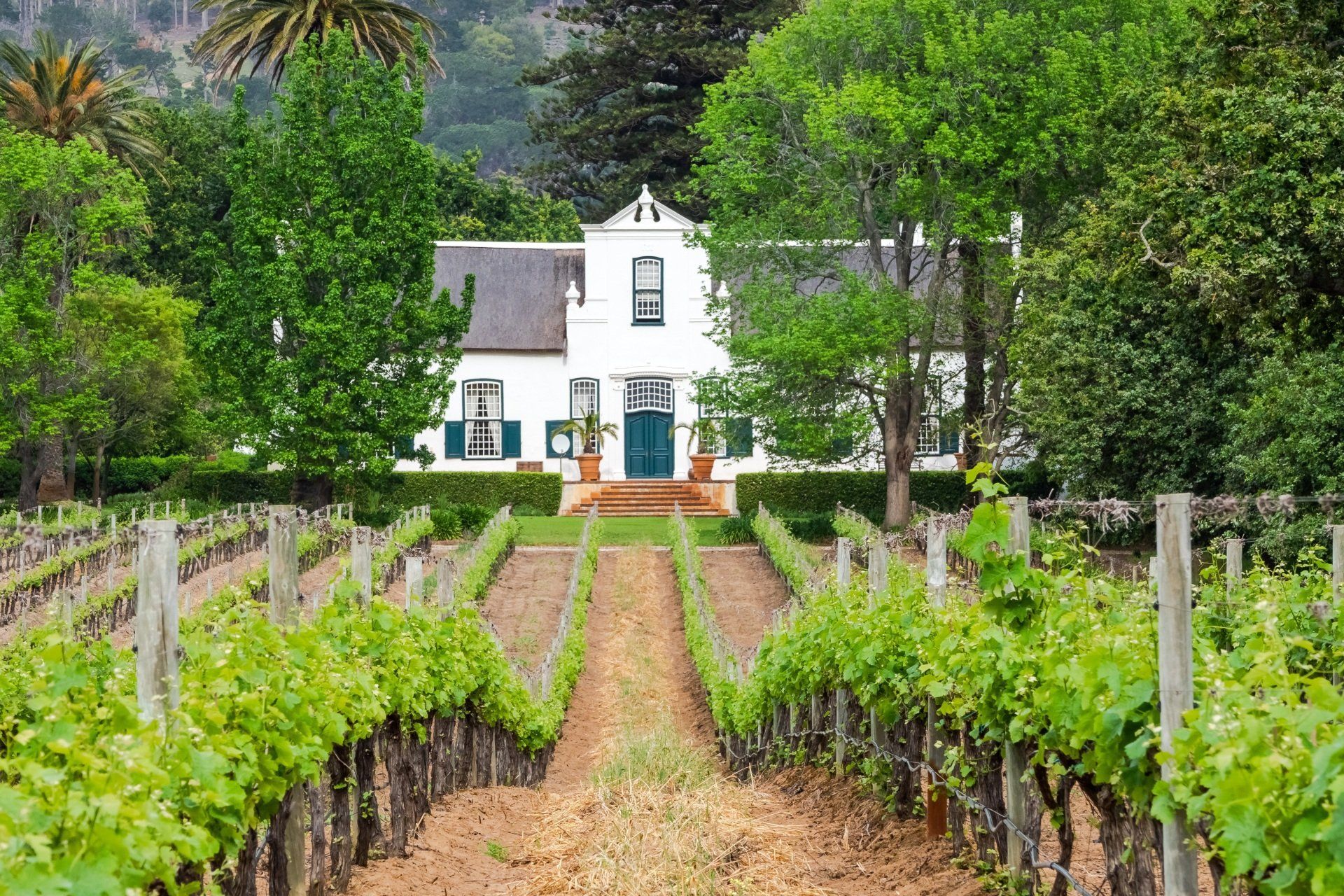
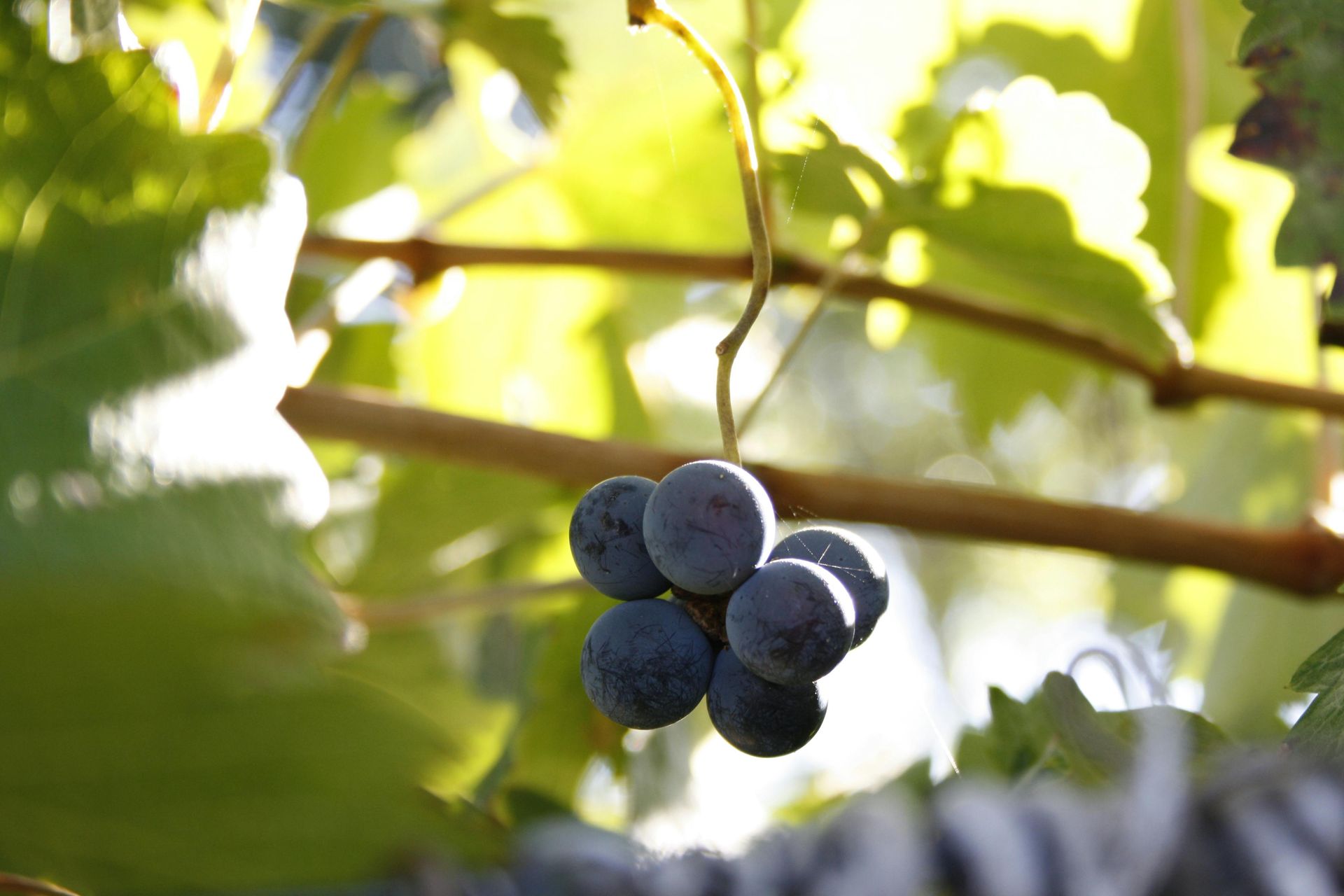
historic estates, scenic valleys, and world-class wines. The first vines arrived in 1655 from German, French, Spanish, and Bohemian vineyards, and by 1659, Jan van Riebeeck proudly recorded that wine had been made from Cape grapes for the first time.
Professional winemaking took off under
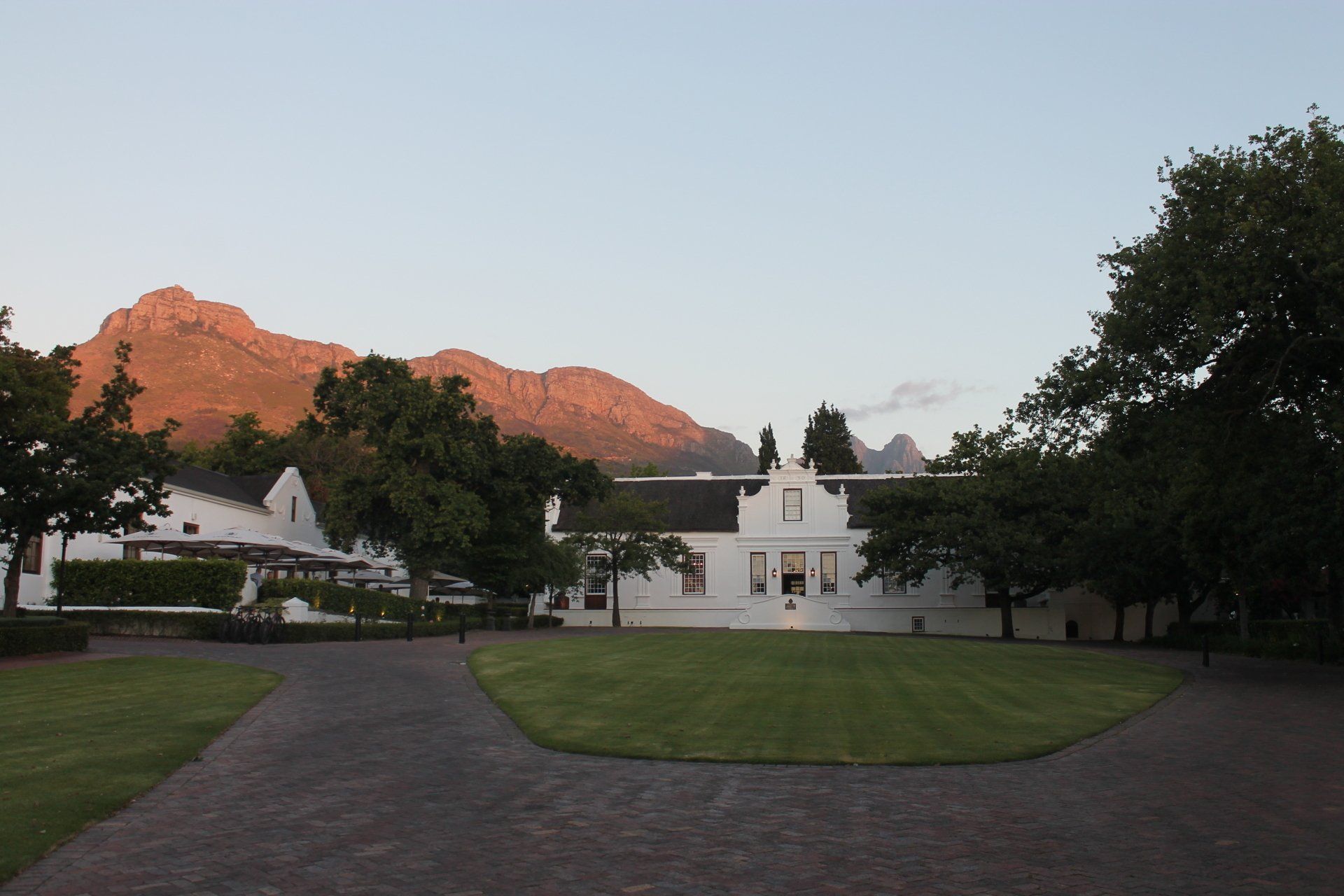
Simon van der Stel, who founded Stellenbosch, the second-oldest Dutch settlement in South Africa, nestled in a fertile valley east of Cape Town. The arrival of
Huguenot refugees in Franschhoek between 1688 and 1690 further boosted the industry, establishing a wine-growing tradition that remains world-renowned today.
Despite challenges such as the phylloxera epidemic in the late 19th century, South African winemakers revived production by importing resistant vines from America, restoring the vineyards by 1918. Today, the Cape Winelands remain a
vibrant blend of history, culture, and exceptional wine experiences, attracting visitors from around the world.
Stellenbosch
Named after Governor
Simon van der Stel (“Van der Stel’s Bosch”), Stellenbosch was first visited in 1679 when it was known as Wildenbosch. Captivated by the fertile soil and stunning scenery, van der Stel granted the first colonists farms that same year. Today, Stellenbosch is the
second-oldest town in South Africa, located about 50 km from Cape Town.
The town is a cornerstone of the
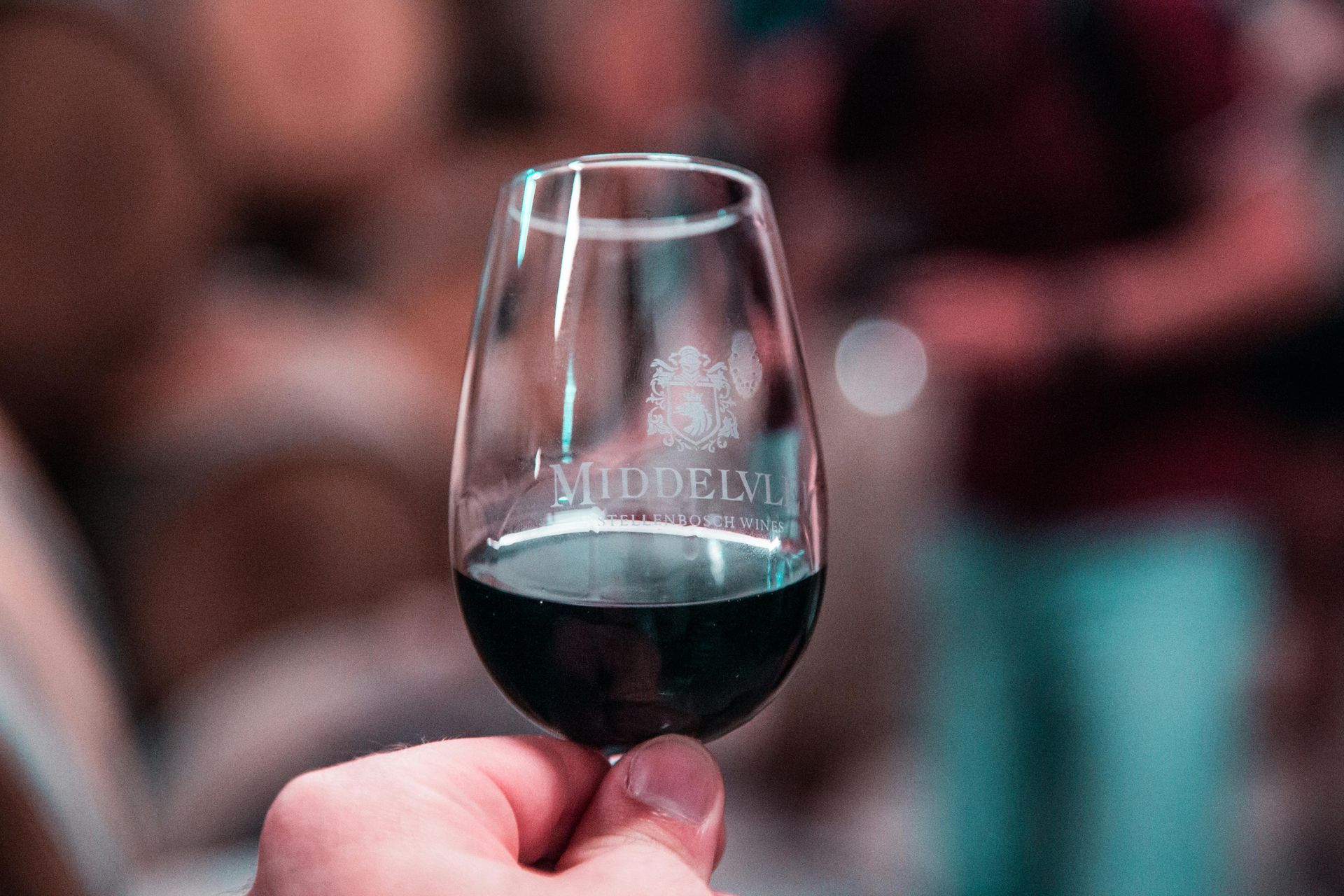
South African wine industry, attracting visitors with its historic
Cape Dutch architecture and charming streets.
Dorp Street is particularly famous, lined with national monuments and landmarks such as the iconic
Oom Samie’s Winkel.
Known as the
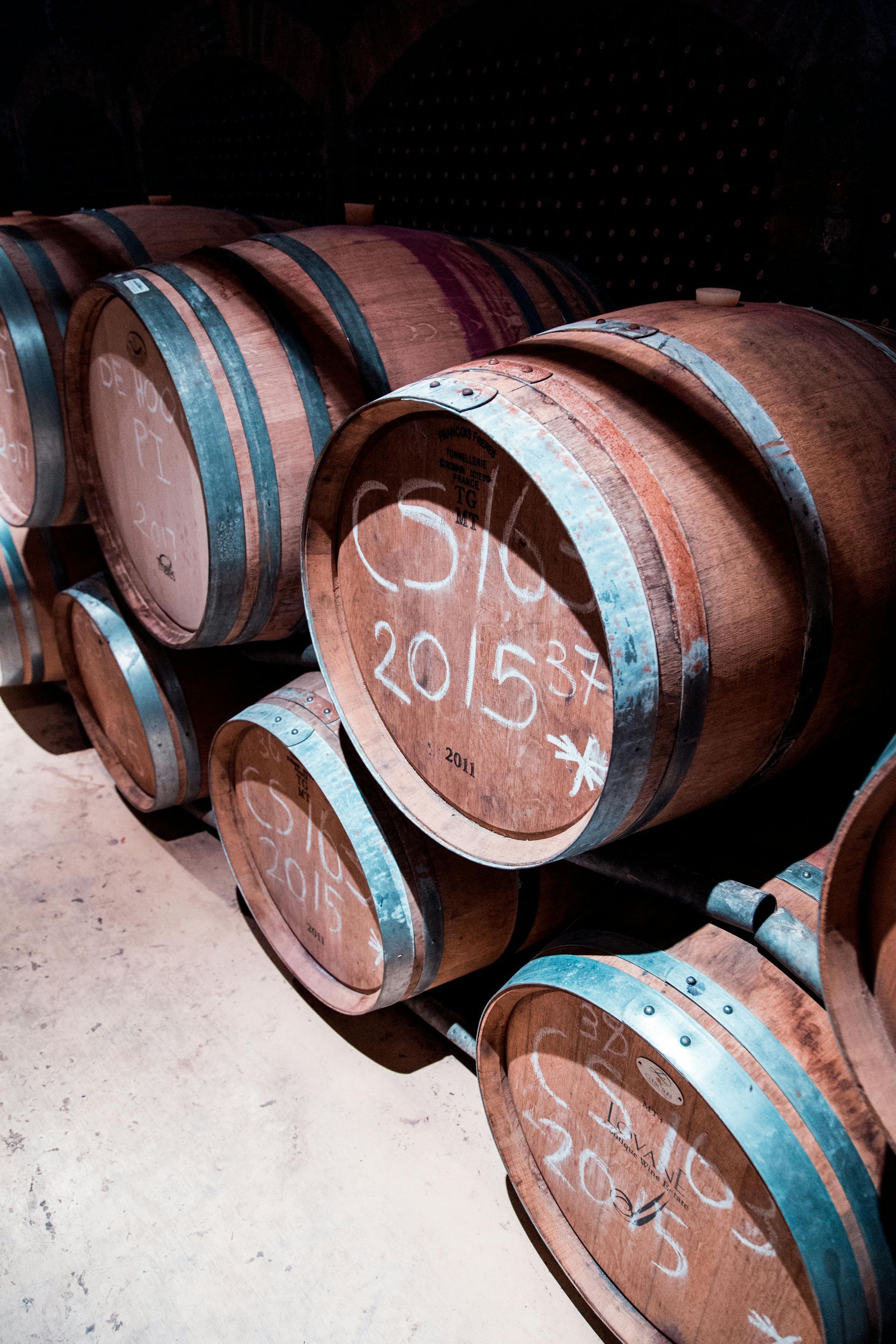
“Eikestad” (Oak City) for its many oak trees, Stellenbosch retains a strong connection to its agricultural roots. Although the European oaks grew too quickly for wine barrels, they now add to the town’s scenic charm, making it a must-visit destination for history, culture, and wine lovers alike.
Franschhoek
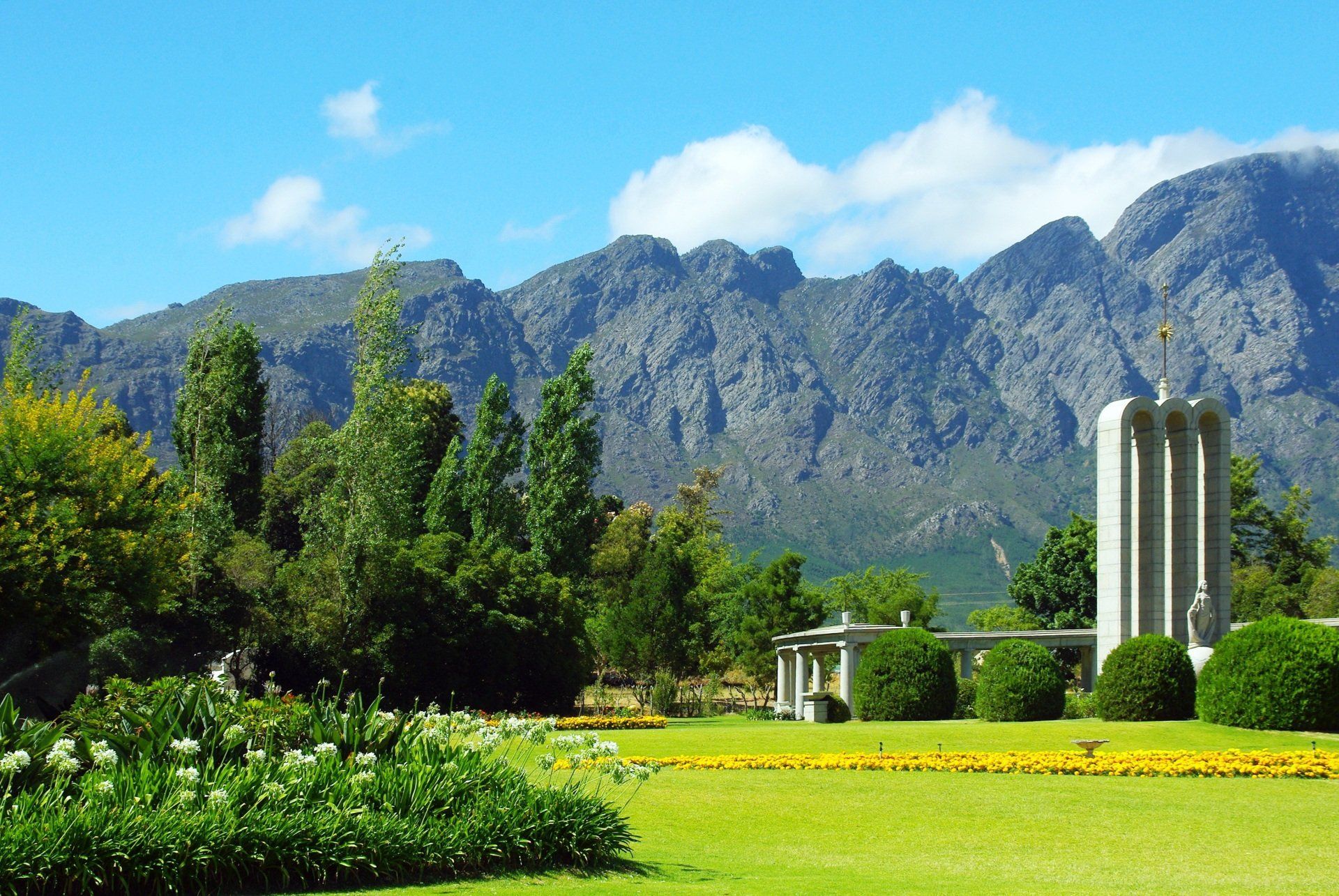
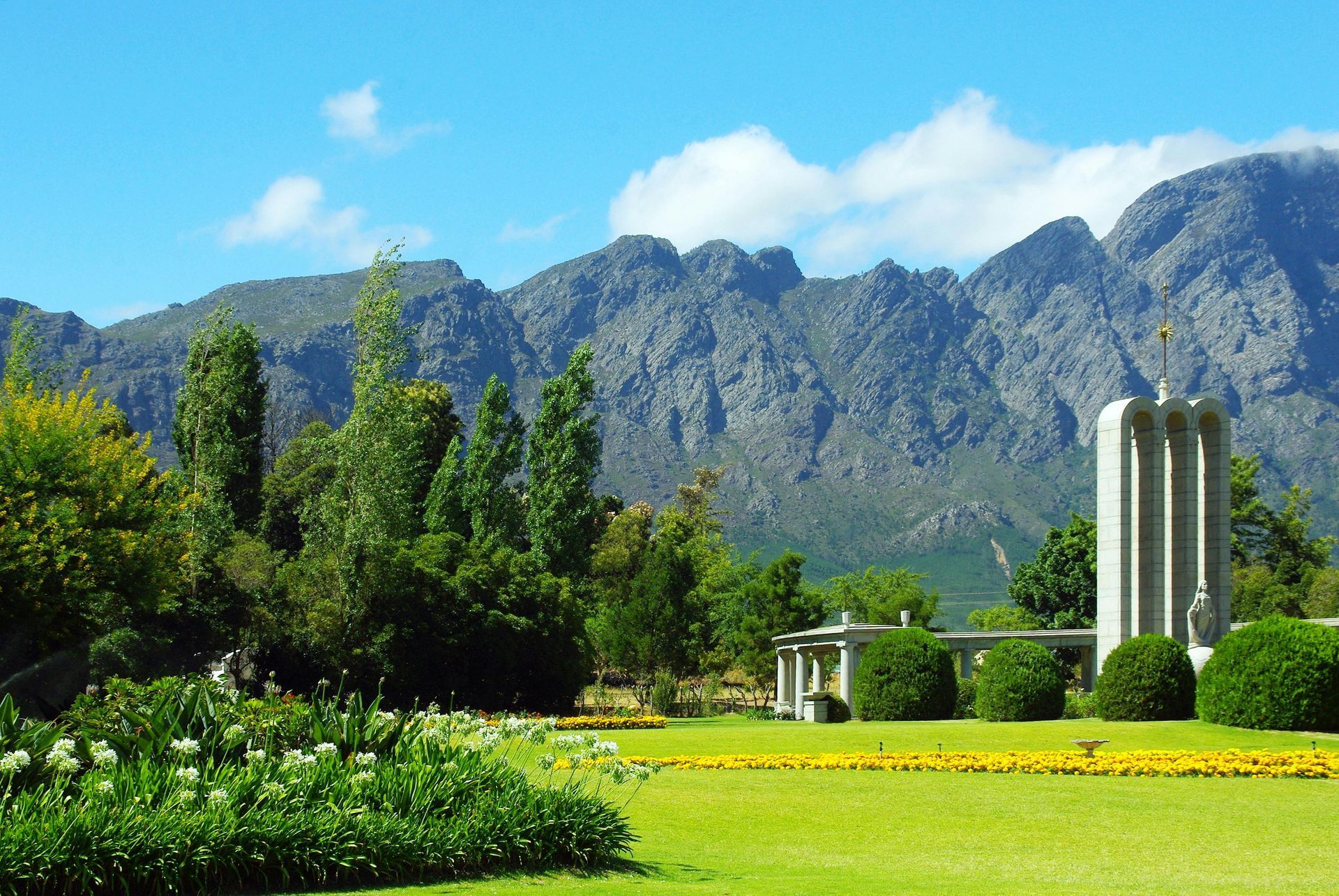
Nestled in the Cape Winelands,
Franschhoek was named after the
French Huguenots who settled here in the late 17th century, bringing their expertise in
vine cultivation and winemaking. Surrounded by the stunning
Drakenstein and Olifantshoek mountains, the valley became known as the “French Corner.”
Today, Franschhoek is celebrated for its historic estates, world-class wines, and charming streets, making it one of South Africa’s most picturesque and beloved destinations.
Paarl
Surrounded by
mountains and vineyards, Paarl sits on the banks of the
Berg River and is a thriving commercial centre. The town itself includes vineyards and wineries, including the
Koöperatieve Wijnbouwers Vereniging, a co-operative that has long shaped the South African wine industry.
Founded in
1720 after European settlers arrived in the surrounding valley in the 1680s, Paarl boasts beautiful
Cape Dutch architecture and monuments celebrating
Afrikaner culture.
The town is also historically significant as a hub for
wagon building and, most importantly, for its role in the
development and recognition of Afrikaans as a distinct language. Today, Paarl combines rich heritage, scenic beauty, and wine culture, making it a must-visit destination in the Cape Winelands.
West Coast
West Coast National Park
North of
Yzerfontein, the
West Coast National Park spans
18,000 hectares and includes the scenic
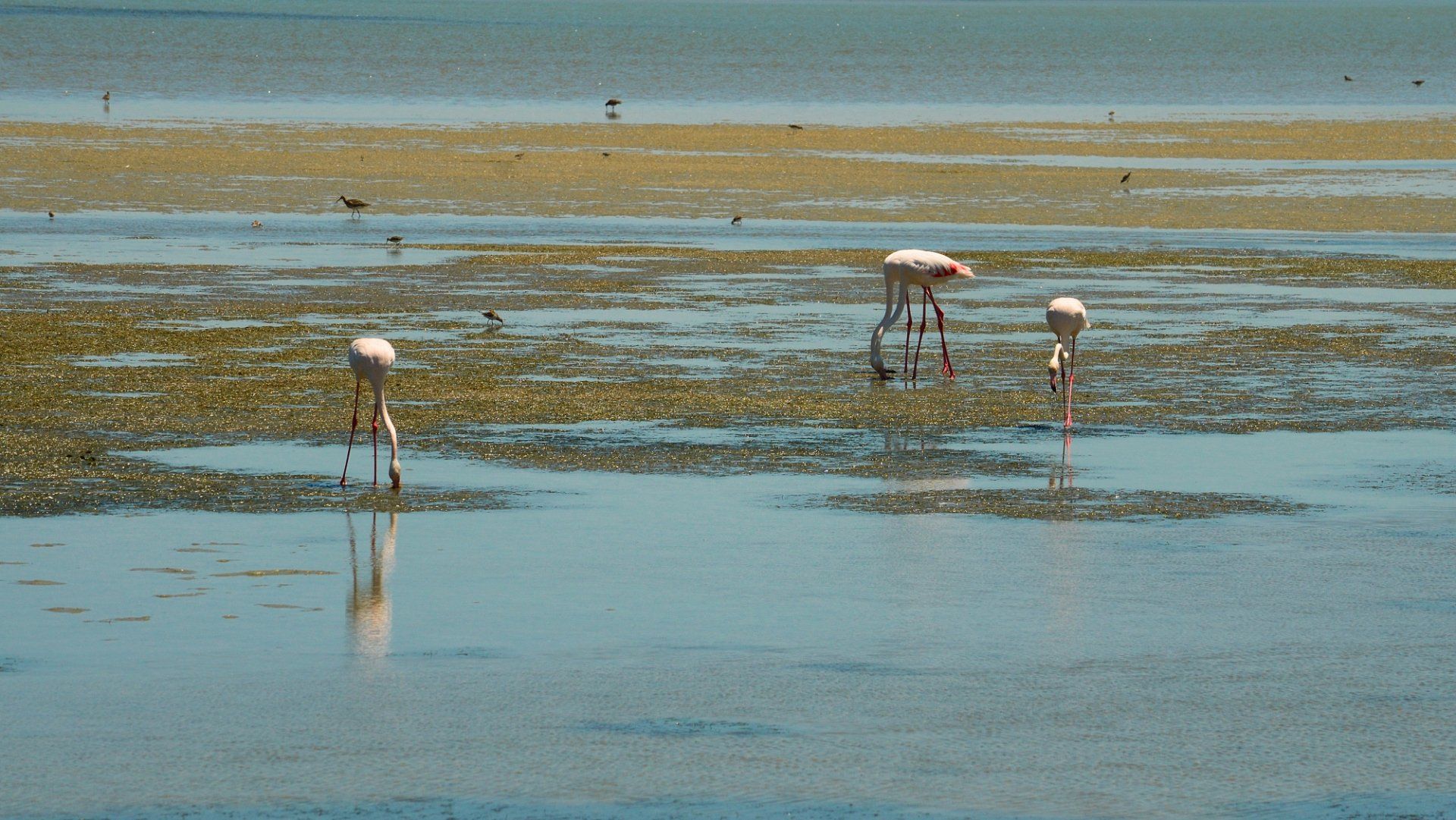
Langebaan Lagoon and nearby islands, home to seabirds like
gannets, flamingos, and cormorants. Summer brings Arctic migrants such as the
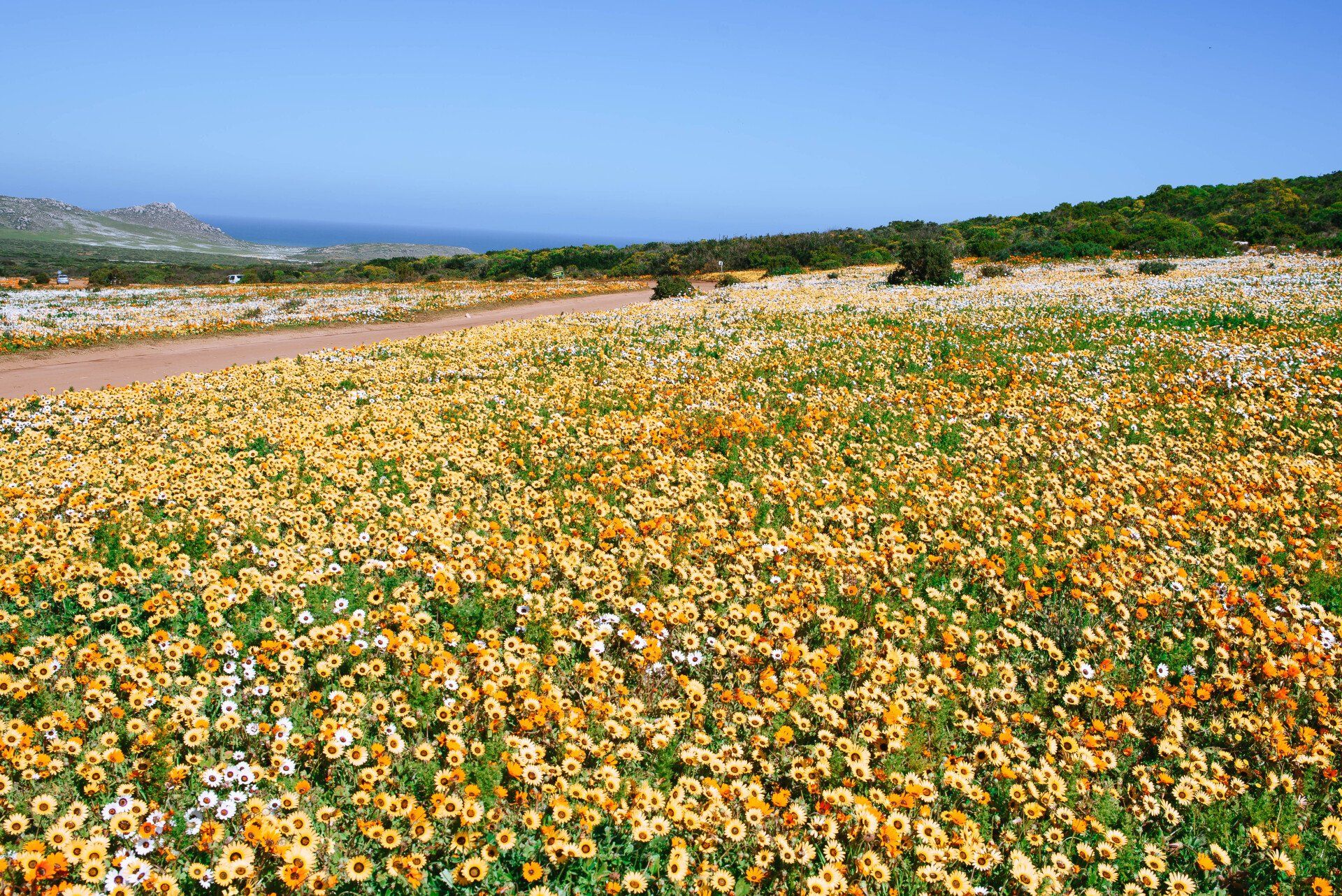
Curlew Sandpiper, while spring dazzles with vibrant
wildflowers.
The park also offers sightings of
wildebeest and other wildlife, with the
Postberg section opening during flower season. With its mix of dramatic coastline, rich birdlife, and colourful blooms, the park is a must-visit nature destination.
Clanwilliam
Clanwilliam lies at the heart of flower routes, hiking trails, and rock art sites. Known for Rooibos farming, fruit, vegetables, and sheep, the town also features the famous veldskoen factory. The Clanwilliam Dam Resort is popular for water sports and fishing, while Ramskop Nature Reserve showcases endemic wildflowers, especially in August and September.
Namaqualand & Flowers
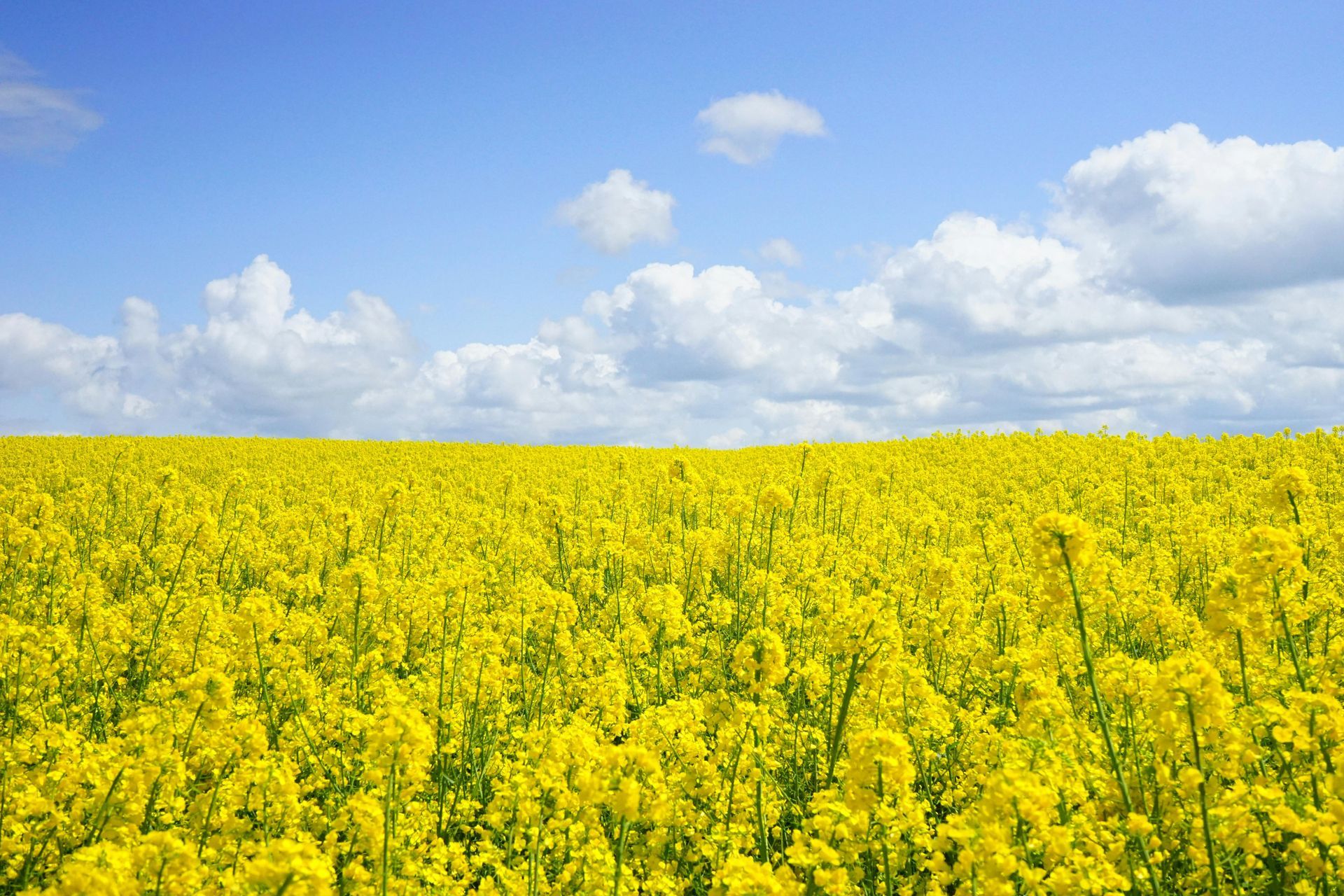
he West Coast region skirts the Atlantic Ocean from Bloubergstrand just north of Cape town and the provincial border between the Northern Cape and the Western Cape. Namaqualand is a strip of land famous for its spectacular fields of flowers in spring (July – September) and is considered one of the natural wonders in the world.
This is paragraph text. Click it or hit the Manage Text button to change the font, color, size, format, and more. To set up site-wide paragraph and title styles, go to Site Theme.