
The Garden Route
The Garden Route stretches along the coastal region of the Western and Eastern Cape, running from Still Bay in the west to Plettenberg Bay in the east. This famous route features a mix of landscapes, from indigenous forests and peaceful lagoons to long, sandy beaches. Its mild climate and year-round rainfall create the lush, “garden-like” scenery it’s known for.
The Garden Route is also a popular travel corridor leading to Port Elizabeth and the malaria-free game reserves further north, making it one of South Africa’s most scenic and versatile journeys.
Knysna
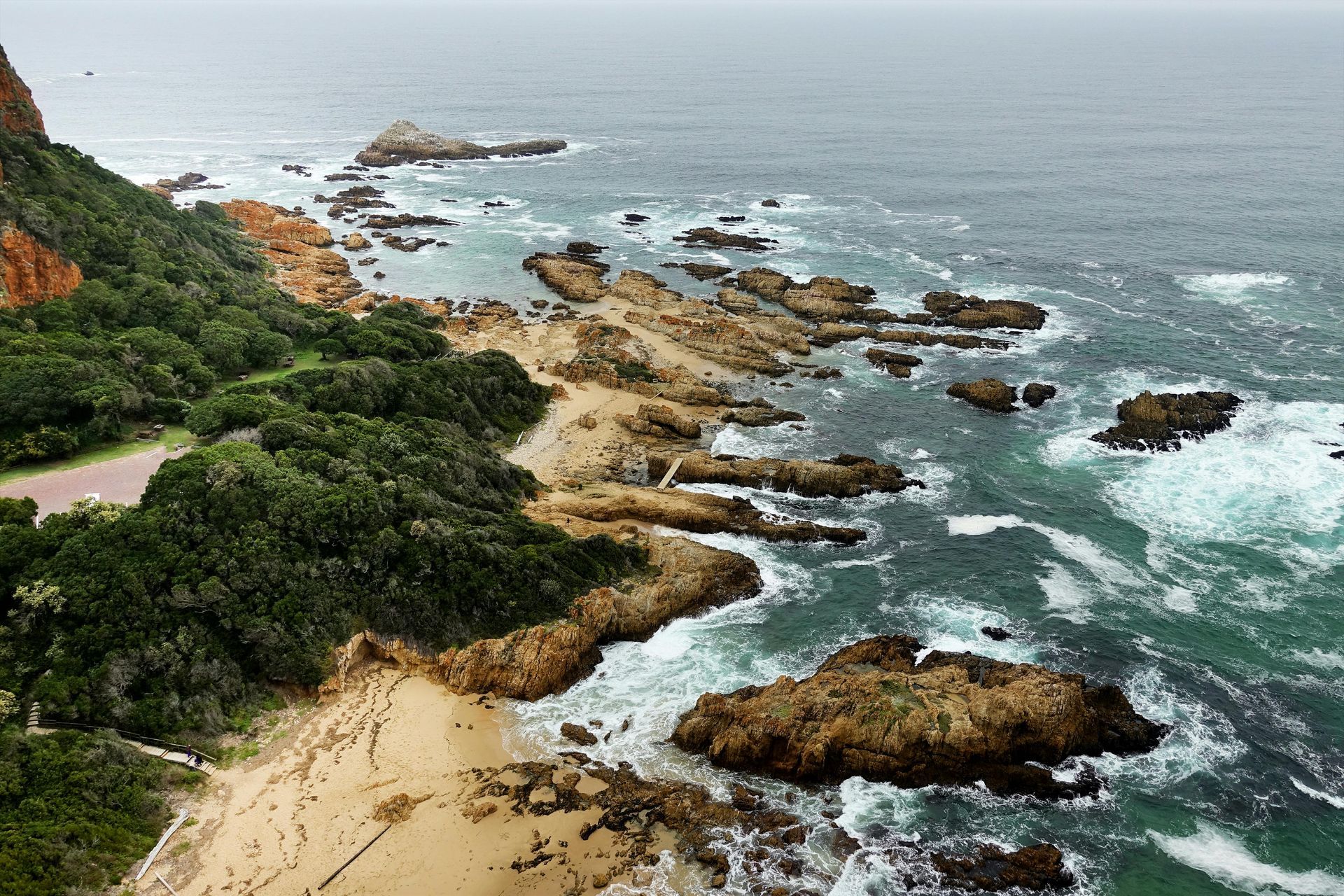
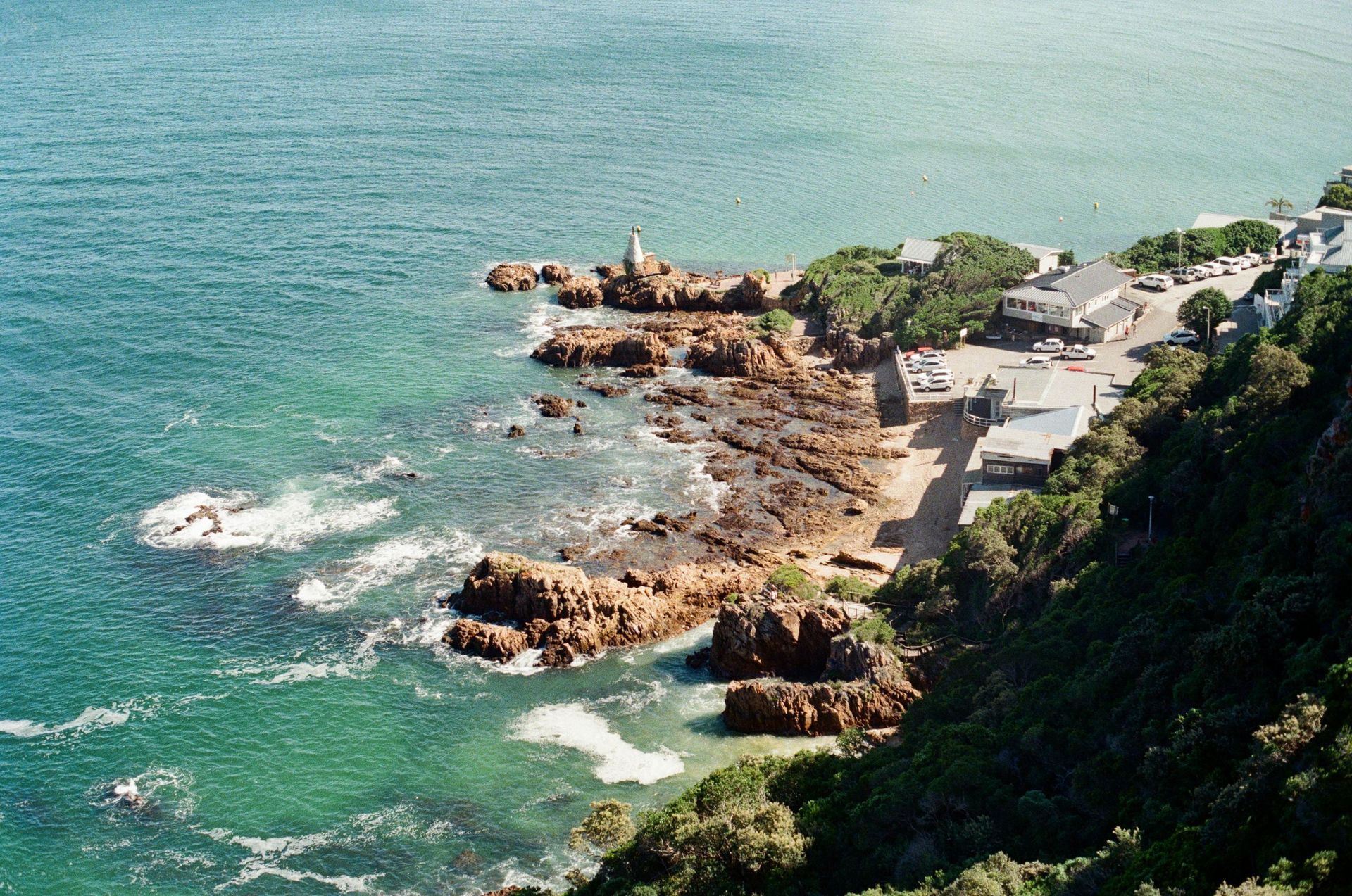
Knysna is often called the “pearl” of the Garden Route, thanks to its stunning natural setting. The town rests along a 13 km² lagoon that meets the ocean through a narrow passage between two dramatic cliffs known as The Heads.
Water sports are popular on the lagoon, and the area is famous for its delicious oysters. Surrounding the water are lush pine plantations and pockets of indigenous forest, creating a peaceful, scenic backdrop for this picturesque town.
Mossel Bay
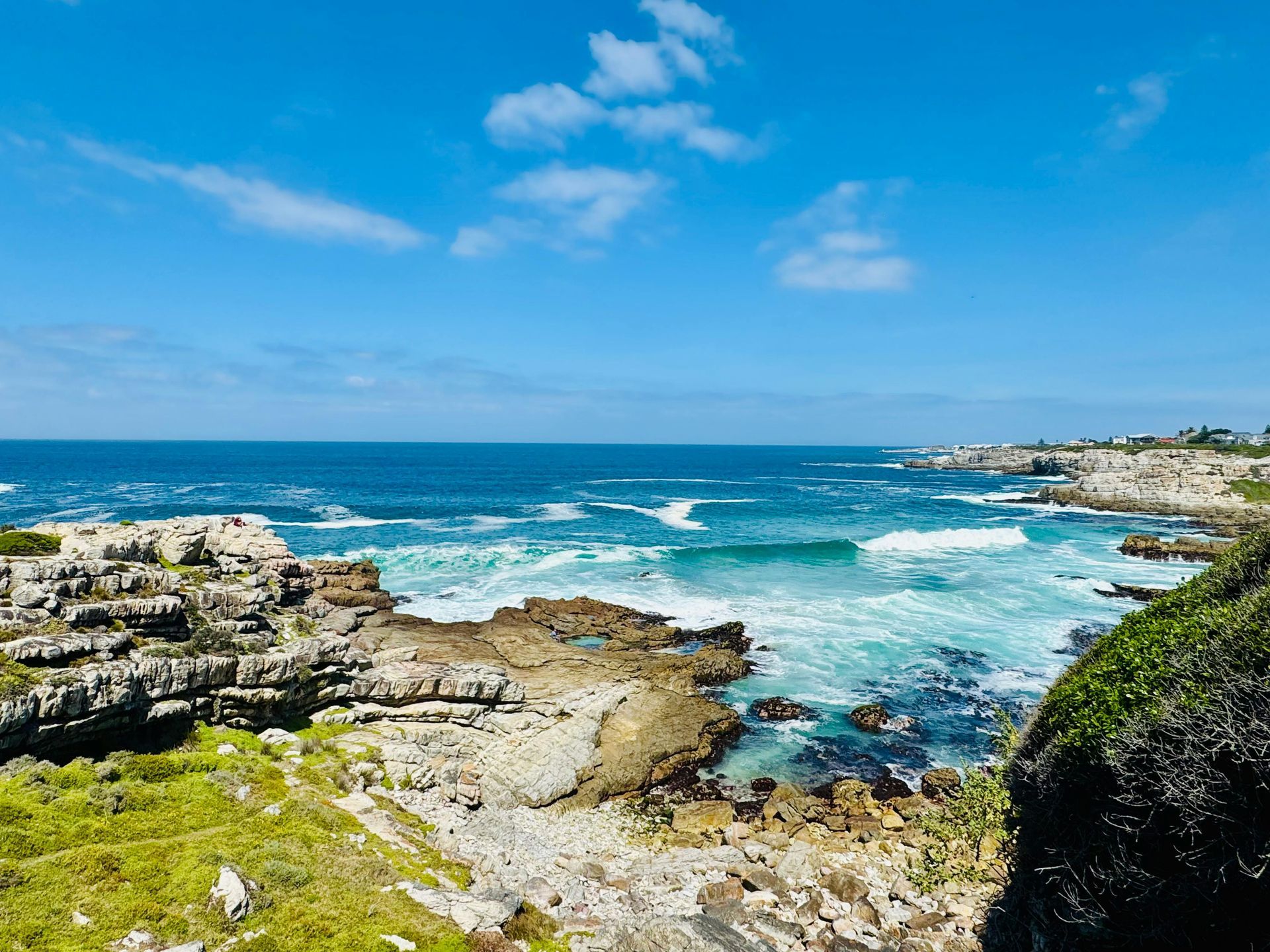
Mossel Bay was first visited by Portuguese explorers Bartholomeu Dias in 1488 and Vasco da Gama in 1497. It soon became a regular stopover for sailors collecting fresh water, trading for supplies, and leaving messages at what became an early “post office” point.
Today, this “Jewel of the Garden Route” is a peaceful coastal resort known for its old sandstone buildings. Modern harbour facilities and an oil refinery have expanded the town, but its relaxed charm remains.
Plettenburg Bay
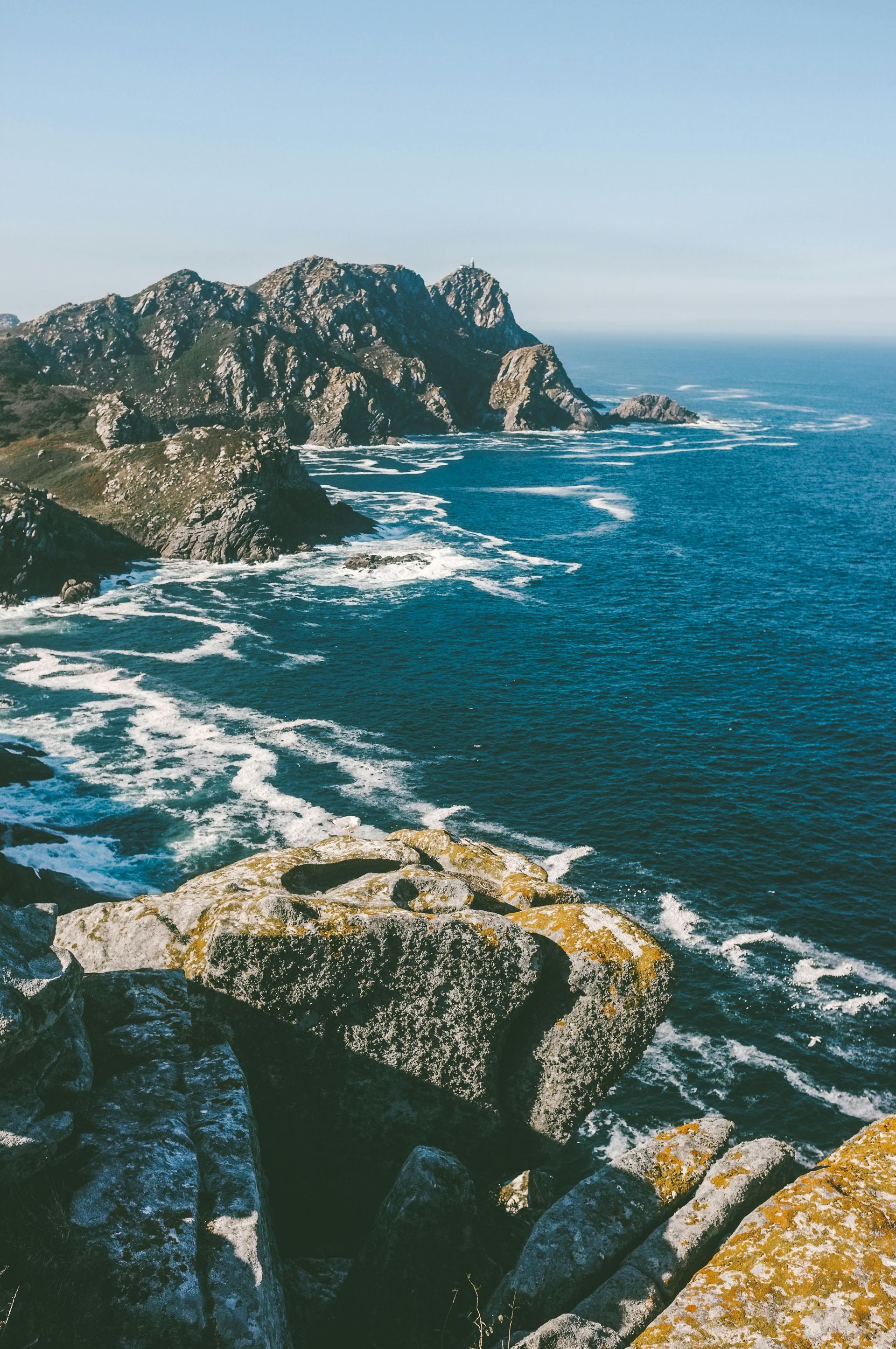
Plettenberg Bay has become one of South Africa’s most sought-after holiday destinations, expanding steadily over the past few years. It was also the site of the first recorded white “settlement” in the country, after a Portuguese ship was wrecked there in 1630 and its crew lived in the bay for about eight months.
In the mid-1800s, the area served as a whaling station for a Norwegian company. Today, Plettenberg Bay is celebrated for its pristine beaches, mild climate, and breathtaking coastal scenery.
Wilderness
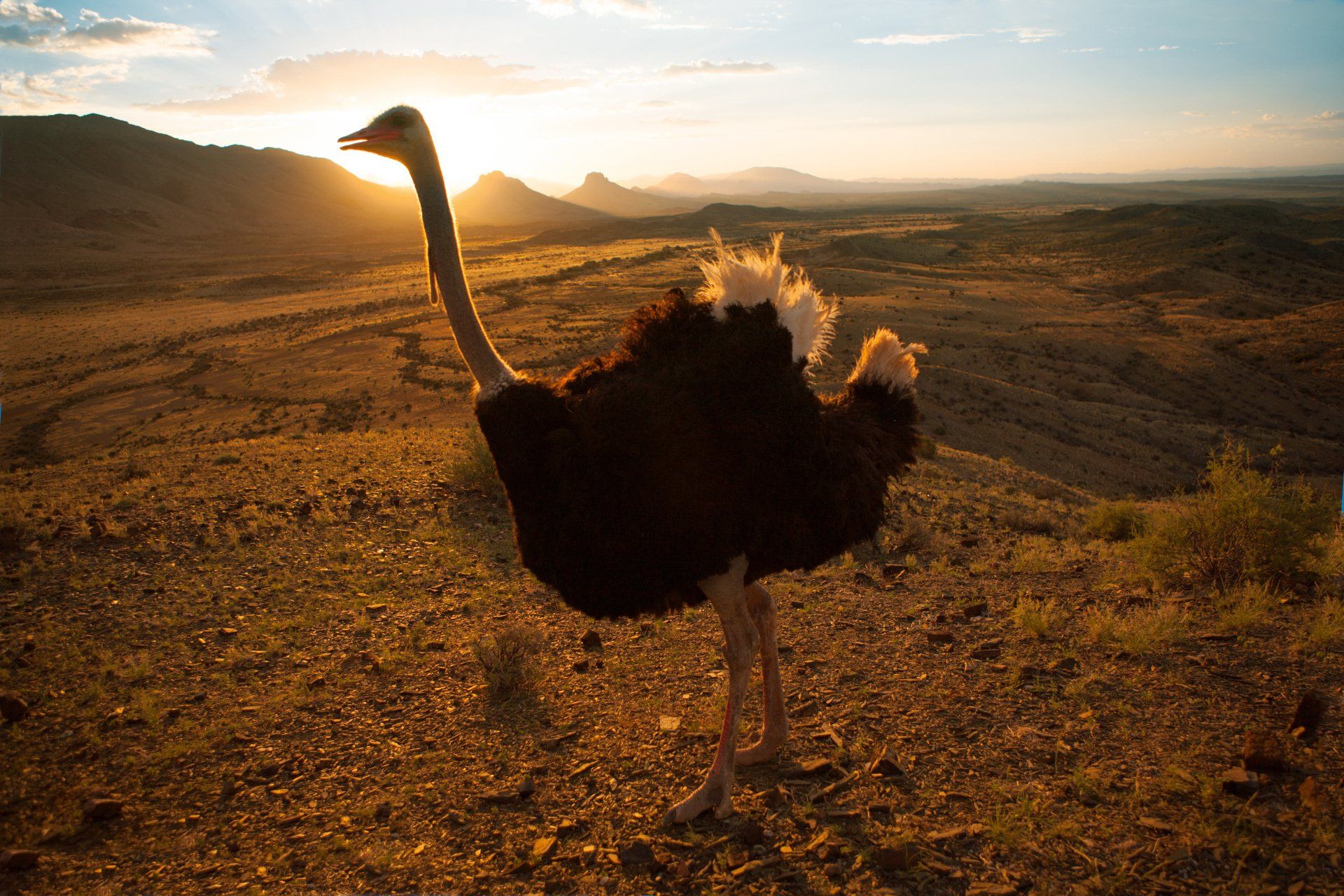
The Wilderness National Lake Area is South Africa’s first nationally proclaimed lake district. The town of Wilderness itself is a peaceful seaside village, just a short walk from long sandy beaches and located at the mouth of the Touws River. Nowhere along the Garden Route is the region’s natural beauty and close connection to nature more evident than in Wilderness.
Wilderness National Park
Wilderness National Park lies in the heart of the Garden Route, where rivers, lakes, estuaries and long beaches meet lush forests and towering mountains. In spring, the landscape bursts into colour with vibrant wildflowers, adding even more beauty to this already spectacular setting.
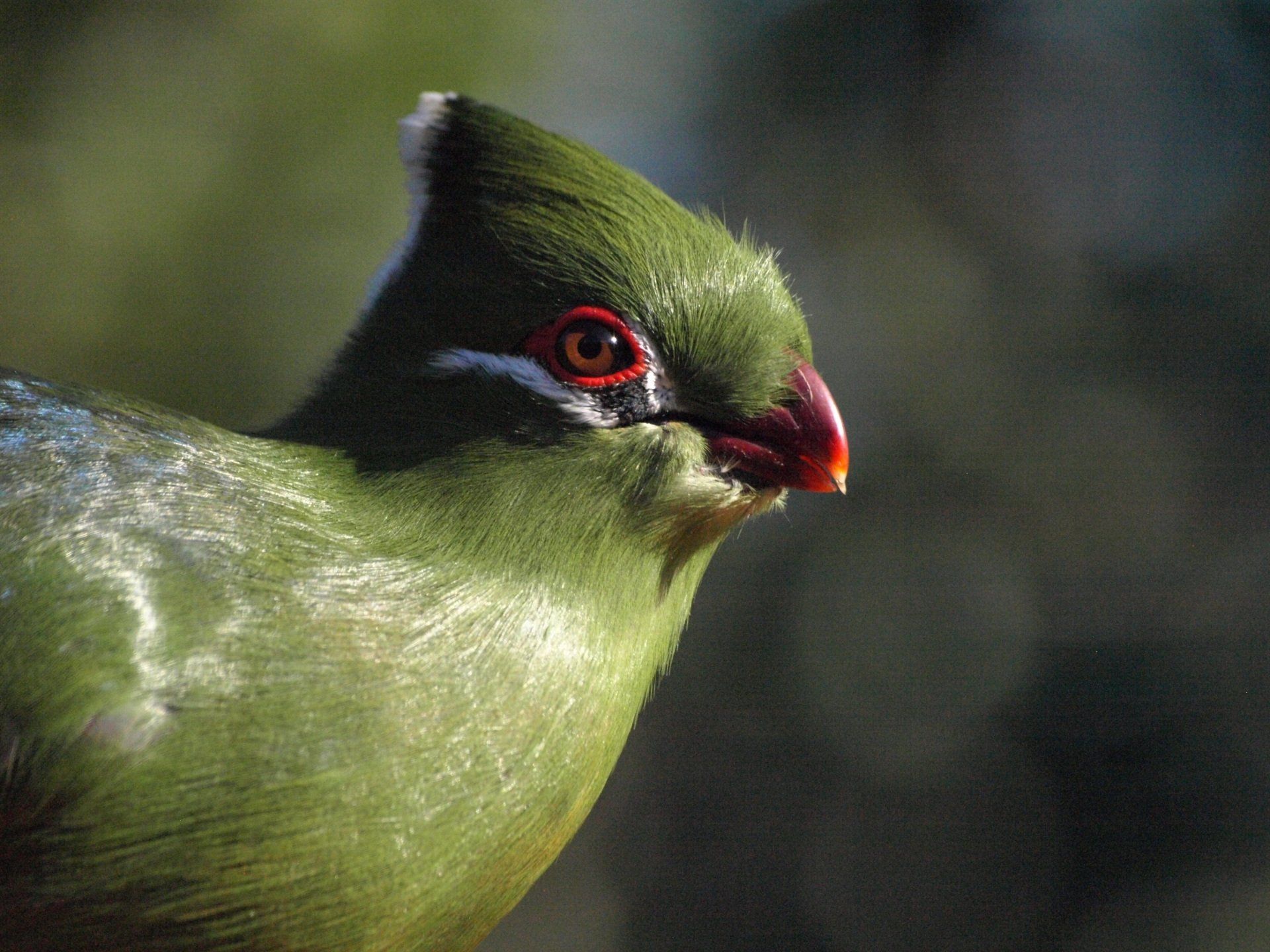
Nestled between George and Knysna, the park protects three major indigenous forest zones, four types of fynbos, and a network of lakes and winding waterways. It is also home to several important archaeological sites. The connected lakes of Eilandvlei, Langvlei and Rondevlei—linked by the Touw River—form a Ramsar-designated wetland rich in aquatic life. Bird enthusiasts can spot five types of kingfisher, grey herons, little egrets, and the striking Knysna Loerie. The rare Knysna Seahorse and delicate pansy shell also call this area home.
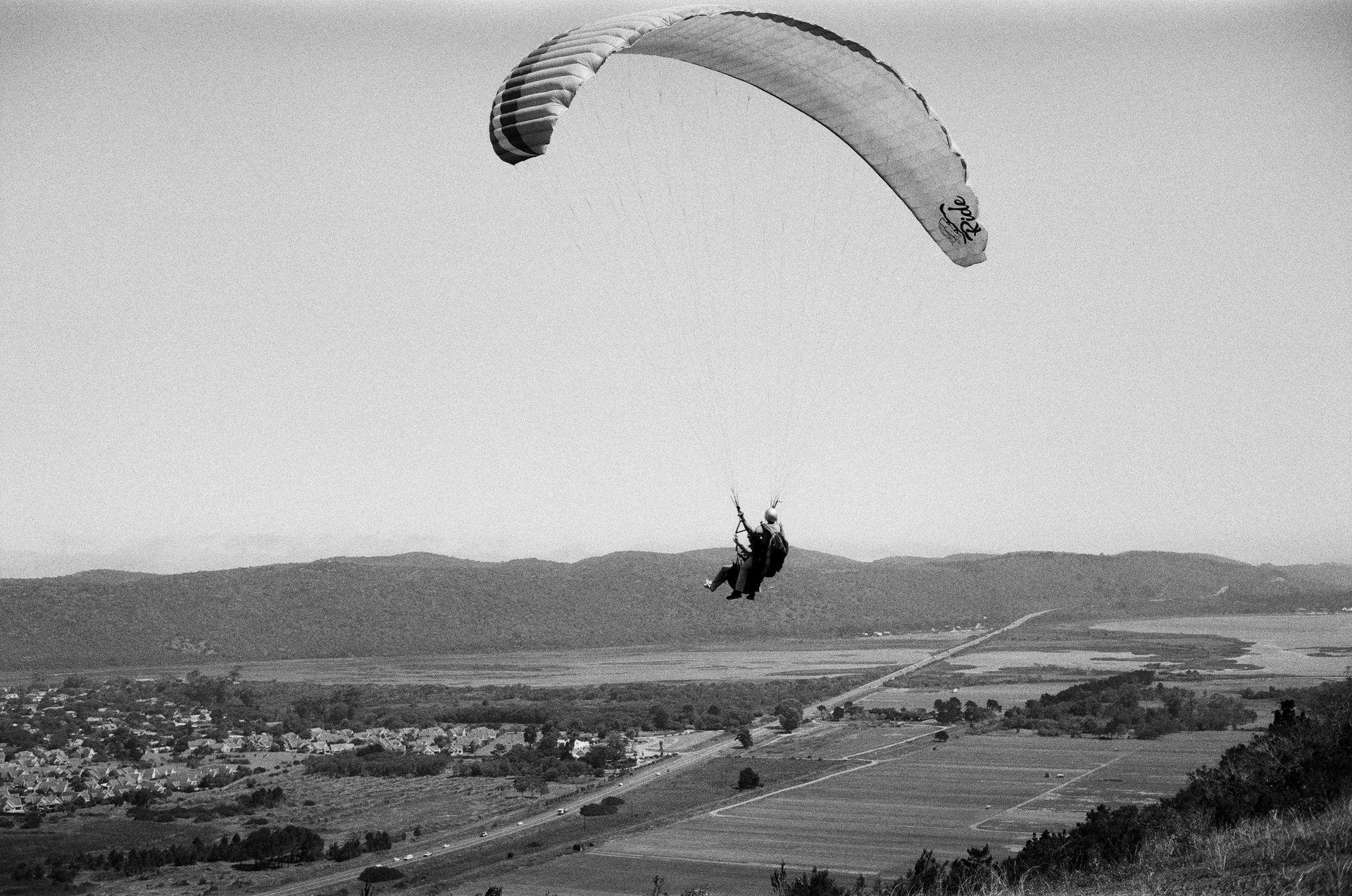
Beyond its natural beauty, Wilderness offers endless outdoor adventure. Visitors can watch dolphins and whales from Dolphin Point, hire canoes or bicycles, or enjoy abseiling, kloofing, paragliding, boating, fishing and scenic hikes.
Tsitsikamma National Park
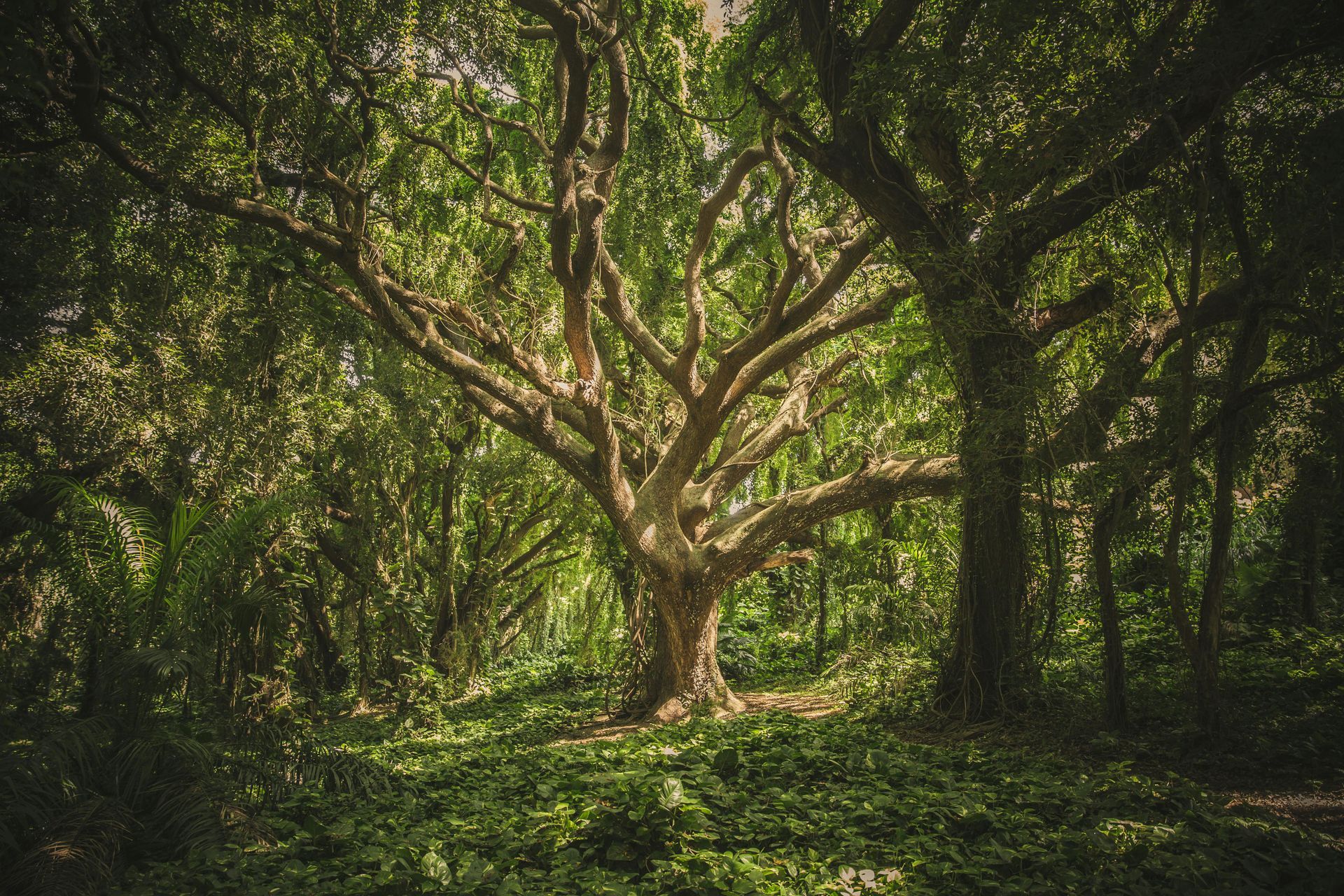
Tsitsikamma National Park stretches along
80 km of South Africa’s southern coastline, from Nature’s Valley in the west to the Groot River in the east. It was
Africa’s first marine national park and is renowned for its striking natural beauty, combining
white sandy beaches, dense forests, and fynbos.
The park’s
ancient indigenous forests are home to towering trees such as yellowwood, stinkwood, ironwood, and kamassi, while rivers have carved spectacular gorges through the coastal plateau. Tsitsikamma is also famous for its
walking trails, fishing, and diving spots, making it a haven for nature lovers and adventure seekers alike.
Oudtshoorn
Oudtshoorn, the capital of the little Karoo, is a worthwhile sightseeing visit, where Dutch Reformed Churches, synagogues and the ostentatious remains of the old Ostrich farmer's estates lie. In the year 1850, South Africa was an exporter of Ostrich feathers. A few farmers in the Oudtshoorn area had the idea of forming a company, and start breeding ostriches in nearby grassy fields, where they could live naturally. To this end, an incubator was set up and put into regular use. In 1875, the district of Oudtshoorn had a total of 2.159 Ostriches. The conditions were indeed so optimal - a warm and dry climate, good quality soil, and plenty of lucern - that there was a huge boom in the Ostrich industry, and many farmers became very wealthy. Unfortunately, the First World War put an end to the success of this industry, although there are still plenty of Ostriches to be found in the district.