Black Parrot Island
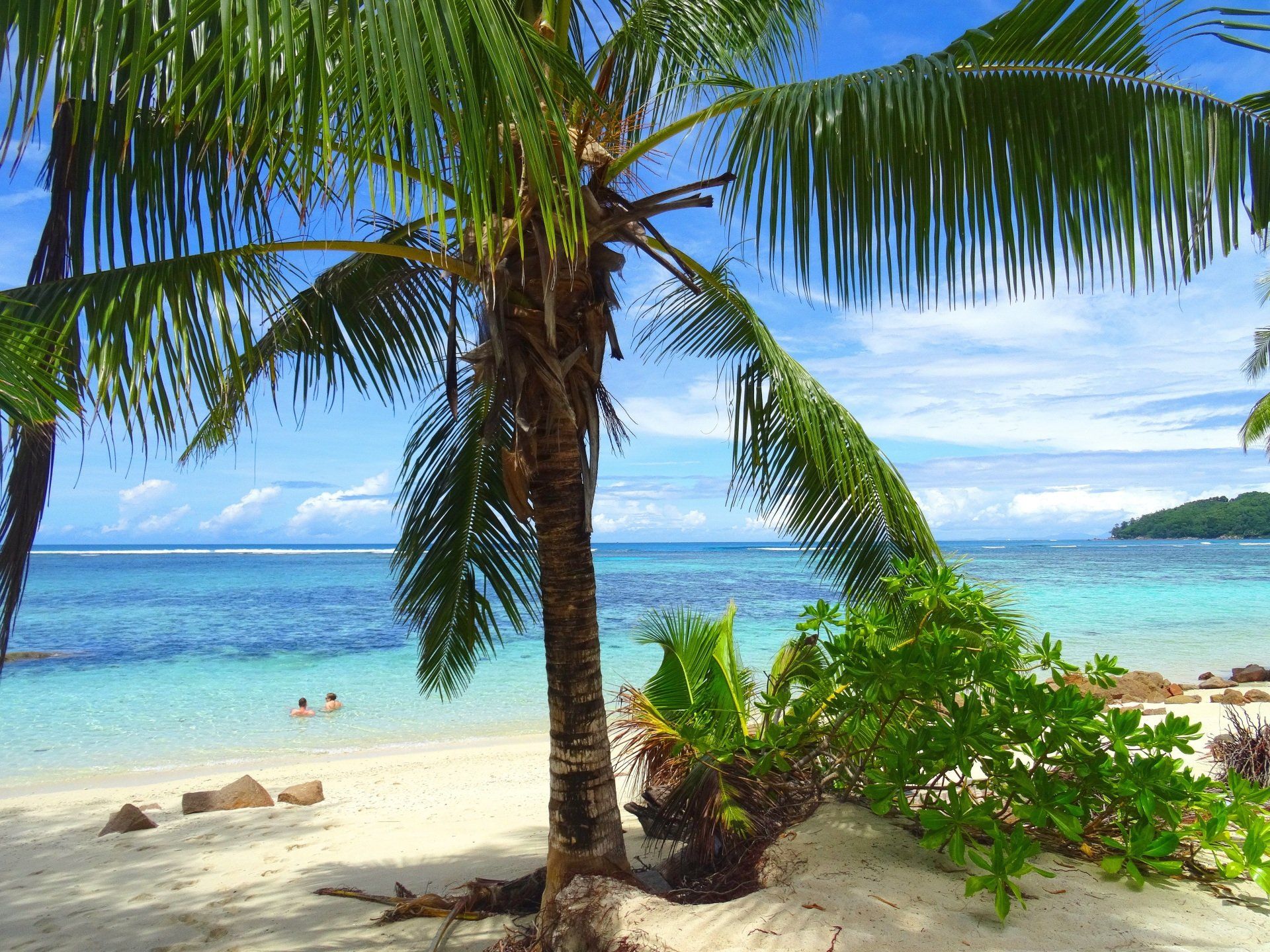
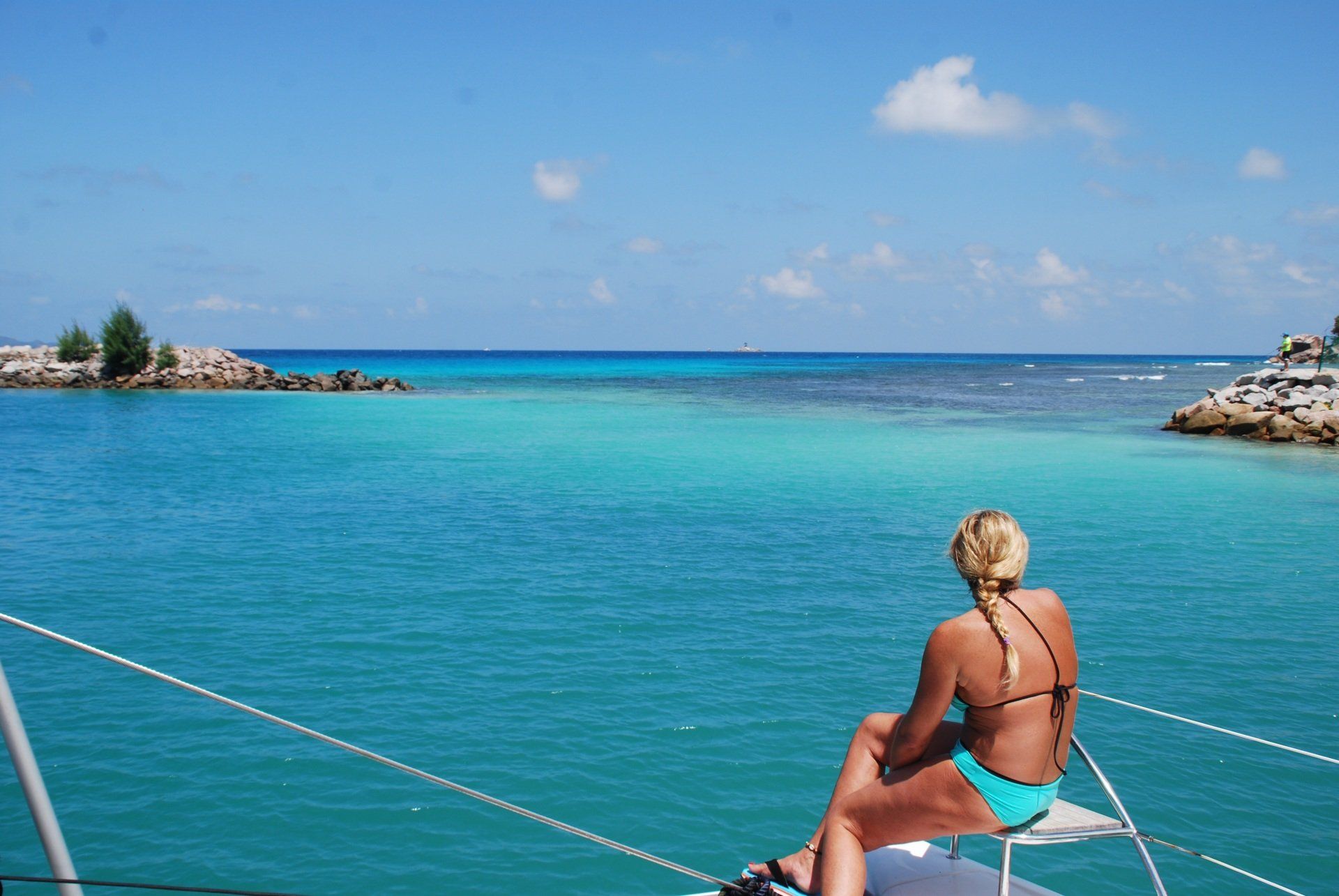
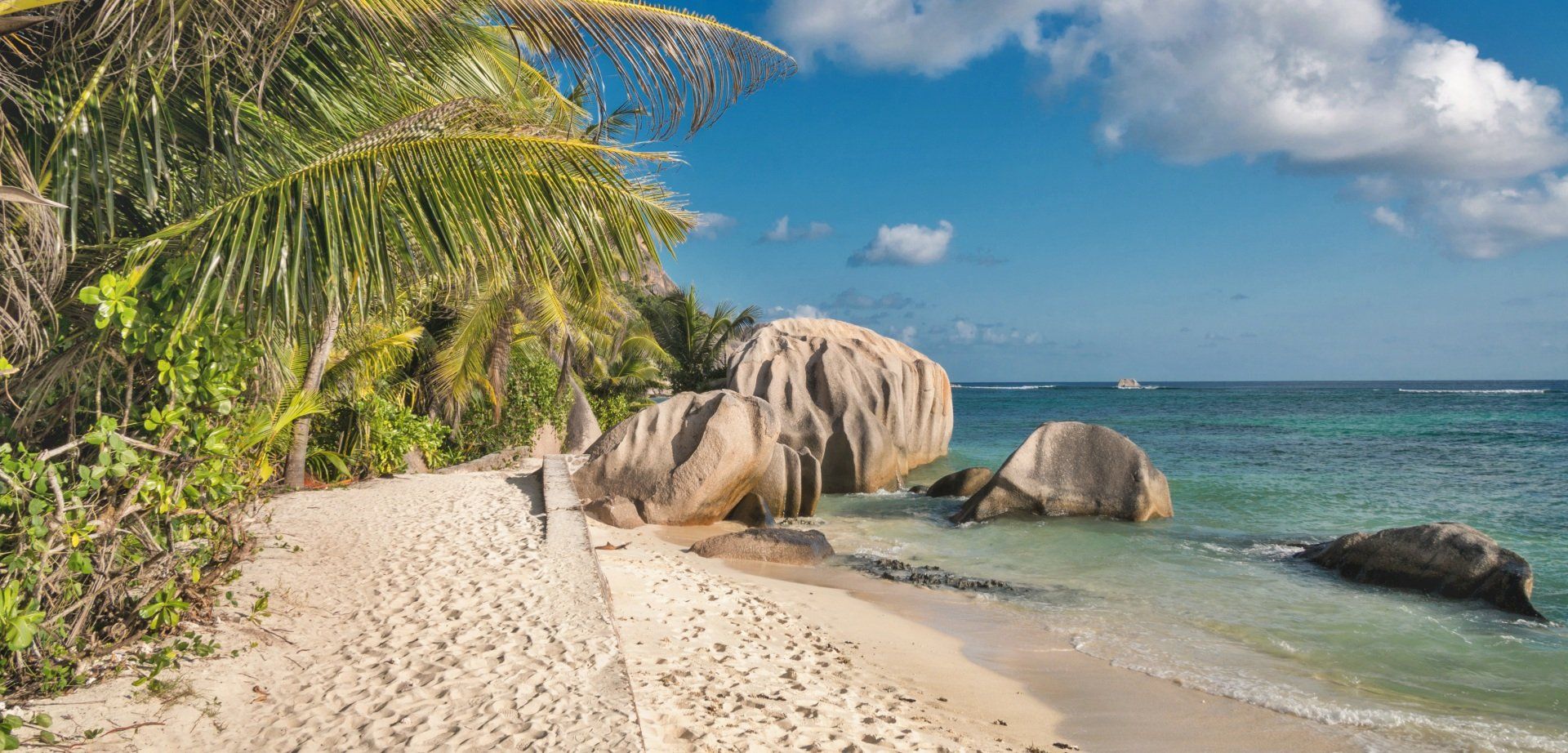
Famous to the islands is the Black Parrot, the national bird of the country and protected bird. The granitic islands of Seychelles are home to about 75 endemic plant species, with a further 25 or so species in the Aldabra group. Particularly well-known is the Coco de Mer, a species of palm that grows only on the islands of Praslin and neighbouring Curieuse. Sometimes nicknamed the “love nut” because of the shape of its fruit which, with the husk removed, presents a “double” coconut resembling buttocks, the coco-de-mer produces the world’s heaviest seed pods. The jellyfish tree is to be found in only a few locations on Mah. This strange and ancient plant in a genus of its own (Medusagynaceae) has resisted all efforts to propagate it. Other unique plant species include the Wright’s Gardenia Rothmannia annae found only on Aride Island Special Reserve.The freshwater crab genus is endemic to the granitic Seychelles, and a further 26 species of crabs and 5 species of hermit crabs live on the islands.
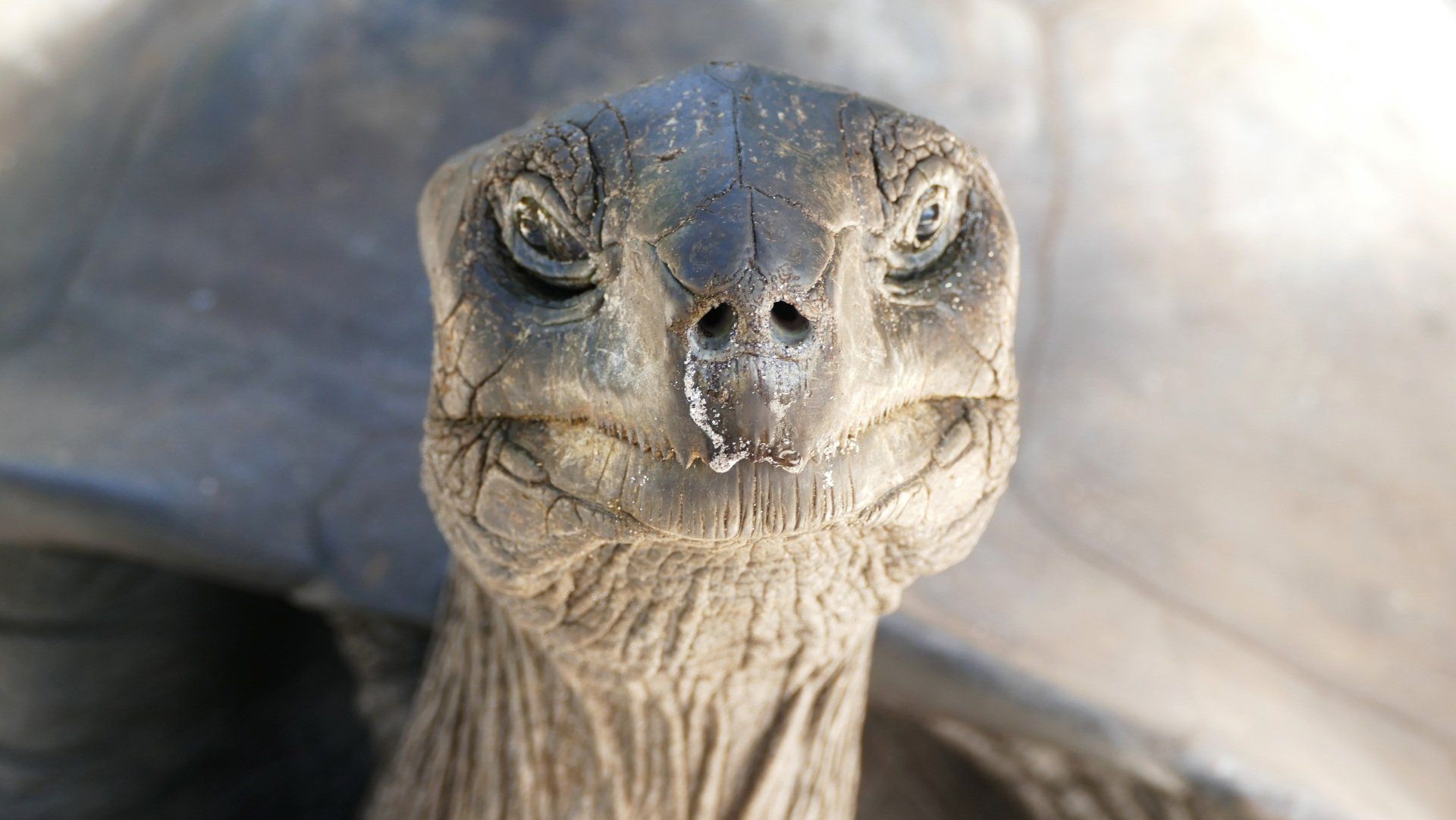
The Aldabra Giant Tortoise now populates many of the islands of the Seychelles. The Aldabra population is the largest in the world. These unique reptiles can be found even in captive herds. It has been reported that the granitic islands of Seychelles supported distinct species of Seychelles giant tortoises; the status of the different populations is currently unclear.
There are several unique varieties of orchids on the islands.
Seychelles hosts some of the largest seabird colonies in the world. In the outer islands Aldabra and Cosmoledo are home to the largest numbers. In granitic Seychelles the largest numbers are on Aride Island including the world’s largest numbers of two species.
The marine life around the islands, especially the more remote coral islands, can be spectacular. More than 1,000 species of fish have been recorded. Since the use of spearguns and dynamite for fishing was banned through efforts of local conservationists in the 1960s, the wildlife is unafraid of snorkelers and divers. Coral bleaching in 1998 has unfortunately damaged most reefs, but some reefs show healthy recovery (e.g., Silhouette Island).
The main natural resources of the Seychelles are fish, copra, cinnamon, coconuts, salt and iron.