
Etosha National Park
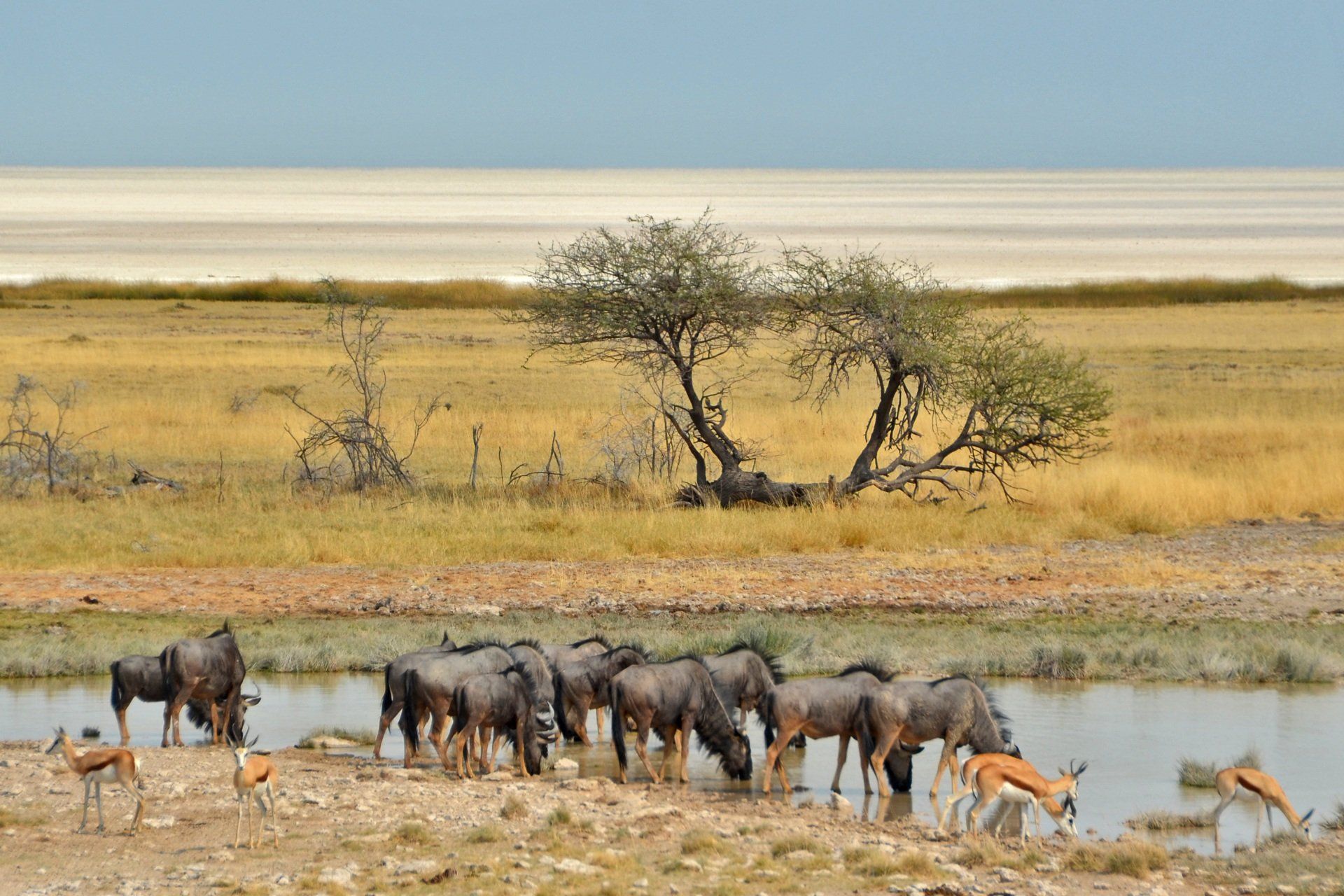
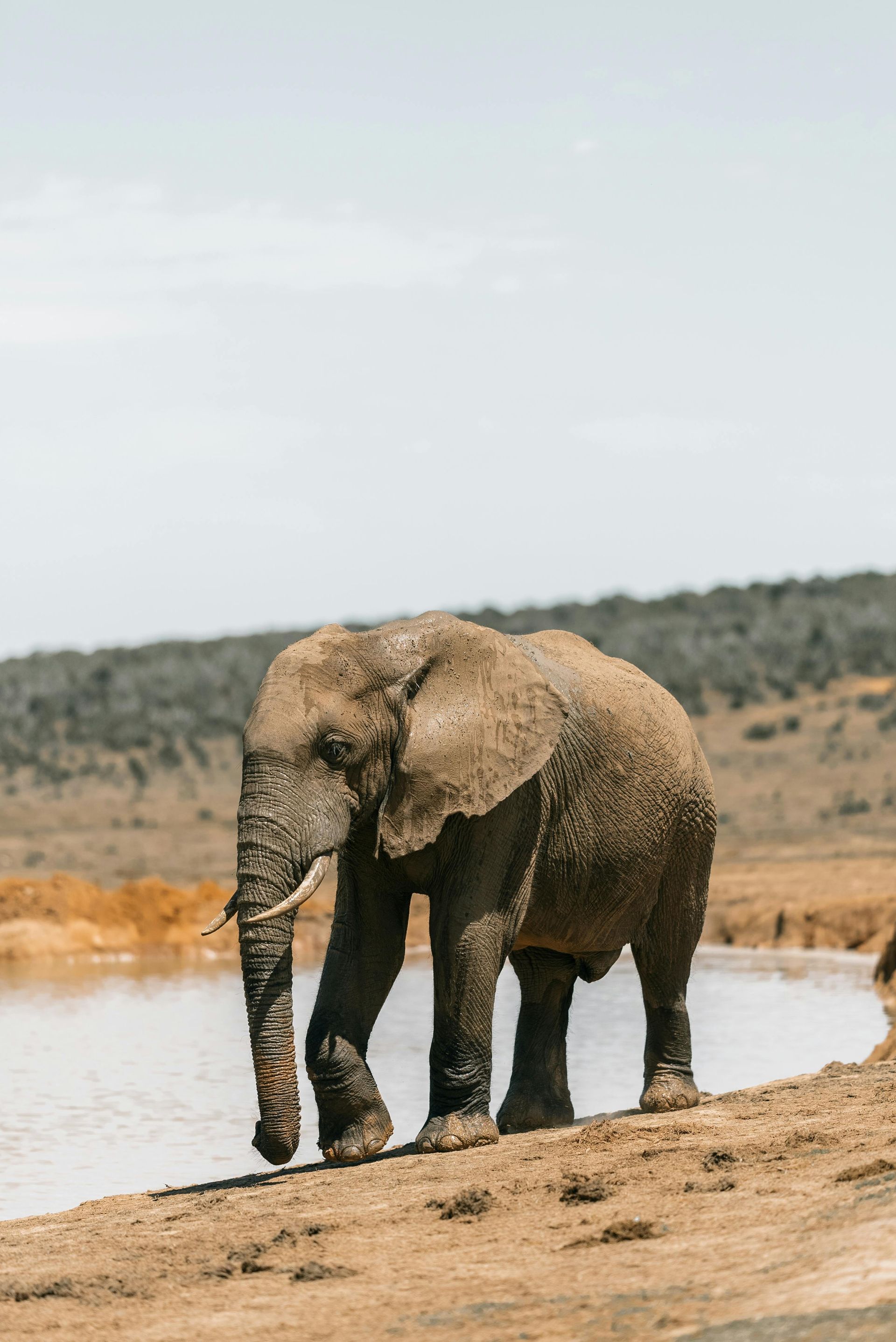
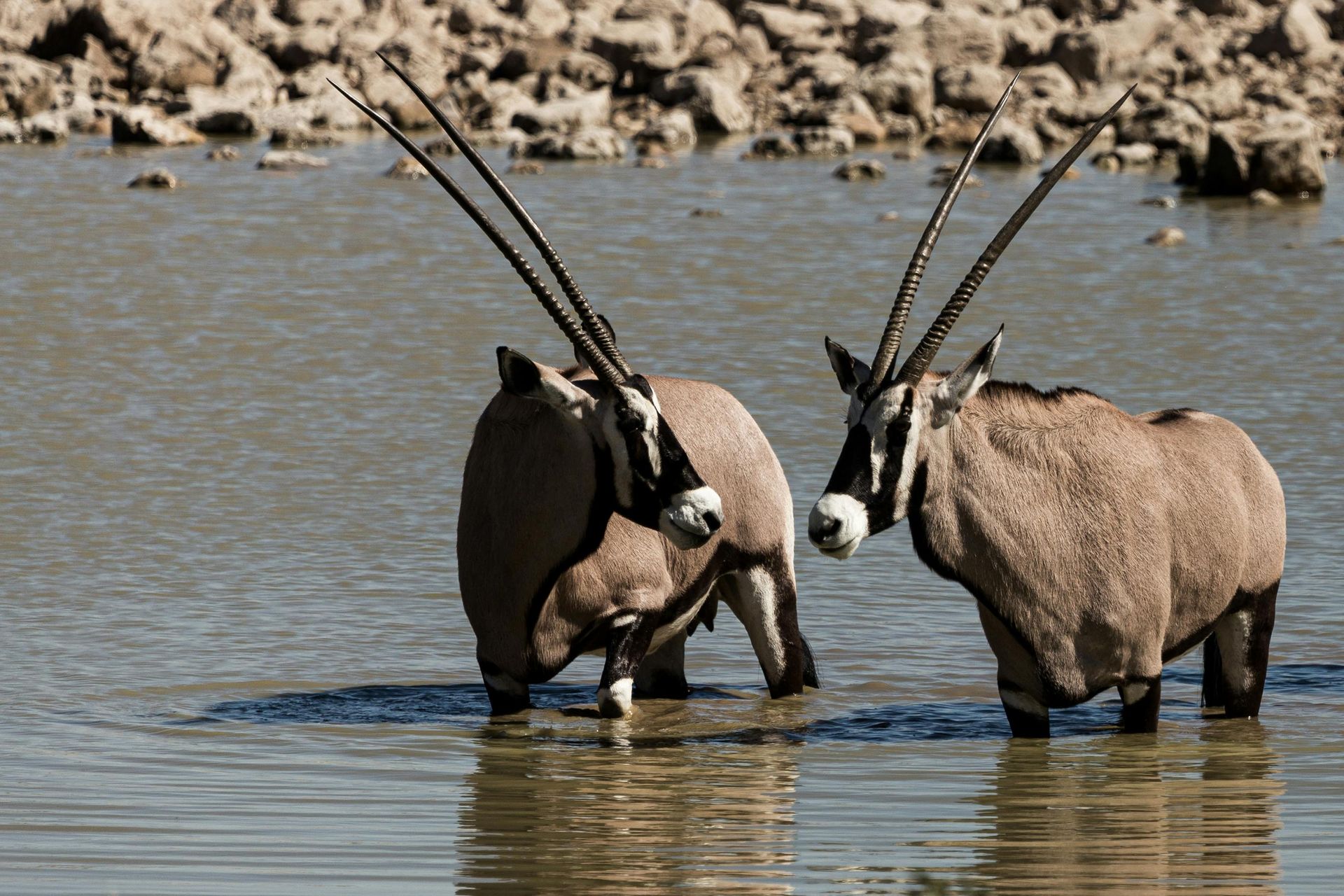
Located in northern Namibia, this national park originally covered 99,526 km², but political changes in 1967 reduced it to 22,270 km². At its heart lies a vast 6,133 km² pan—once a lake fed by the Kunene River. After the river shifted, the lake dried completely, leaving behind a mineral-rich, salty desert where nothing grows.
During the rainy season, rivers from the northwest spill into the basin, transforming parts of the pan into temporary lakes that attract thousands of birds and wildlife, though many of these areas remain inaccessible to visitors. Animal migrations follow the seasonal rhythm: herds move west during the rains to give birth, then return east to the central plains in the dry months.
The climate is harsh and varied. Summers are hot with occasional rain, contributing to an annual average of about 400 mm. March and August bring cooler days, but nights can plunge below zero.